Are you a new parent wondering when you should start using a baby walker for your little one? This question often arises as parents search for ways to support their baby’s physical development. In this article, we will discuss the ideal time to introduce a baby walker and provide some helpful tips to ensure a safe and enjoyable experience for your child. So, if you’re ready to explore the world of baby walkers, let’s get started!
Understanding Baby Walkers
Definition of a baby walker
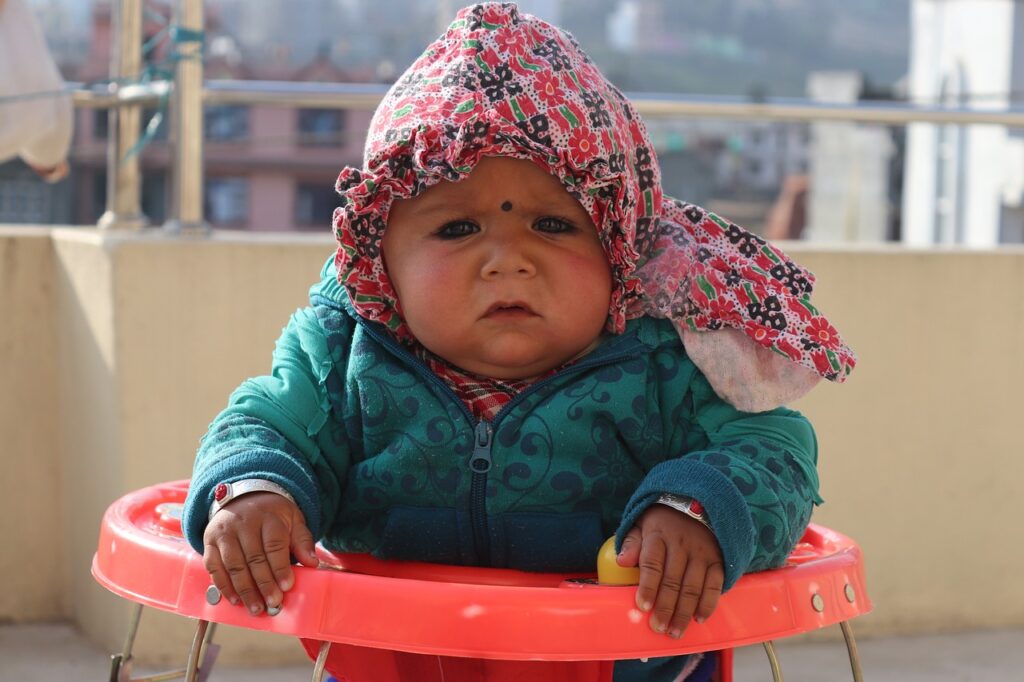
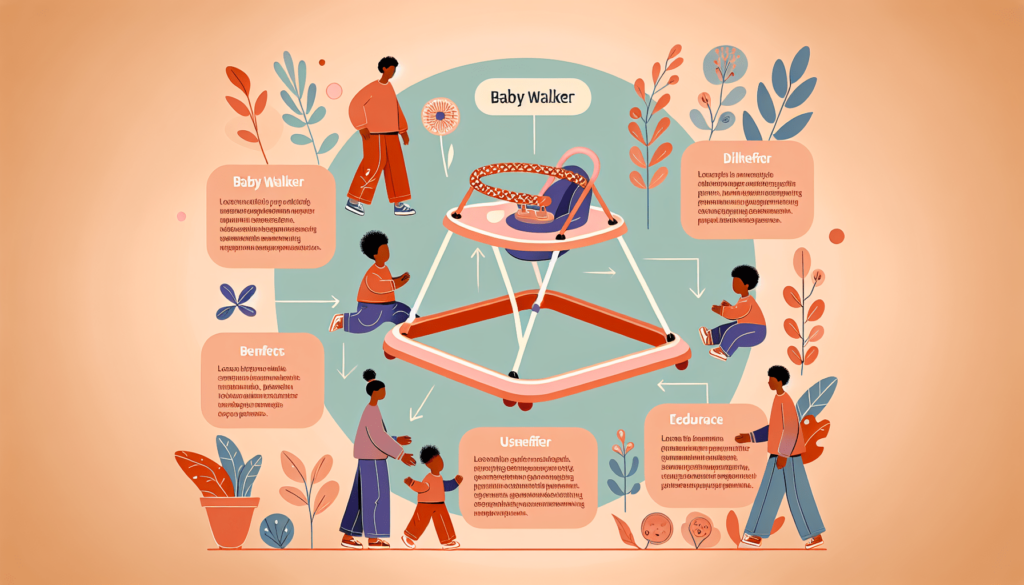
A baby walker is a device designed to assist infants in learning to walk. It typically consists of a frame with wheels, a seat in the middle, and a tray in front of the baby. The purpose of a baby walker is to provide support and stability to babies as they move around, helping them to develop their leg muscles and coordination.
Purpose and benefits of using a baby walker
The main purpose of using a baby walker is to encourage and facilitate a baby’s movement and exploration. It allows babies to experience a sense of independence and freedom while being aided in their walking efforts. Baby walkers provide a safe and secure environment for babies to practice their walking skills and build strength in their legs.
There are several benefits of using a baby walker:
- Physical development: Baby walkers can help strengthen muscles in the legs and promote coordination, which are essential for walking.
- Cognitive development: As babies move around in a walker, they also learn to navigate their environment, promoting cognitive and spatial awareness.
- Entertainment and stimulation: Baby walkers often come equipped with toys, buttons, and activities that can engage and entertain babies, stimulating their senses and curiosity.
Types of baby walkers available
There are various types of baby walkers available in the market, each offering different features and designs. Here are some common types:
- Traditional walkers: These are the classic walkers with a frame, wheels, and a seat. They often have a tray in front of the baby for playtime activities.
- Sit-to-stand walkers: These walkers are designed to help babies transition from sitting to standing and then walking. They usually have interactive components like buttons, lights, and music.
- Push walkers: These walkers have a handle for the baby to hold onto while pushing the walker forward. They provide support and stability as the baby practices walking independently.
- Stationary activity centers: These are not traditional walkers, but they still promote physical development. They usually have a seat and a range of interactive toys and activities for the baby to play with. They are stationary and do not have wheels.
Physical Development Milestones
Importance of physical development milestones
Physical development milestones are essential for an infant’s overall growth and development. Achieving these milestones indicates that the baby is progressing well and acquiring the necessary skills for future mobility and independence. Monitoring and supporting these milestones can contribute to a healthy and confident development.
Typical milestones for babies
Babies reach physical development milestones at different rates, but here are some common milestones to look out for:
- Holding head up: Around 3-4 months, babies start gaining control of their neck muscles and can hold their heads up independently.
- Rolling over: Between 4-6 months, babies usually learn to roll from their backs to their stomachs and vice versa.
- Sitting independently: By 6-8 months, most babies can sit unsupported for short periods.
- Crawling: Between 7-10 months, babies often start crawling on their hands and knees or using their own unique crawling style.
- Pulling up: Around 9-12 months, babies begin to pull themselves up to a standing position using furniture or other objects for support.
- Cruising: Between 10-12 months, babies can hold onto furniture and walk sideways while supporting themselves.
- Walking independently: Typically, babies take their first independent steps between 12-15 months, although the range of normal can vary.
How baby walkers can affect physical development
While baby walkers can provide entertainment and facilitate movement, it is important to consider their potential impact on physical development.
Excessive and prolonged use of baby walkers may hinder certain aspects of physical development. Spending too much time in a walker can limit opportunities for babies to practice crawling, which is crucial for developing strength and coordination.
Furthermore, walkers encourage babies to walk up on their tiptoes, which is not the natural way of walking. This can affect the development of proper walking patterns and may lead to muscle imbalances or delays in achieving certain milestones.
Safety Considerations
General safety recommendations
When using a baby walker, it is crucial to prioritize safety. Here are some general safety recommendations:
- Always supervise: Never leave a baby unattended in a walker. Constant supervision is necessary to ensure their safety and prevent accidents.
- Create a safe environment: Before using a walker, baby-proof the area by removing any potential hazards such as stairs, sharp objects, or hot surfaces.
- Use on a flat surface: Ensure that the baby walker is used on a flat surface to prevent tipping or toppling over.
- Limit usage time: It is recommended to limit the time spent in a walker to 15-20 minutes per session to prevent overreliance and promote other forms of physical activity.
- Avoid elevated surfaces: Do not use a baby walker on elevated surfaces like tables or countertops, as this poses a risk of falls and serious injuries.
Features to look for in a safe baby walker
When choosing a baby walker, consider the following safety features:
- Sturdy construction: Ensure that the walker is made of high-quality materials and has a stable base to prevent tipping over.
- Brake system: Look for walkers with a reliable brake system that can effectively stop the walker’s movement when needed.
- Safety straps: Choose a walker with adjustable safety straps to secure the baby in place and prevent them from falling or leaning out of the seat.
- Wide base: Opt for a walker with a wide base to enhance stability and minimize the risk of tipping or rolling over.
- Lockable wheels: Select a walker with lockable wheels so that it can be immobilized when necessary, especially around stairs or uneven surfaces.
Precautions when using a baby walker
While using a baby walker, it is important to take the following precautions to ensure the baby’s safety:
- Always keep the walker on a level surface, away from stairs or any other potential hazards.
- Check the walker regularly for any damaged parts or wear and tear. Replace or repair any faulty components immediately.
- Do not allow the baby to lean or hang on the tray of the walker, as this can cause the walker to tip over.
- Avoid using a baby walker near pools, bathtubs, or any other water bodies as it poses a drowning risk.
- Remember that the baby walker should never replace adult supervision or attention.
Age and Developmental Readiness
Recommended age to start using a baby walker
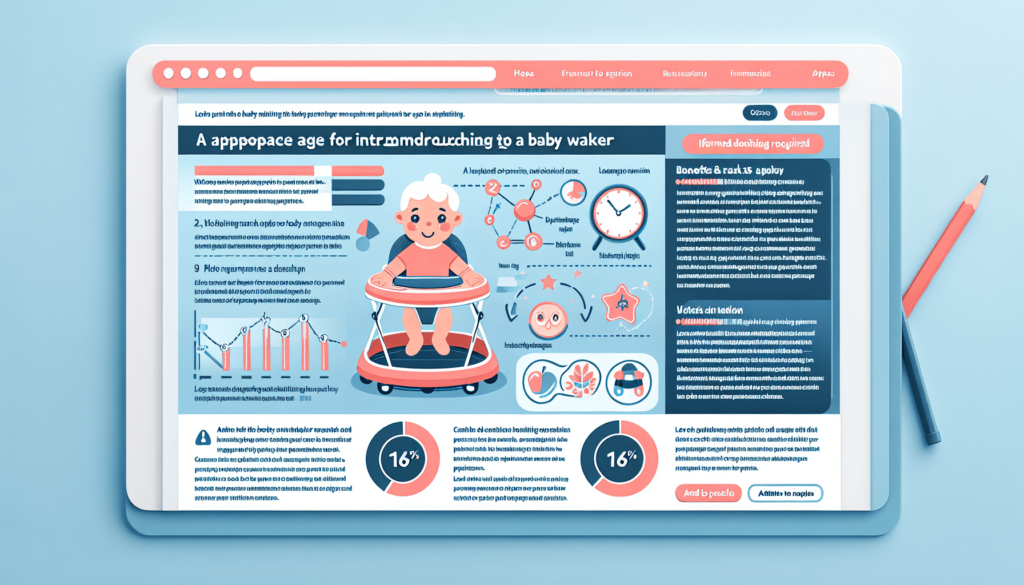
The recommended age to start using a baby walker is typically when a baby can hold their head up independently and sit well with support, usually around 4-6 months.
However, it is essential to remember that every baby develops at their own pace and has unique needs. Consulting with a pediatrician or child development expert can help determine if a baby is physically and developmentally ready for a walker.
Signs of developmental readiness
Before introducing a baby walker, look for these signs of developmental readiness:
- Good head control: The baby should be able to hold their head up steadily without support.
- Strong core muscles: The baby should have sufficient strength in their core muscles to sit upright with minimal assistance.
- Leg strength: The baby should show signs of leg strength and stability, such as kicking their legs and bearing weight when supported.
- Interest in standing: If a baby shows an inclination to pull themselves up or bears weight on their legs when held upright, it may indicate readiness for a walker.
Factors to consider before introducing a baby walker
Before introducing a baby walker, consider the following factors:
- Personal preference: Each baby is unique, and some babies may show more interest and enjoyment in using a walker, while others may not. Consider your baby’s personality and preferences.
- Lifestyle and living space: Evaluate your living space and lifestyle to determine if a walker is practical and safe in your environment.
- Cultural and societal factors: In some cultures or countries, baby walkers may not be commonly used, and other walking aids or methods may be preferred.
- Consultation with experts: Seek advice from pediatricians or child development experts to ensure that a baby walker is suitable for your baby’s specific needs.
Alternatives to Baby Walkers
Other devices for aiding walking
While baby walkers can be useful for facilitating walking, there are alternative devices that can also support a baby’s walking development:
- Push toys: Push toys with wheels and a handle can provide support and encouragement for babies to practice walking independently.
- Activity tables: These stationary tables offer a range of interactive activities for babies to play with while standing or cruising around.
- Balance bikes: Suitable for older babies, balance bikes without pedals encourage the development of balancing skills in preparation for independent walking and cycling.
- Baby jumpers: Baby jumpers can help improve leg strength and coordination by allowing babies to bounce while supported in a suspended seat.
Encouraging natural walking without a walker
Besides using aids like walkers, it is important to encourage natural walking development. Here are some ways to promote walking skills without relying solely on a baby walker:
- Tummy time: Giving babies plenty of tummy time helps them strengthen their neck, back, and core muscles, laying the foundation for crawling and walking.
- Assisted walking: Support babies in practicing walking by holding their hands or using a baby harness. This allows them to develop their balance and coordination gradually.
- Playtime on the floor: Provide a safe and stimulating environment for babies to explore and move freely. This allows them to develop their motor skills and independently practice sitting, crawling, and standing.
- Soft surfaces: Allow babies to walk on soft surfaces like carpet or grass, as it offers more stability and reduces the risk of falling.
Benefits of exploring alternatives
Exploring alternatives to baby walkers presents a range of benefits:
- Versatility: Alternative walking aids offer different experiences and opportunities for babies to develop their motor skills and coordination.
- Real-world context: Devices like push toys and activity tables mimic real-life scenarios, providing a more realistic context for babies to practice their walking skills.
- Enhanced creativity and curiosity: Without the confinement of a walker, babies have greater freedom to explore their surroundings, promoting imaginative play and cognitive development.
- Diverse sensory experiences: Using a variety of walking aids exposes babies to different textures and surfaces, stimulating their tactile senses and promoting balance.
Expert Opinions
Opinions of pediatricians and child development experts
Opinions on the use of baby walkers may vary among pediatricians and child development experts. While some professionals advise against using walkers due to safety concerns and potential developmental delays, others acknowledge their potential benefits when used appropriately and under supervision.
Different perspectives on baby walkers
Some experts express concerns about the risks associated with baby walkers, such as falls, accidents, and delays in development. They argue that unrestricted movement in walkers can prevent babies from developing their natural walking reflexes and proper muscle coordination.
On the other hand, there are experts who believe that properly supervised use of baby walkers can be beneficial for certain babies. They emphasize that moderation, appropriate usage, and adherence to safety guidelines are essential.
Research-backed advice on when to start using a baby walker
Research provides valuable insights into the decision of when to start using a baby walker. It suggests that babies who have already achieved certain physical milestones, such as sitting up and gaining head control, may benefit more from using a baby walker. However, it is essential to remember that individual factors and developmental readiness must also be considered.

The Role of Parental Supervision
Importance of constant supervision
Parental supervision is crucial when a baby is using a walker. Babies can move quickly and unexpectedly, increasing the risk of accidents and injuries. Constant supervision ensures their safety and allows parents to respond promptly to any potential dangers.
How to actively supervise baby walker usage
Active supervision involves being fully present and engaged while a baby is using a walker. Here are some tips for actively supervising baby walker usage:
- Stay within arm’s reach: Remain close to the baby to prevent falls and mishaps.
- Remove potential hazards: Regularly scan the environment to remove any hazards that the baby may encounter.
- Pay attention to the walker’s movements: Observe how the walker moves and ensure that it remains stable and balanced.
- Encourage safe exploration: Guide the baby away from dangerous areas or objects and redirect their attention to safe toys and activities.
- Limit distractions: Avoid using mobile devices or engaging in other activities that may divert attention away from the baby’s movements.
Preventing accidents and injuries
To prevent accidents and injuries while using a baby walker, follow these precautions:
- Secure the baby in the walker with the provided safety straps to prevent falls or leaning out of the seat.
- Keep the walker away from areas with stairs, pools, or other hazards that could result in falls or drowning.
- Inspect the walker regularly for any damaged or loose parts and make necessary repairs or replacements.
- Do not allow older siblings or pets to play roughly or push the baby in the walker, as this can lead to accidents or injuries.
- Be mindful of hot surfaces, sharp edges, or objects that could harm the baby within their reach.
Balancing Freedom and Safety
Finding a balance between independence and safety
As parents, finding the balance between allowing a baby to explore their independence and ensuring their safety is crucial. Baby walkers can offer a sense of freedom while providing a secure environment. However, it is important to remember that they should not be solely relied upon for a baby’s mobility development.
Encouraging supervised independent playtime on the floor, tummy time, and guided walking with support can all contribute to a well-rounded approach to physical development.
Gradually transitioning to independent walking
Baby walkers can be a stepping stone towards independent walking, but it is essential to gradually transition babies from the walker to walking without support. As babies grow and gain confidence, encourage them to practice walking without relying on the aid of a walker. This ensures that they develop natural walking patterns and strength in their legs.
Avoiding overreliance on baby walkers
It is important to avoid overreliance on baby walkers as the sole means of mobility and physical development. While they can be helpful tools, babies should have opportunities for unrestricted movement, floor exploration, and engaging in age-appropriate physical activities.
Using walkers in moderation and providing a variety of movement experiences can lead to a well-rounded physical development journey for babies.
Personal Considerations
Individual differences and preferences
Every baby is unique, and individual differences and preferences should be taken into account when deciding on the use of a walker. Some babies may enjoy using a walker, while others may not show much interest. It is important to observe and adapt to the baby’s needs and preferences.
Cultural and societal factors
Cultural and societal factors may also influence the decision to use baby walkers. In some cultures or countries, walkers may be more commonly used as a traditional aid for walking development, while in others, different walking aids or methods may be preferred. Understanding the cultural and societal norms surrounding baby walkers can help inform personal decision-making.
Considering your baby’s unique needs
When considering the use of a baby walker, it is important to consider your baby’s individual needs and development. Consulting with a pediatrician or child development expert can provide valuable guidance and ensure that the decision aligns with your baby’s unique circumstances.
Conclusion
In conclusion, baby walkers can be valuable tools for supporting a baby’s physical development and facilitating their walking journey. By providing support and stability, baby walkers offer babies a sense of independence while promoting strength and coordination in their legs.
However, it is essential to prioritize safety and be aware of the potential risks associated with baby walkers. Constant supervision, adherence to safety guidelines, and knowing when to transition to independent walking are crucial considerations.
It is important to remember that every baby is different, and their developmental readiness should be taken into account before introducing a baby walker. Seeking guidance from pediatricians or child development experts can help make informed decisions based on your baby’s specific needs.
Ultimately, finding a balance between freedom and safety is key. Exploring alternatives and providing varied movement experiences can contribute to a well-rounded approach to physical development. By actively supervising and supporting a baby’s mobility journey, parents can create a safe and nurturing environment for their little one to flourish.