

In “Newborn Baby Care: A Comprehensive Guide,” we have covered a wide range of topics to ensure that you have all the necessary information for taking care of your newborn baby. From visitors to clothing, car safety to feeding, and everything in between, we have compiled a comprehensive guide to help you navigate this exciting and precious time in your life. While visitors may be eager to meet your baby, it is essential to prioritize bonding time as a new family. We also address the importance of proper clothing to regulate your baby’s temperature and provide guidance on installing a car seat correctly for their safety. Whether you choose to breastfeed or opt for formula feeding, we offer tips and support for both options. Additionally, we provide guidance on caring for your newborn’s face, eyes, scalp, nose, and nails. With this comprehensive guide, we hope to equip you with the knowledge and confidence to care for your newborn baby with ease and joy.
Visitors
As new parents, we may be overwhelmed with the excitement of having a newborn baby and the desire of our loved ones to meet the newest addition to the family. While it’s important to share this joyous time with our family and friends, it’s equally important to prioritize bonding time for ourselves as a new family. This means setting boundaries and limits with visitors to ensure that we have ample time to rest, recover, and establish a routine with our newborn.
When it comes to visitors, we must also consider the health and well-being of our baby. Newborn babies have delicate immune systems, making them more susceptible to illnesses. Therefore, it’s crucial to ensure that visitors follow proper hygiene practices before interacting with our little one. This includes washing their hands thoroughly with soap and water or using hand sanitizer. Additionally, visitors should avoid visiting if they are feeling unwell or have been around sick individuals.
Clothing
Choosing the right clothing for our newborn is essential for their comfort and well-being. Babies have a different way of regulating their body temperature compared to adults, which is why layering becomes crucial. By layering our baby’s clothing, we can easily adjust their attire to provide them with comfort in different temperatures. It’s important to remember that our little ones may need an extra layer compared to what we might wear ourselves.
In addition to layering, selecting soft and comfortable fabrics for our baby’s clothing is important. The skin of newborns is delicate and sensitive, so opting for organic cotton or other soft materials can help prevent any discomfort or irritation. It’s also important to avoid overdressing or underdressing our baby. Overheating can be dangerous, while insufficient clothing can lead to excessive coldness.
Another aspect of dressing our newborn is keeping their head covered. While it’s not necessary at all times, covering our baby’s head with a soft, breathable hat can help regulate their body temperature and protect them from drafts.

Car Safety
Ensuring the safety of our newborn in the car is of utmost importance. Installing a car seat correctly is the first step towards securing our baby in the vehicle. It’s crucial to carefully follow the manufacturer’s instructions and use the appropriate installation method for our specific car seat model. If we are unsure about the installation process, seeking assistance from a certified professional can provide us with peace of mind.
Rear-facing car seats are the safest option for infants, as they provide optimal protection for their developing bodies. It’s recommended to keep our baby in a rear-facing car seat until they reach the maximum weight or height limit specified by the car seat manufacturer. Regularly checking the car seat for proper fit, ensuring that the harness straps are snug and positioned correctly, and adjusting the angle of the seat as our baby grows are all essential steps in maintaining car safety.
We must also be mindful of loose objects in the car. Items such as toys, bags, or other belongings can become dangerous projectiles in the event of a sudden stop or accident. Therefore, it’s important to secure any loose objects or store them in the trunk to minimize the risk of injury.

Newborn Feeding
Feeding our newborn baby is not only a nourishing act but also an opportunity for bonding and comfort. For parents who choose to breastfeed, there are various tips and techniques that can help make the process smoother. Nursing on demand, meaning feeding our baby whenever they show signs of hunger, helps establish a strong milk supply and ensures that our little one is getting enough nourishment. Learning to recognize hunger cues, such as rooting or sucking on hands, can help us respond promptly to our baby’s needs.
Getting a proper latch is crucial for successful breastfeeding. Ensuring that our baby’s mouth covers a significant portion of the areola, rather than just the nipple, can help prevent nipple soreness and enable effective milk transfer. Seeking help from lactation consultants or attending breastfeeding support groups can provide valuable guidance and support.
For parents who choose to express breast milk and feed it to their baby, it’s important to learn proper techniques for expressing and storing breast milk. Using sanitized breast pumps and storing milk in clean containers in the refrigerator or freezer can help maintain its quality and safety.
In cases where breastfeeding may not be feasible or desirable, introducing bottle feeding or supplementing with formula is another option. It’s important to choose a suitable formula that meets our baby’s nutritional needs and to follow the manufacturer’s instructions for preparation and feeding. Sterilizing bottles and nipples before each use and ensuring that our baby is comfortably positioned during feeding are crucial for their well-being.

Your Newborn’s Body
Caring for our newborn’s body involves specific practices that help ensure their health, comfort, and safety. One common aspect is caring for the umbilical cord stump. Keeping it clean and dry is essential for preventing infection. We can do this by cleaning the stump with a cotton swab dipped in rubbing alcohol or as instructed by our healthcare provider. We should also ensure that the diaper does not cover the stump to allow air circulation and promote healing.
Bathing our Newborns requires special techniques to keep them clean without overexposing them to water or temperature changes. We can start by using a baby bathtub or sink, filling it with a few inches of warm (not hot) water. Gently supporting our baby’s head and neck, we can use a soft washcloth or sponge to clean their face, body, and diaper area. It’s important to prioritize the cleanliness of specific areas, such as the folds of skin, the diaper area, and the scalp.
Handling and supporting our baby’s head is crucial, especially during the early weeks. Their neck muscles are still developing, and proper support ensures their safety and prevents unnecessary strain. By placing one hand behind the baby’s head and neck while lifting or carrying them, we can provide the necessary support and stability.
Choosing safe and gentle skincare products is essential for our baby’s delicate skin. Opting for hypoallergenic and fragrance-free options can help minimize the risk of skin reactions or irritation. It’s important to read the labels carefully and avoid products containing harsh chemicals or allergens. Regularly moisturizing our baby’s skin with a gentle lotion or oil can help keep it hydrated and prevent dryness.
Newborn Baby Sleep
Establishing a safe sleep environment for our newborn is vital for their well-being and development. It’s recommended to create a separate sleeping space for our baby, such as a crib or bassinet, to reduce the risk of sleep-related accidents. The sleep surface should be firm, with a fitted sheet and no loose bedding, pillows, or stuffed animals. A wearable blanket or sleep sack can be used for added warmth and safety.
Developing a bedtime routine can help signal to our baby that it’s time to sleep. This can include activities such as bathing, changing into comfortable sleepwear, dimming the lights, and engaging in soothing activities such as reading or singing. Consistency is key when developing a routine, as it helps our baby associate these actions with bedtime.
Understanding newborn sleep patterns can help us manage our expectations and respond appropriately to our baby’s sleep needs. Newborns have shorter sleep cycles compared to older babies and adults, often waking up every 2-3 hours for feeding. It’s important to be flexible and responsive to our baby’s sleep cues, allowing them to sleep when they are tired and providing comfort when needed.
Dealing with sleep regressions is a common challenge for parents of newborns. Sleep regressions refer to periods when our baby’s sleep pattern temporarily changes, often resulting in more frequent wake-ups or difficulty falling asleep. It’s important to remember that sleep regressions are normal and often associated with developmental milestones. Providing comfort, sticking to the established bedtime routine, and seeking support from healthcare providers or sleep consultants can help navigate these challenging periods.

Newborn Poop
Understanding what is considered normal when it comes to our newborn’s poop can provide reassurance and help identify any potential digestive issues. It’s normal for the color and texture of poop to vary in the first few weeks of life. Initially, it may be thick and sticky, transitioning to a mustard-yellow color and a looser consistency.
The frequency of bowel movements in newborns can also vary. While some babies may pass stools multiple times a day, others may have fewer bowel movements. As long as our baby’s poop appears normal in color and consistency, and they are showing no signs of discomfort or distress, we can assume that their digestive system is functioning properly.
Handling diaper changes and cleaning is an essential part of caring for our newborn’s hygiene. It’s important to have all the necessary supplies within reach before starting the diaper change. This includes clean diapers, wipes, and any additional products such as diaper rash cream or powder. Gently cleaning the diaper area with wipes, ensuring to wipe from front to back for girls, and patting the area dry before putting on a clean diaper helps prevent irritation and infection.
Signs of potential digestive issues in our newborn may include excessive fussiness, crying during or after feedings, vomiting, or changes in the color and consistency of poop. If we notice any of these signs or if we have concerns about our baby’s digestion, it’s important to consult with our healthcare provider for guidance and support.
Newborn Baby Crying
Crying is a natural way for newborns to communicate their needs and feelings. Understanding the reasons behind our baby’s crying can help us respond appropriately and provide comfort. Common reasons for newborn crying include hunger, discomfort, tiredness, a dirty diaper, or the need for physical contact and soothing.
Comforting techniques and soothing methods can provide relief for our crying baby. This can include nursing or offering a bottle, changing their diaper, swaddling them in a soft blanket, gently rocking or bouncing, singing or playing calming music, or using a pacifier. Each baby is unique, and it may take some trial and error to find the methods that work best for our little one.
Identifying signs of colic or excessive crying can be challenging for parents. Colic is defined as prolonged and intense crying, often occurring at specific times of the day and lasting for several weeks. If we suspect that our baby may be experiencing colic or if their crying seems excessive and unexplained, it’s important to seek medical advice. Our healthcare provider can help assess our baby’s symptoms, provide guidance, and rule out any underlying medical conditions.
Knowing when to seek medical advice is crucial to ensure our baby’s health and well-being. If our baby’s crying is accompanied by other symptoms such as fever, difficulty breathing, changes in appetite, or signs of illness, it’s important to contact our healthcare provider promptly. They can assess our baby’s condition and provide appropriate care or referrals if needed.
Fevers
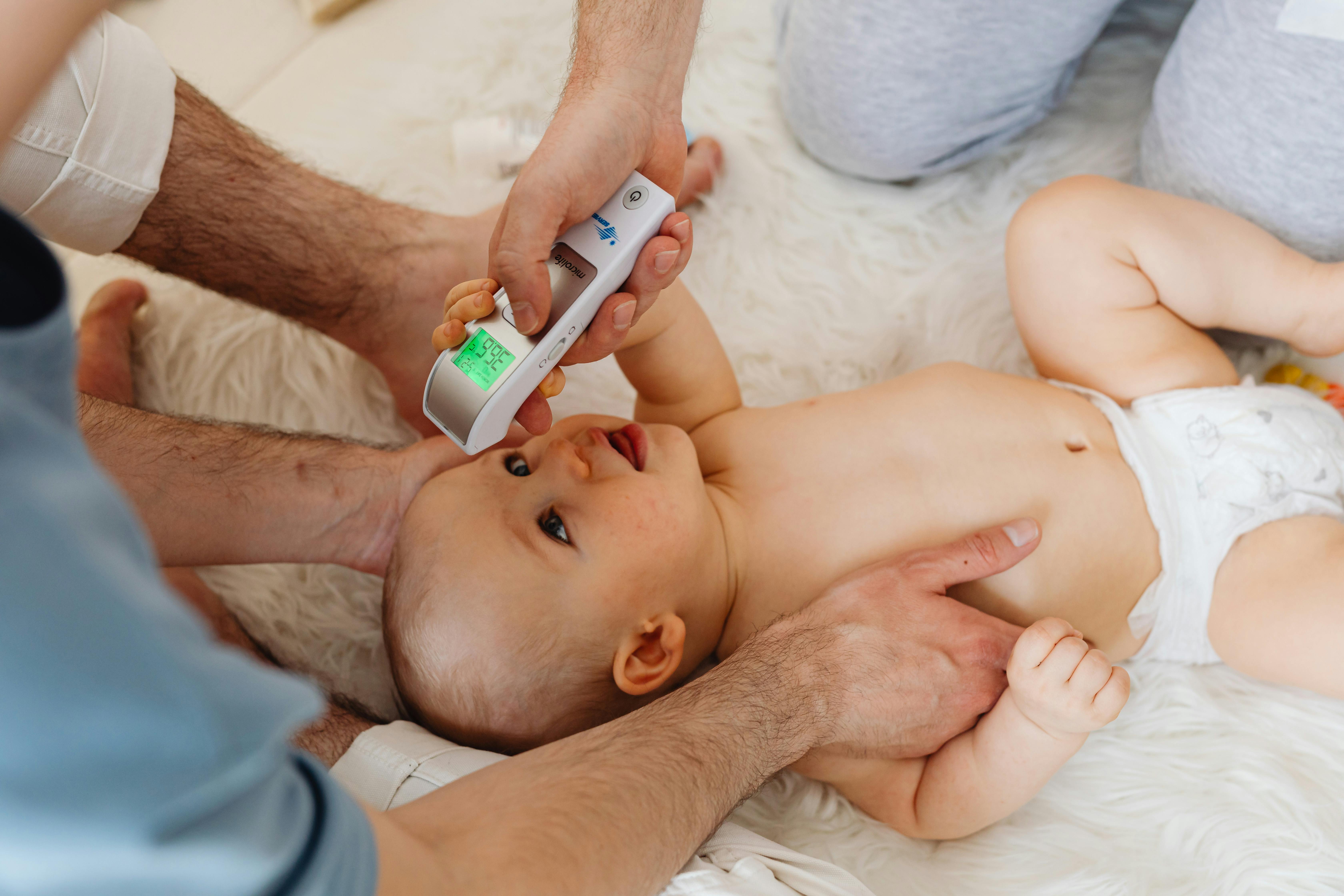
Recognizing signs of fever in our newborn is important for their health and safety. While a rectal temperature reading is considered the most accurate method for newborns, using an ear or forehead thermometer can also provide valuable information. It’s important to follow the manufacturer’s instructions and consult with our healthcare provider to ensure accurate temperature readings.
Contacting a healthcare provider for guidance when our baby has a fever is crucial. Fever in newborns can be a sign of an underlying infection, and prompt medical evaluation and treatment are necessary. Our healthcare provider can assess our baby’s symptoms, provide appropriate recommendations and instructions, and guide us on managing fever and discomfort.
Managing fever and discomfort in babies involves a combination of strategies to alleviate their symptoms and promote healing. This can include providing appropriate medication as recommended by our healthcare provider, keeping our baby hydrated, ensuring a comfortable and cool environment, using lightweight and breathable clothing, and engaging in soothing activities such as gentle rocking or cuddling. It’s important to closely monitor our baby’s temperature and symptoms and to follow up with our healthcare provider as advised.
Newborn Nail Care
Taking care of our newborn’s nails is essential to prevent scratching and potential injury. Their nails can grow quickly and become sharp, so regular trimming and filing are necessary. Using baby nail clippers or scissors with rounded tips can help prevent accidental cuts. It’s important to have good lighting and to be cautious while trimming to avoid hurting our baby’s delicate fingers. If we are unsure about nail care or feel uncomfortable doing it ourselves, seeking assistance from a healthcare professional or experienced caregiver can be helpful.
To further ensure our baby’s safety, we can consider using mittens or nail covers. Mittens can be worn on our baby’s hands to prevent them from accidentally scratching their face or body. Nail covers, which are small protective covers that fit over the nails, can provide an extra layer of safety during the early weeks when our baby’s nails are too soft to be trimmed.
Regularly keeping our baby’s nails short is important to prevent scratching, especially during sleep or breastfeeding. It’s recommended to check their nails once or twice a week and trim or file them as needed. By incorporating nail care into our baby’s routine, we can help keep their nails well-maintained and their little fingers safe.

In Conclusion
By following these guidelines and taking proper care of our newborn baby, we can ensure their health, safety, and overall well-being. Remember, every baby is unique, and it’s important to trust our instincts as parents and seek support from healthcare professionals when needed. The journey of caring for our newborn is full of joy, challenges, and learning experiences, and with love and patience, we can navigate this precious time together.
