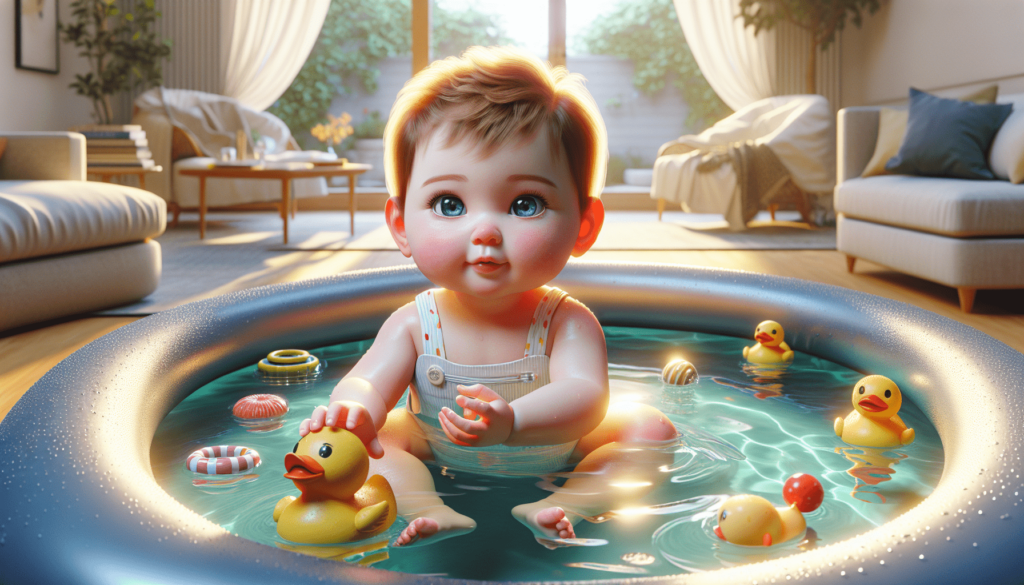
Are you a parent wondering when the right time is to introduce your little one to the wonders of swimming? Look no further! In this article, we will explore the ideal age to start your baby’s swimming journey and why it is beneficial for their development. From water safety to water confidence, we will cover all the essential information you need to know to ensure a positive and enjoyable experience for both you and your baby. So, let’s dive right in and discover the perfect time to dip those tiny toes into the refreshing world of swimming!

Benefits of Baby Swimming
Physical Development
Introducing your baby to swimming at an early age can greatly contribute to their physical development. In the water, babies have the opportunity to strengthen their muscles and improve their coordination. The resistance of the water provides a gentle yet effective way for babies to work on their balance and motor skills. Regular swimming sessions can help develop their core strength, improve their flexibility, and enhance their overall physical abilities.
Water Safety
One of the most important benefits of baby swimming is water safety. By introducing your baby to swimming from an early age, you can familiarize them with the water and teach them essential water safety skills. Babies who are comfortable in the water are less likely to panic in emergency situations, which can be crucial for their safety. Furthermore, learning basic water safety practices such as floating and kicking can reduce the risk of accidental drowning.
Bonding and Social Interaction
Swimming with your baby provides a unique opportunity for bonding and social interaction. The intimate and playful nature of swimming allows you to strengthen the bond with your little one. The close physical contact in the water promotes a sense of security and trust between you and your baby. Additionally, swimming classes or playdates with other babies can provide valuable social interaction for your little one, fostering their social and emotional development.
Considerations for Introducing Baby to Swimming
Age
When determining the right time to introduce your baby to swimming, age is an important factor to consider. While there is no set age for when to start, most experts recommend waiting until your baby is at least six months old. At this age, babies have better head and neck control, which makes them more comfortable in the water. However, it is crucial to consult with your pediatrician before starting any swimming activities with your baby.
Health and Developmental Factors
Before introducing your baby to swimming, it is essential to consider their health and developmental factors. Babies with certain health conditions or medical concerns may need special considerations or clearance from their healthcare provider. Additionally, it’s important to assess your baby’s physical and developmental readiness for swimming. Factors such as their motor skills, coordination, and overall health should be taken into account.
Parental Comfort and Confidence
While the benefits of baby swimming are clear, it’s equally important to consider your own comfort and confidence in the water. If you feel anxious or uncomfortable, it may affect your baby’s experience and hinder their enjoyment of swimming. If you are not a confident swimmer yourself, consider enrolling in adult swimming classes or seeking support from a swim instructor who specializes in working with parents and babies.
6-12 Months: Introduction to Water
Water Orientation
During the initial stages of introducing your baby to swimming, the focus is on water orientation. This involves gradually getting your baby accustomed to the water and building their confidence. Start with short dips in shallow water, supporting your baby’s head and body. Gradually immerse them in the water up to their shoulders while maintaining close physical contact.
Parent-Assisted Activities
At this age, parent-assisted activities play a crucial role in the baby’s swimming journey. These activities help your baby feel secure and develop a positive association with the water. Activities such as gentle splashing, blowing bubbles, and singing songs can make the swimming experience enjoyable and engaging for your little one.
Introduction to Basic Water Skills
As your baby becomes more comfortable in the water, you can start introducing basic water skills. Supported floating, kicking, and reaching for toys can be exciting activities to build your baby’s water skills. Remember to always provide constant supervision and support during these activities to ensure the safety and comfort of your baby.
1-2 Years: Expanding Water Skills
Water Play and Exploration
As your baby grows and becomes more independent, water play and exploration become key components of their swimming experience. Encourage your little one to play with water toys, splash around, and explore the different sensations the water offers. This stage is all about creating a positive and fun association with swimming while allowing your baby to develop their own preferences and style in the water.
Introduction to Floating and Kicking
During this phase, your baby can start learning fundamental swimming techniques such as floating and kicking. Assist your baby in floating on their back while supporting their head and back. Encourage them to perform gentle leg kicks to propel themselves through the water. These activities not only strengthen their muscles but also serve as the building blocks for future swimming skills.
Water Safety Practices
Alongside expanding water skills, it’s crucial to continue reinforcing water safety practices. Teach your baby basic safety rules such as not diving into the water, staying close to an adult, and always listening to your instructions. By instilling these practices early on, you lay the foundation for a lifetime of safe swimming habits.

2-3 Years: Building Confidence and Independence
Swimming with Support
As your baby enters the toddler years, swimming with support allows them to gain confidence and build their swimming skills. Holding on to a kickboard or using flotation devices can provide the necessary support for your toddler to practice swimming independently. Gradually decrease your assistance while encouraging your little one to kick and paddle on their own.
Basic Swimming Techniques
At this stage, your toddler is ready to learn basic swimming techniques. Introduce arm movements, such as the doggy paddle or the breaststroke, to help them navigate through the water. Teach them to use their arms and legs in a coordinated manner to achieve propulsion and maintain buoyancy. Practicing these basic techniques will enhance their swimming abilities and promote their overall physical development.
Water Safety and Self-Rescue
In addition to developing swimming techniques, water safety and self-rescue skills become even more crucial as your toddler grows. Introduce concepts such as water depth awareness, reaching the edge of the pool, and climbing out of the water independently. Enroll your child in water safety courses or programs that focus on teaching important skills like floating, treading water, and basic rescue techniques. These skills are essential for your toddler’s safety and can potentially save their life in case of an emergency.
Choosing the Right Swimming Environment
Swimming Pools
Swimming pools are a popular choice for baby swimming due to their controlled environment and facilities tailored to children’s needs. Public and private pools often offer designated areas for babies and toddlers, ensuring a safe and enjoyable experience. When choosing a swimming pool, look for one that adheres to strict hygiene standards and provides adequate supervision to minimize any potential risks.
Swim Centers
Swim centers offer specialized programs and classes designed specifically for babies and young children. These centers have experienced instructors who are trained to work with babies and create a nurturing environment for their swimming journey. Swim centers often have heated pools and provide additional amenities such as changing rooms and play areas, making them a convenient choice for parents.
Natural Bodies of Water
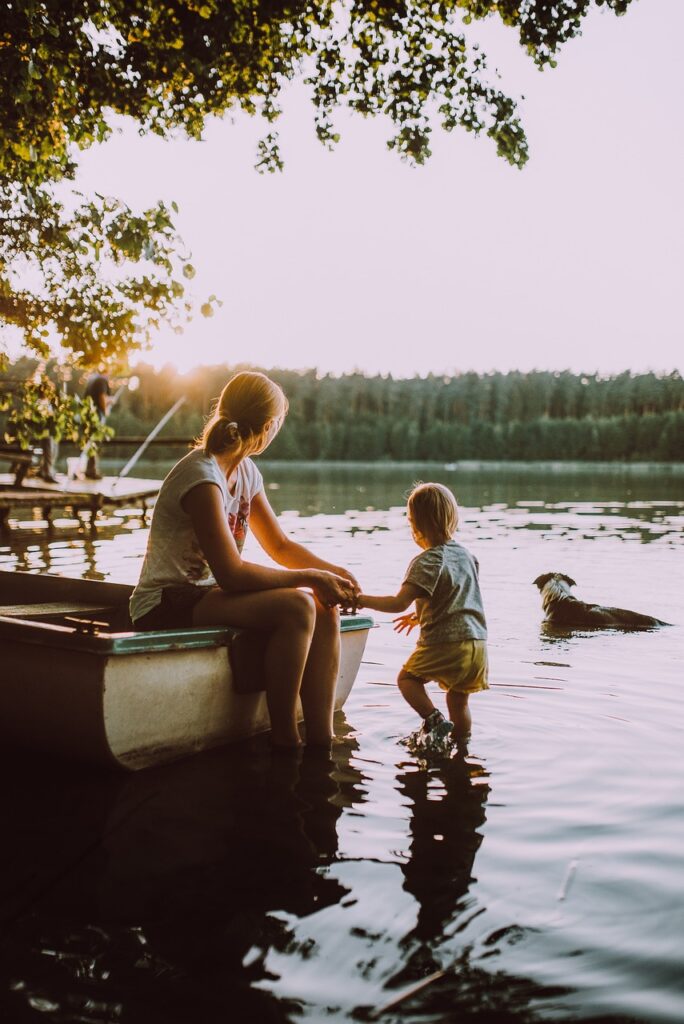
Swimming in natural bodies of water, such as lakes or beaches, can provide a unique and enriching experience for babies. However, it’s essential to approach natural water environments with caution and take additional safety measures. Be mindful of water currents, temperature, and potential hazards. Always choose calm and shallow areas and ensure your baby is wearing appropriate flotation devices approved for open water swimming.
Indoor vs Outdoor
When choosing between indoor and outdoor swimming environments, consider factors such as weather conditions and the preferences of your baby. Indoor pools provide a consistent water temperature and protection from external elements such as sunlight and wind. Outdoor pools, on the other hand, offer natural sunlight and fresh air, which can be beneficial for your baby’s overall well-being. The choice ultimately depends on what suits your baby and your family’s needs best.
Seeking Professional Guidance
Swim Instructors
Enrolling your baby in swimming classes led by experienced swim instructors can be invaluable in their swimming journey. Qualified instructors have the necessary knowledge and expertise to guide you and your baby through each stage of learning to swim. They can provide personalized instruction, ensure proper techniques, and create a safe and supportive environment for your baby’s swimming development.
Baby Swim Programs
Baby swim programs are specifically designed to cater to babies and their developmental needs. These programs often incorporate various activities and techniques to enhance your baby’s water skills while prioritizing their safety and enjoyment. Look for programs that have certified instructors, positive reviews, and a curriculum that aligns with your baby’s age and abilities.
Water Safety Courses
In addition to swimming classes, it is highly recommended to enroll in water safety courses or attend workshops specifically tailored to parents. These courses provide invaluable knowledge on water safety practices, CPR (Cardiopulmonary Resuscitation), first aid techniques, and how to respond in emergency situations. Equipping yourself with these skills will not only ensure your baby’s safety but also give you peace of mind during swimming activities.
Preparing for Baby Swimming
Gathering Essential Swimming Gear
Before venturing into the world of baby swimming, gather essential swimming gear to ensure a comfortable and safe experience for your little one. Some must-have items include swim diapers, swimwear, a sun hat, and UV-protective swimwear. Depending on the swimming environment, you may also need flotation devices, such as swim vests or arm bands, to support your baby in the water.
Choosing Swim Diapers
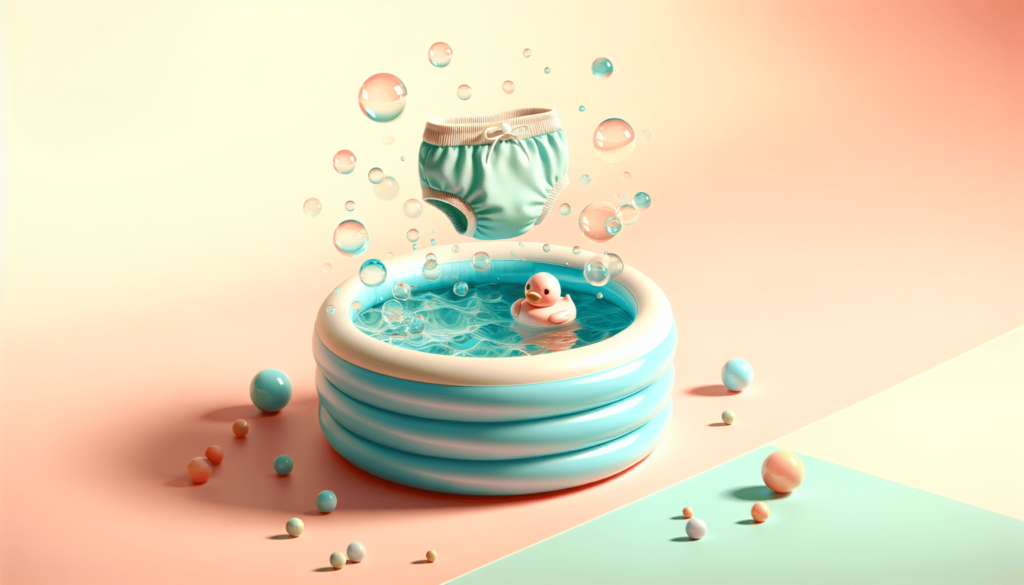
Swim diapers are a necessity when it comes to baby swimming. Unlike regular diapers, swim diapers are specially designed to contain solid waste while allowing water to pass through. They come in reusable and disposable options, depending on your preference. When choosing swim diapers, ensure they fit snugly and comfortably to prevent any leaks or discomfort for your baby.
Ensuring Proper Temperature and Hygiene
Maintaining the right water temperature is crucial for your baby’s comfort and safety during swimming sessions. The water temperature should be around 85°F (29.5°C) for babies and young children. Additionally, pay attention to hygiene practices to minimize the risk of infections. Ensure that the swimming environment, including the pool, changing rooms, and equipment, is clean and properly maintained.
Managing Expectations and Patience
Each Baby is Different
It’s important to remember that each baby progresses at their own pace in the swimming journey. Some babies may take to the water naturally and quickly develop their skills, while others may take more time to adapt and feel comfortable. Avoid comparing your baby’s progress to others and focus on celebrating their achievements, no matter how small. Encourage and support them, keeping in mind that each baby is unique and will progress in their own time.
Start Slow and Progress Gradually
When introducing your baby to swimming, it’s crucial to start slow and progress gradually. Begin with short swimming sessions, gradually increasing the duration and intensity as your baby becomes more comfortable. This allows them to build their confidence and develop their skills at their own pace. Avoid overwhelming them with long or intense swim sessions that may lead to fatigue or discomfort.
Focus on Enjoyment and Bonding
The primary goal of baby swimming is to create a positive and enjoyable experience for both you and your baby. Focus on fostering a strong bond, making precious memories, and having fun in the water. Incorporate games, songs, and activities that your baby enjoys, as this will help them associate swimming with happiness and enjoyment. The more you can make swimming a pleasurable experience, the more your baby will develop a love for the water.
Water Safety Tips for Baby Swimming
Constant Supervision
Regardless of your baby’s swimming abilities, constant supervision is paramount during baby swimming sessions. Never leave your baby unattended in or near the water, even for a few seconds. Designate a responsible adult solely focused on watching the baby, and ensure they have the necessary swimming and safety skills to respond quickly in case of an emergency.
Swimming in Designated Baby Areas
When taking your baby swimming, choose designated baby areas whenever possible. These areas are specifically designed and monitored to ensure a safe environment for babies and young children. Baby areas often have shallow water, soft surfaces, and gentle entry points, minimizing risks and allowing for a more enjoyable experience for both you and your baby.
Gradual Water Introductions
When introducing your baby to new water environments, it’s important to do so gradually. Start with shallow water, such as a baby pool or a shallow section of a swimming pool, and gradually introduce deeper water as your baby becomes more comfortable and confident. Gradual introductions help your baby adjust to the changing sensations and minimize any feelings of fear or discomfort.
Learning CPR and First Aid
As a parent, it is highly recommended to learn CPR and first aid techniques specific to babies and young children. Accidents can happen even in the most controlled swimming environments, and knowing how to respond quickly and effectively can make a significant difference in an emergency situation. Enroll in a certified CPR and first aid course that focuses on infants and young children, and ensure your skills are up to date.
In conclusion, introducing your baby to swimming at an early age offers numerous benefits, including physical development, water safety skills, and bonding opportunities. However, it is essential to consider factors such as age, health, and parental comfort before starting baby swimming activities. By following a gradual progression plan and seeking professional guidance, you can create a safe and enjoyable swimming experience for your baby. Remember to prioritize water safety, manage your expectations, and focus on building a strong bond with your little one. Happy swimming!