
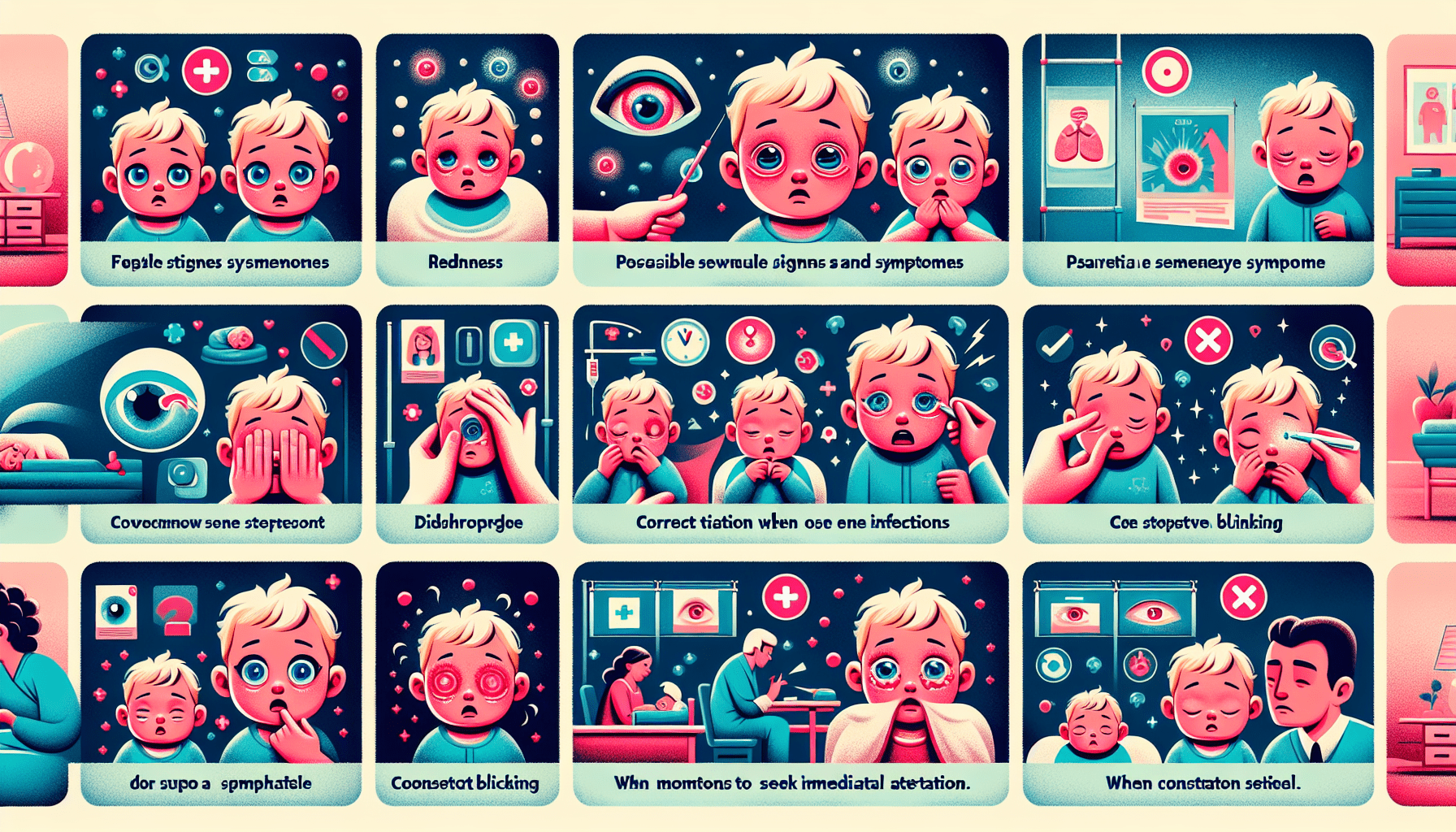
Have you ever found yourself worrying about your baby’s eye health? It’s only natural to be concerned when it comes to the well-being of your little one. As a parent, it’s important to be aware of the signs and symptoms that may indicate an eye infection. From redness and swelling to discharge and excessive tearing, there are several clues you can look out for. In this article, we will explore the common indicators of an eye infection in babies, as well as provide some tips on how to properly care for and treat their delicate eyes. So, keep reading to ensure you have the knowledge to identify and address any potential issues early on.
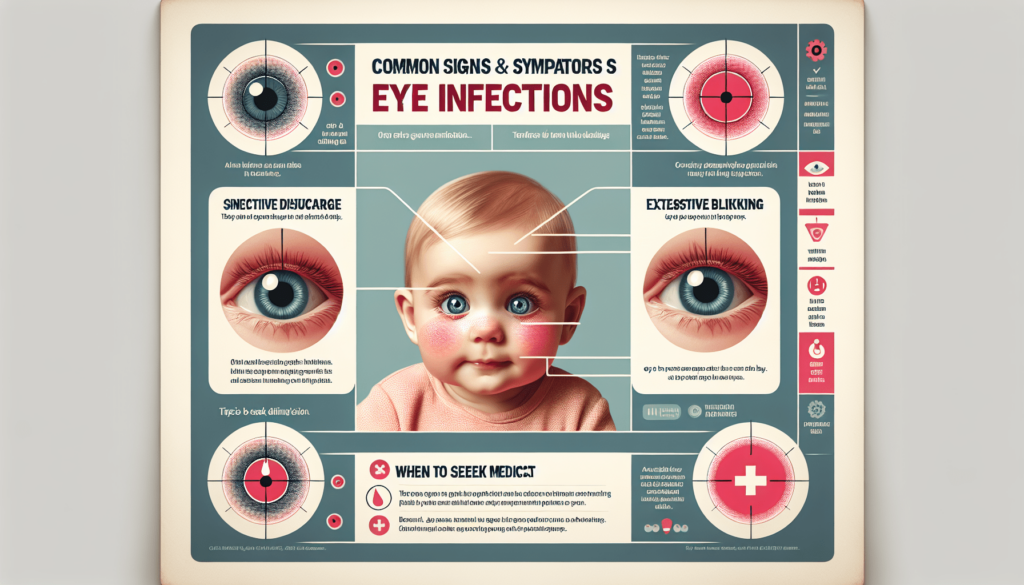
Signs and Symptoms
When it comes to identifying if your baby has an eye infection, there are several signs and symptoms to look out for. These indicators can help you determine if it’s time to seek medical attention for your little one’s eyes.
Redness
One common sign of an eye infection is redness in the eye. If you notice that your baby’s eye appears pink or bloodshot, it could be a sign of infection. Redness may be accompanied by other symptoms, such as discharge or swelling.
Discharge
Another noticeable symptom of an eye infection is discharge from the eye. This discharge might range in consistency, from watery to thick and sticky. It may also vary in color, appearing yellow or green. If you observe any discharge coming from your baby’s eye, it’s important to take it seriously and consult a healthcare professional.
Excessive Tearing
Excessive tearing is another common symptom of an eye infection in babies. If you notice your baby’s eye constantly tearing and becoming moist, it could be an indication of an infection. Excessive tearing might also be accompanied by redness or discharge.
Swelling
Swelling around the eye area is another symptom to watch out for. If you notice any puffiness or swelling around your baby’s eye, it could be a sign of an infection. Swelling is often accompanied by other symptoms, such as redness or discharge.
Crustiness
If you notice any crustiness or dried-up matter around your baby’s eye, it could be a sign of an eye infection. Crusting can occur due to the discharge drying up and sticking around the eye area. It’s important to keep an eye out for this symptom, as it may indicate an underlying infection.
Sensitivity to Light
Babies with eye infections may also exhibit sensitivity to light, also known as photophobia. If your baby seems to be uncomfortable in bright light and consistently squints or turns away from it, it could be a sign of an infection. Sensitivity to light is often accompanied by other symptoms, such as redness or excessive tearing.
Causes
Understanding the causes of eye infections in babies can help you take necessary preventive measures and seek appropriate treatment.
Bacterial Infection
Bacterial infections are a common cause of eye infections in babies. These infections can occur when bacteria enter the eye through various means, such as dirty hands or contaminated objects. Bacterial eye infections often present with symptoms like redness, discharge, and swelling.
Viral Infection
Viral eye infections, such as conjunctivitis, are also a frequent cause of eye infections in babies. These infections can be highly contagious and easily spread from person to person. Viral eye infections often result in symptoms like redness, discharge, and sensitivity to light.
Blocked Tear Duct
A blocked tear duct can lead to eye infections in babies. The tear ducts are responsible for draining tears from the eye, and when they become blocked, it can result in stagnant tears and increased risk of infection. Symptoms of a blocked tear duct include excessive tearing, discharge, and possible eye redness.
Irritants
Exposure to irritants, such as smoke, chemicals, or foreign substances, can also cause eye infections in babies. Irritants can irritate the delicate tissues of the eye, leading to inflammation and infection. It’s essential to be cautious and prevent your baby from coming into contact with potential irritants.
Risk Factors
Certain factors can increase the risk of a baby developing an eye infection. By being aware of these risk factors, you can take appropriate precautions to protect your baby’s eyes.
Age
Babies are more susceptible to eye infections, especially during the first few months of life. Their immune systems are still developing, making them more vulnerable to infections in general. Additionally, babies have smaller tear ducts, which can become easily blocked and increase the risk of infection.
Exposure to Infection
Exposure to infected individuals or environments with a high risk of infection can increase the likelihood of a baby developing an eye infection. Babies who spend time in daycare or crowded areas may have a higher risk of exposure to infectious agents.
Dirty Environment
Babies who are exposed to unclean environments, such as dirty toys or unwashed hands, may have an increased risk of developing eye infections. Regularly cleaning and disinfecting items your baby comes into contact with can help reduce this risk.
Contact with Infected Person
Direct contact with someone who has an eye infection can easily transmit the infection to your baby. It’s important to avoid contact with infected individuals, especially if they have not taken proper precautions to prevent the spread of the infection.
Diagnosis
When it comes to diagnosing an eye infection in your baby, healthcare professionals employ several methods to determine the cause and severity of the infection.
Physical Examination
During a physical examination, the doctor will carefully examine your baby’s eyes, looking for any signs of infection. They will observe the symptoms present, such as redness, discharge, or swelling. By visually assessing the eye, the doctor can gather useful information about the possible cause of the infection.
Medical History
Providing the doctor with a detailed medical history of your baby can be incredibly helpful in diagnosing an eye infection. Information about any prior infections, allergies, or known exposures to infectious individuals can aid in determining the appropriate course of action.
Lab Tests
In some cases, the doctor may order laboratory tests to confirm the diagnosis or identify the specific infectious agent causing the infection. These tests may involve taking a sample of the discharge from the eye to perform a culture or a rapid diagnostic test. Lab tests can provide invaluable information that helps guide the treatment plan.
Treatment
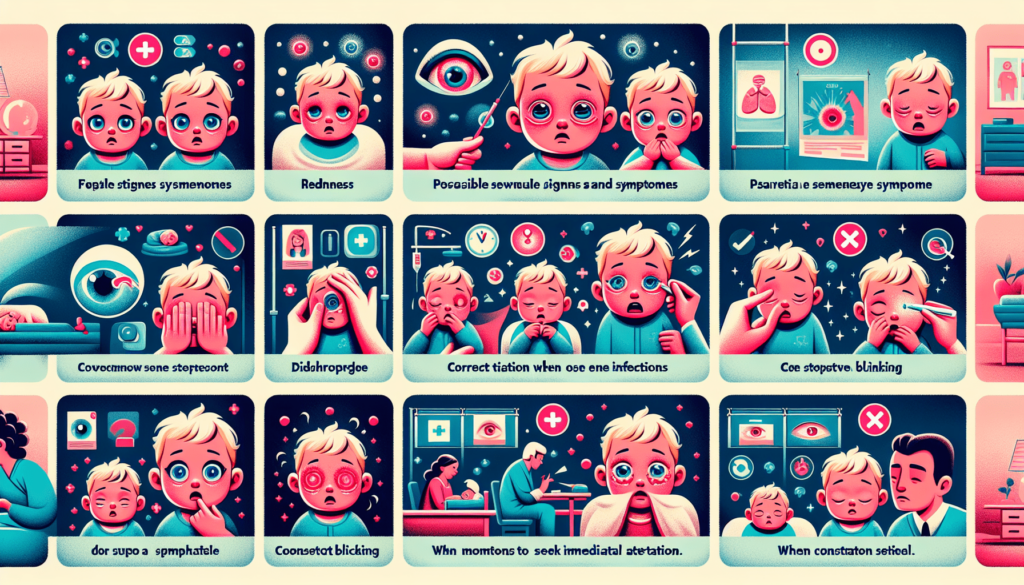
Treating an eye infection in your baby typically involves a combination of medical interventions and home care strategies. It’s crucial to follow the treatment plan prescribed by your healthcare provider to ensure effective and timely resolution of the infection.
Antibiotic Eyedrops or Ointment
If the eye infection is caused by bacteria, your healthcare provider may prescribe antibiotic eyedrops or ointment. These medications help eliminate the bacterial infection and relieve symptoms such as redness, discharge, and swelling. It’s important to administer the prescribed medication as directed, following proper hygiene practices.
Warm Compresses
Using warm compresses on your baby’s eyes can help alleviate discomfort and encourage the drainage of any discharge. Gently apply a clean and warm compress to the affected eye for several minutes, making sure to use a separate compress for each eye to prevent cross-contamination.
Cleaning the Eye
Cleaning the infected eye is crucial in maintaining proper hygiene and reducing the risk of spreading the infection. Use a clean, damp cloth or cotton ball soaked in saline solution to gently wipe away any discharge or crustiness from the eye area. Remember to use a new cloth or cotton ball for each eye to prevent cross-contamination.
Avoiding Irritants
To promote healing and prevent further irritation, it’s important to avoid exposing your baby’s eyes to irritants. This may include minimizing exposure to smoke, chemicals, or other potential irritants in their environment. Taking proactive measures to create a clean and safe environment for your baby can help prevent reinfection.
Prevention
Preventing eye infections in babies involves adopting good hygiene practices and minimizing exposure to infectious agents.
Good Hygiene Practices
Practicing good hygiene is essential to prevent eye infections in babies. This includes washing your hands thoroughly before handling your baby or touching their eyes. Additionally, regularly cleaning and disinfecting objects your baby comes into contact with, such as toys or pacifiers, can help reduce the risk of infection.
Avoiding Contact with Infected Individuals
Minimizing contact with individuals who have active eye infections can significantly reduce the risk of your baby contracting an infection. If you are aware of someone who has an eye infection, it’s important to maintain a safe distance and encourage them to seek appropriate treatment to prevent spreading the infection.
Regular Doctor Visits
Regular visits to your baby’s healthcare provider can help identify any underlying issues or potential risks of eye infections. Your doctor can provide guidance on preventive measures, offer immunizations if needed, and address any concerns you may have regarding your baby’s eye health.
When to See a Doctor
While many eye infections in babies can be treated at home, certain situations warrant prompt medical attention. If you notice any of the following symptoms, it’s important to consult a healthcare professional:
Persistent Symptoms
If your baby’s eye infection does not improve after a few days of home care or if the symptoms worsen despite treatment, it’s best to consult a doctor. Persistent symptoms may indicate a more severe infection or an underlying condition that requires medical intervention.
Fever
If your baby develops a fever in combination with other eye infection symptoms, it’s important to seek medical attention. Fever can be a sign of a more serious infection and should be evaluated by a healthcare professional.
Decreased Appetite
If your baby shows a significant decrease in appetite or is refusing to eat due to the eye infection, it’s crucial to consult a doctor. Reduced appetite can be a sign of discomfort or pain, and medical evaluation is necessary to address the underlying cause.
Lethargy
If your baby appears abnormally tired or lethargic in addition to having an eye infection, it may indicate a more severe infection or complications. Lethargy can be a concerning symptom in babies, and prompt medical attention is recommended.
Complications
While most eye infections in babies can be effectively treated with appropriate care, there is a potential for complications to arise if the infection is not properly managed.
Spread of Infection
Failure to adequately treat and manage an eye infection can result in the spread of the infection to other parts of the eye or the other eye itself. This can lead to more severe symptoms and complications, requiring more aggressive treatment.
Inflammation of the Cornea
In some cases, eye infections can lead to inflammation of the cornea, known as keratitis. Corneal inflammation can cause significant discomfort and may potentially affect your baby’s vision if left untreated. It’s important to seek medical attention if you suspect inflammation of the cornea.
Recurrent Infections
Babies who have had one eye infection may be at an increased risk of developing recurrent infections. This could be due to underlying factors such as a weak immune system or a structural issue with their tear ducts. Close monitoring and proper preventive measures can help reduce the risk of recurrent infections.
Home Remedies and Care
In addition to medical interventions, there are also several home remedies and care strategies that can help manage and alleviate your baby’s eye infection.
Keeping the Eye Clean
Maintaining proper hygiene is essential in managing and preventing the spread of eye infections. Regularly clean your baby’s eyes using a clean, damp cloth or cotton ball soaked in saline solution, being careful not to apply excessive pressure or rub the eyes too aggressively.
Using Saline Solution
Using saline solution can help keep your baby’s eyes clean and alleviate discomfort. You can use over-the-counter saline solution specifically formulated for eyes and gently flush the eye using a sterile dropper. Be sure to follow the manufacturer’s instructions and consult your doctor if you have any concerns.
Gentle Massage
A gentle massage around the tear duct area can help relieve blockages and facilitate proper drainage. Use your clean finger or a clean, warm compress to apply gentle pressure to the tear duct area, aiming to stimulate tear flow and alleviate any potential blockage.
Avoiding Harsh Products
Avoid using harsh products or substances near your baby’s eyes, as they can further irritate the infection. This includes avoiding the use of makeup, fragrances, or products containing potential irritants in the eye area.
Conclusion
Eye infections in babies can be a cause for concern, but with appropriate care and timely medical attention, most cases can be effectively treated. By understanding the signs and symptoms of eye infections, as well as the causes, risk factors, and preventive measures, you can actively protect your baby’s eye health. Remember to consult a healthcare professional if you have any concerns or if your baby’s symptoms persist or worsen. With proper care and attention, your baby’s eyes will soon be back to their bright, healthy selves.
