

Having a baby is an amazing and beautiful experience, but it also comes with its fair share of challenges. One common issue that many new parents face is diaper rash. It can be worrisome to see your little one uncomfortable and in pain, but fear not, because there are simple and effective steps you can take to alleviate their discomfort. In this article, we will provide you with practical tips and gentle remedies to help you soothe your baby’s diaper rash and keep their bottom happy and healthy. So, if you’re a concerned parent wondering what to do when your baby has diaper rash, read on for some friendly and helpful advice. Diaper rash is a common occurrence among babies and can cause discomfort for both the baby and the parents. However, the good news is that there are several steps you can take to identify and treat diaper rash effectively. In this article, we will guide you through the process of identifying the symptoms of diaper rash, providing proper care, and preventing future occurrences.
Identify the symptoms of diaper rash
The first step in addressing diaper rash is to recognize the symptoms. Diaper rash typically manifests in the following ways:
-
Redness and irritation in the diaper area: Diaper rash often appears as a reddened, inflamed patch of skin in the diaper region. This redness can extend from the buttocks to the genitals and even the thighs.
-
Bumps, blisters, or pimples: In some cases, diaper rash may present with small, raised bumps, blisters, or pimples. These can be painful for the baby and indicate a more severe form of rash.
-
Flaky or peeling skin: Another sign of diaper rash is the presence of flaky or peeling skin in the diaper area. This is a result of the skin’s natural barrier being compromised by prolonged exposure to moisture and irritants.
-
Swelling or tenderness: If the diaper rash is particularly severe, you may notice swelling or tenderness in the affected area. The baby’s skin may feel warm or even hot to the touch.
-
Fussiness or discomfort during diaper changes: Babies may exhibit signs of fussiness or discomfort when their diaper is being changed if they have diaper rash. They may cry or squirm, signaling that the rash is causing them discomfort.
By being aware of these symptoms, you can quickly identify diaper rash and take appropriate measures to alleviate your baby’s discomfort.
Change diapers frequently
One of the most effective ways to prevent and treat diaper rash is by changing diapers frequently. Here are some tips to follow:
-
Change diapers promptly after they are soiled or wet: Leaving a wet or soiled diaper on for too long can contribute to the development or worsening of diaper rash. Aim to change your baby’s diaper as soon as you notice it is wet or soiled.
-
Use soft, gentle wipes or warm water and a soft cloth to clean the diaper area: When cleaning your baby’s diaper area, opt for soft, gentle wipes or use warm water and a soft cloth. Avoid wipes with fragrances or alcohol as they can further irritate the delicate skin.
-
Avoid rubbing or harsh movements: After cleaning the diaper area, gently pat the skin dry with a soft towel or cloth. Avoid rubbing or using harsh movements, as this can cause further irritation.
By following these diaper-changing practices, you can help keep your baby’s skin clean and dry, reducing the likelihood of diaper rash developing or worsening.

Let the baby’s bottom air out
Another effective way to alleviate diaper rash is to allow your baby’s bottom to air out. By letting the affected area breathe, you can promote healing and prevent further irritation. Here’s how you can do it:
-
Allow the baby to spend some time without a diaper: Whenever possible, let your baby go without a diaper for short periods. This will allow air to circulate and help dry out the affected area.
-
Place a waterproof sheet or towel underneath to protect surfaces: To avoid any messes, place a waterproof sheet or towel underneath your baby during diaper-free time. This will protect surfaces from any accidental leaks.
-
Expose the affected area to fresh air and natural sunlight, if possible: If the weather permits, take your baby outside for some time in a shaded area. The exposure to fresh air and natural sunlight can be beneficial for the diaper rash.
This simple practice of letting the baby’s bottom air out can make a big difference in promoting healing and reducing the severity of diaper rash.
Apply a diaper rash cream or ointment
In addition to regular diaper changes and airing out the affected area, using a diaper rash cream or ointment can help soothe and protect your baby’s skin. Follow these guidelines when applying a diaper rash cream or ointment:
-
Choose a diaper rash cream or ointment that contains zinc oxide or petroleum jelly: Look for products that specifically mention zinc oxide or petroleum jelly in their ingredients. These ingredients provide a barrier against moisture and irritants, promoting healing.
-
Apply a thin layer of the cream or ointment to the affected area after each diaper change: After cleaning and drying the diaper area, apply a thin, even layer of the diaper rash cream or ointment. This will help create a protective barrier and lock in moisture, allowing the skin to heal.
-
Avoid using creams or ointments with fragrance or harsh chemicals: Stay away from creams or ointments that have added fragrance or harsh chemicals, as they can exacerbate the rash or irritate your baby’s skin further.
By incorporating a diaper rash cream or ointment into your diaper-changing routine, you can provide relief and support the healing process.
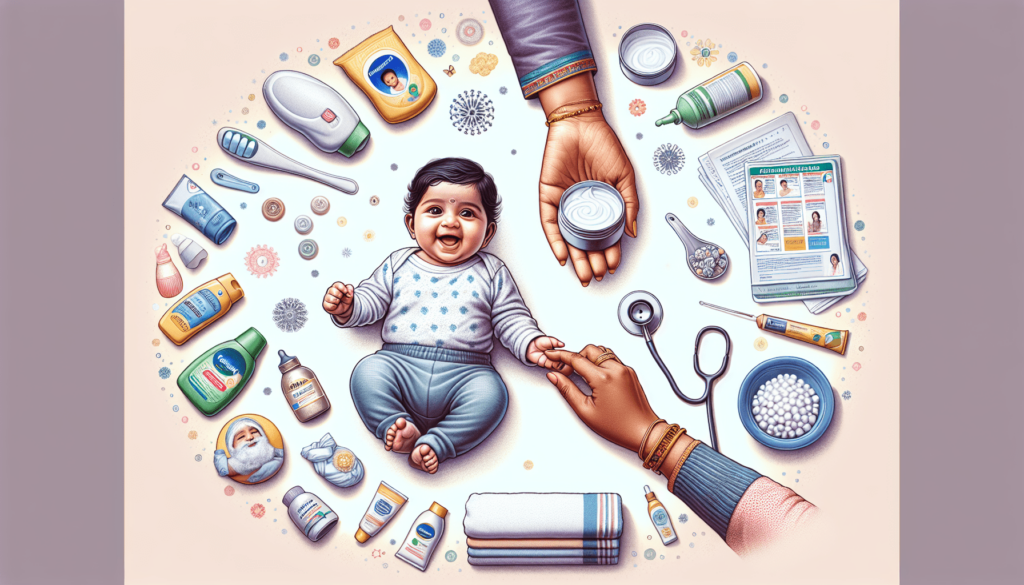
Use a barrier cream
In addition to a diaper rash cream or ointment, using a barrier cream can offer further protection for your baby’s skin. Here’s how to apply a barrier cream effectively:
- Apply a thin layer of a barrier cream, such as petroleum jelly or diaper rash ointment, to the baby’s clean and dry skin before putting on a new diaper: After cleaning and drying your baby’s bottom, apply a thin layer of a barrier cream. This will act as an additional barrier, preventing moisture from reaching the skin.
Using a barrier cream can be especially beneficial during longer stretches between diaper changes, such as during nighttime or nap time.
Avoid irritants
To prevent and mitigate diaper rash, it’s important to avoid irritants that can aggravate your baby’s delicate skin. Follow these guidelines to protect your baby from potential irritants:
-
Avoid using scented soaps, lotions, or laundry detergents that can irritate the baby’s skin: Stick to mild, fragrance-free products specifically formulated for babies. Harsh chemicals and fragrances can irritate the skin and contribute to diaper rash.
-
Use mild, fragrance-free products specifically designed for babies: When it comes to cleaning and caring for your baby’s skin, choose products that are gentle and free of harsh chemicals or fragrances. Look for labels specifically designed for babies or those with sensitive skin.
By being mindful of the products you use on your baby’s skin, you can create a healthy and irritation-free environment.
Choose the right diaper
Selecting the right diaper is crucial in preventing and managing diaper rash. Consider the following factors when choosing the right diaper for your baby:
-
Opt for diapers that are breathable and absorbent: Look for diapers that are specifically advertised as being breathable and absorbent. These types of diapers allow for air circulation and help keep the skin dry.
-
Avoid diapers with excessive plastics or harsh dyes: Some diapers may contain excessive plastics or harsh dyes that can irritate your baby’s skin. Opt for diapers that are free from these potential irritants.
-
Consider using cloth diapers or diapers made from natural materials: Cloth diapers or diapers made from natural materials like cotton can also be a good option for babies prone to diaper rash. These materials are breathable and gentle on the skin.
By choosing the right diaper, you can provide maximum comfort and minimize the risk of diaper rash for your baby.
Determine if additional medical attention is needed
In most cases, home remedies and proper care should help alleviate diaper rash. However, there are situations where additional medical attention may be necessary. Monitor the following signs and consult with a pediatrician if they occur:
-
If the diaper rash persists or worsens after a few days of home treatment: If the rash doesn’t show any signs of improvement or becomes increasingly severe, it’s important to seek medical guidance.
-
If the baby develops a fever or shows signs of infection, such as pus-filled blisters or spreading redness: Diaper rash can occasionally lead to secondary infections. If you notice signs of infection, contact your pediatrician right away.
-
If the baby seems to be in severe pain or discomfort: Severe pain or prolonged discomfort could indicate a more serious issue. Reach out to your pediatrician for a professional examination.
Consult with a pediatrician
If you find that home remedies are not producing the desired results or the diaper rash is persistent, it’s advisable to schedule an appointment with a pediatrician. A pediatrician can assess the severity of the rash and provide appropriate treatment options tailored to your baby’s needs.
During the appointment, the pediatrician may examine the rash, discuss the details of your baby’s symptoms, and recommend specific creams, ointments, or medications if necessary. They may also offer additional advice on caring for your baby’s skin and preventing future diaper rashes.
Prevent future diaper rashes
Once you have successfully treated your baby’s diaper rash, it’s important to take preventative measures to avoid future occurrences. Here are some tips to help prevent future diaper rashes:
-
Change diapers frequently and promptly after they become wet or soiled: Regularly changing your baby’s diaper is the most effective way to prevent diaper rash. Aim to change the diaper as soon as it becomes wet or soiled.
-
Use gentle wipes or warm water and a soft cloth for cleaning: Opt for gentle wipes specially formulated for babies or use a soft cloth and warm water to clean your baby’s diaper area. Avoid wipes with fragrances or alcohol, as they can irritate the skin.
-
Allow the baby’s bottom to air out regularly: Incorporate regular diaper-free time into your baby’s routine. This will allow the skin to breathe and minimize the risk of moisture build-up.
-
Apply a barrier cream before putting on a new diaper: Continuing to use a barrier cream after the diaper rash has healed can help prevent future rashes. Apply a thin layer of barrier cream to clean and dry skin before putting on a new diaper.
-
Avoid irritants and use mild, baby-friendly products: Steer clear of scented soaps, lotions, or laundry detergents that can irritate your baby’s skin. Opt for mild, baby-friendly products that are designed to be gentle on delicate skin.
By following these preventative measures, you can help protect your baby’s skin and reduce the likelihood of future diaper rashes.
In conclusion, diaper rash is a common concern among babies, but with proper care and attention, it can be effectively treated and prevented. By identifying the symptoms, changing diapers frequently, allowing the baby’s bottom to air out, applying diaper rash creams or ointments, using barrier creams, avoiding irritants, choosing the right diaper, seeking medical attention when necessary, and taking preventative measures, you can ensure your baby’s comfort and keep diaper rash at bay. Remember, consulting with a pediatrician can provide additional guidance and support when dealing with diaper rash. With your loving care and these helpful tips, your baby can have a happy, rash-free bottom!
