

If you’ve recently become a parent and are wondering how to properly swaddle your baby, you’re not alone. The art of swaddling has been passed down through generations as a tried and tested technique to help soothe and comfort babies. In this article, we’ll explore the benefits of swaddling and provide you with simple step-by-step instructions on how to swaddle your little one effectively, ensuring a safe and snug experience for both you and your baby. So, let’s get started on this wonderful journey of nurturing your precious bundle of joy!
Choosing the Right Swaddle
When it comes to swaddling your baby, one of the most important considerations is the fabric of the swaddle blanket. You want to choose a fabric that is soft and gentle against your baby’s delicate skin. Many parents find that cotton or muslin blankets work well for swaddling. These materials are breathable and help regulate your baby’s body temperature. Additionally, cotton and muslin are easy to clean, which is especially important since babies can have diaper leaks or spit-up accidents.
In addition to the fabric, selecting the right size of swaddle blanket is crucial. Swaddles that are too small may restrict your baby’s movement and can be uncomfortable for them. On the other hand, swaddles that are too large may not provide a snug and secure fit. Take into consideration your baby’s weight and length when choosing the appropriate size.
Finally, look for swaddles with secure closures such as Velcro or snaps. These closures ensure that the swaddle stays in place throughout the night and helps prevent your baby from wriggling free. It’s important to check the closures regularly to ensure they are still in good condition and functioning properly.
Preparing for Swaddling
Before you start swaddling your baby, it’s important to set up a comfortable and safe environment. Find a flat surface, such as a changing table or bed, where you can lay your baby down during the swaddling process. This will help you maintain control and prevent your baby from rolling or sliding off.
Gathering the necessary supplies before you begin swaddling will make the process much smoother. Have a clean swaddle blanket within reach, as well as any additional items you may need, such as diapers or pacifiers. This way, you won’t have to fumble around looking for things while trying to keep your baby calm.
Lastly, make sure to wash your hands thoroughly before touching your baby. This helps reduce the risk of transferring germs or bacteria to your little one. Clean hands are especially important for newborns, who have delicate immune systems.
Positioning Your Baby
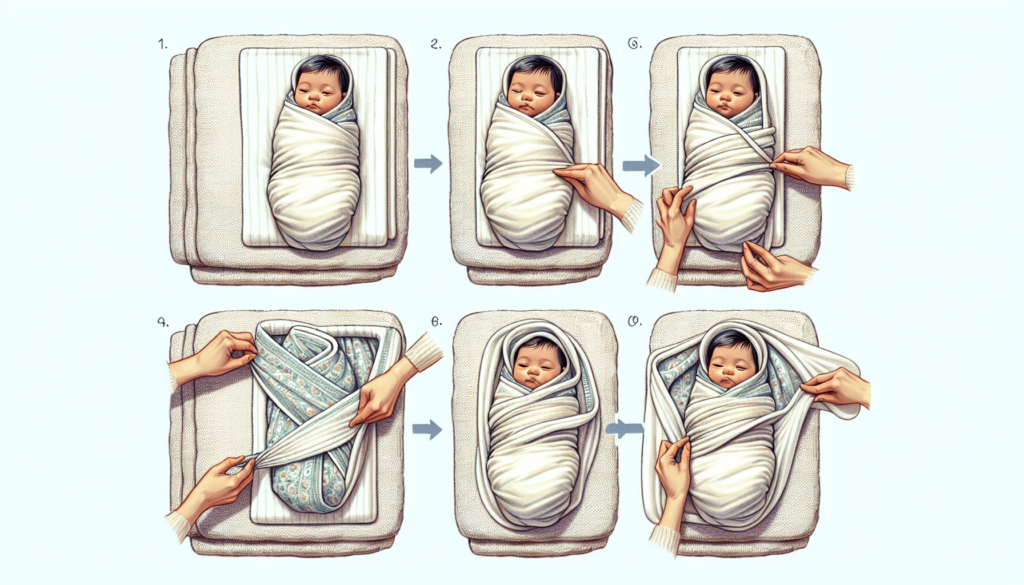
Now that you’re ready to swaddle, it’s time to position your baby correctly. Start by placing your baby on the swaddle blanket, making sure their head is above the top edge. You want to leave enough fabric at the top to fold over and secure later.
When swaddling, it’s crucial to leave room for hip movement. Your baby’s legs should be able to naturally fall into a frog-like position with the knees bent and slightly separated. This allows for healthy hip development and reduces the risk of hip dysplasia.
As you swaddle, keep your baby’s arms at their sides. This helps prevent their hands from coming loose and waking them up during the night. By keeping their arms snugly wrapped, your baby will feel secure and cozy.
Folding Techniques
There are several folding techniques you can use when swaddling your baby. One popular method is the diamond shape fold. Start by laying the swaddle blanket flat and folding one corner down to create a triangle. Then, place your baby in the center of the triangle with their shoulders aligned with the top edge. Fold one side over their body, tucking it under them, and repeat on the other side. Finally, fold the bottom of the triangle up and secure it with the remaining fabric.
Another folding technique is the triangle fold. Begin by folding the swaddle blanket in half diagonally to create a large triangle. Lay your baby with their shoulders aligned with the top edge of the triangle. Take one side of the triangle and wrap it around your baby’s body, tucking it securely under them. Repeat this step with the other side, ensuring a snug fit.
The envelope fold is another great option. Fold the swaddle blanket into thirds, creating a long and narrow shape. Place your baby in the center of the blanket, with their shoulders aligned with the top edge. Take one side and fold it over your baby’s body, tucking it underneath. Repeat with the other side, and fold up the bottom of the blanket to complete the swaddle.

Wrapping Your Baby
Once you have mastered the folding technique, it’s time to start wrapping your baby. Tuck one side of the swaddle blanket firmly under your baby’s body, ensuring it is secure but not too tight. Gently bring the bottom of the blanket up and tuck it under your baby’s shoulder, leaving their hips loose. This allows for proper hip movement and reduces the risk of hip dysplasia.
Finally, bring the other side of the swaddle blanket across your baby’s body and secure it tightly, but comfortably. The swaddle should be snug enough to provide a sense of security, but not too tight that it restricts your baby’s breathing or movement. Remember, the goal is to mimic the cozy environment of the womb.
Checking Swaddle Safety
After swaddling your baby, it’s important to check for swaddle safety. Ensure the swaddle is properly tight, but not excessively so. You should be able to fit two fingers between the swaddle and your baby’s chest to ensure they can breathe comfortably.
Avoid covering your baby’s face with the swaddle. This can restrict their breathing and increase the risk of overheating. Make sure the swaddle is positioned below your baby’s chin and that their face is uncovered.
Monitor your baby’s body temperature while they are swaddled. Overheating can be dangerous for infants and is associated with an increased risk of Sudden Infant Death Syndrome (SIDS). Make sure your baby is dressed appropriately for the temperature of their sleeping environment, and use a swaddle that is appropriate for the season or room temperature.
Swaddling Dos and Don’ts
When it comes to swaddling, there are a few important dos and don’ts to keep in mind. Do pay attention to your baby’s cues. Every baby is different, and some may prefer a looser or tighter swaddle. Watch for signs of discomfort or overheating, and adjust the swaddle as needed to keep your baby comfortable.
Don’t swaddle too tight. While a snug swaddle can be comforting for your baby, over-tightening can restrict their movement and breathing. Remember to always leave room for your baby’s hips to move freely and avoid placing excessive pressure on their chest.
Don’t swaddle with loose blankets. Loose blankets pose a suffocation risk for infants. Stick to purpose-built swaddle blankets that are designed specifically for swaddling. These blankets are created with the necessary size and closures to ensure a secure and safe swaddle.
Transitioning Out of Swaddling
As your baby grows and develops, they will eventually need to transition out of swaddling. This typically occurs around 3 to 6 months of age, when they start showing signs of rolling over. There are several strategies you can use to make the transition smoother for both you and your baby.
Consider using transitional swaddles that allow your baby to have some freedom of movement while still providing a sense of security. These swaddles often have adjustable closures or removable wings that can be gradually phased out as your baby becomes more comfortable sleeping without being tightly swaddled.
Start by allowing your baby to have their arms out of the swaddle while still maintaining the swaddle around their chest and hips. This allows them to practice rolling and explore their newfound freedom while still feeling secure. As your baby adjusts to this change, you can gradually remove the swaddle completely.
Benefits of Swaddling
Swaddling offers numerous benefits for both babies and parents. It promotes better sleep by providing a secure and familiar environment that mimics the womb. The snugness of the swaddle helps prevent the startle reflex, which can often interrupt your baby’s sleep. By reducing the startle reflex, swaddling allows your baby to sleep for longer stretches and promotes more restful sleep.
Swaddling also enhances calming and soothing for your baby. The gentle pressure from the swaddle blanket provides a comforting sensation that can help soothe your baby when they are fussy or overstimulated. It can also make your baby feel safe and secure, which can be particularly helpful during times of stress or transition.
Common Mistakes to Avoid
While swaddling can be beneficial, there are a few common mistakes to avoid. One common mistake is swaddling too late. Swaddling is most effective in the early months of your baby’s life when they are still adjusting to the outside world. Waiting too long to start swaddling may result in your baby resisting the swaddle or finding it less effective in soothing them.
Another common mistake is overheating your baby. It’s important to dress your baby appropriately for the temperature of their sleeping environment. Overheating can increase the risk of SIDS, so be mindful of the clothing and bedding layers your baby is using while swaddled.
Using improper swaddle techniques is another mistake to avoid. Always follow the recommended folding and wrapping techniques to ensure a safe and comfortable swaddle for your baby. Improper techniques can lead to a too-tight swaddle, restricted breathing, or hip dysplasia.
In conclusion, swaddling can be a wonderful way to help your baby feel secure, calm, and sleep better. By choosing the right swaddle, preparing for swaddling, positioning your baby correctly, using proper folding techniques, and checking for swaddle safety, you can ensure a safe and comfortable swaddle for your little one. Remember to monitor your baby’s cues, avoid swaddling too tight or with loose blankets, and be prepared for the transition out of swaddling. With proper swaddling techniques and attention to safety, both you and your baby can enjoy the benefits of swaddling.
