

If you’re a new parent, you may be wondering when the right time is to start tummy time with your baby. Tummy time, which refers to the practice of placing your baby on their stomach while they are awake and supervised, is an important activity that helps develop their neck, back, and shoulder muscles. It also aids in strengthening their core and promotes gross motor skills. In this article, we will explore the ideal time to introduce tummy time into your baby’s routine and provide some helpful tips to make this experience enjoyable for both of you.
Importance of Tummy Time
Tummy Time Definition
Tummy time refers to the practice of placing a baby on their stomach while they are awake and supervised. This simple activity plays a crucial role in a baby’s development and is recommended by healthcare professionals around the world. By engaging in tummy time, babies can reap a multitude of benefits that contribute to their overall growth and well-being.
Developmental Benefits of Tummy Time
Tummy time is not just a fun activity for your little one; it is a vital component of their development. By spending time on their belly, babies can achieve significant physical, sensory, cognitive, and motor skill milestones. Let’s take a closer look at the various benefits of incorporating tummy time into your baby’s daily routine.
Encourages Physical Growth
Tummy time plays a pivotal role in promoting physical growth in babies. By spending time on their tummy, babies engage and strengthen their neck, shoulder, and back muscles. This helps in building the necessary strength to eventually sit up, crawl, and walk. Additionally, tummy time also assists in the prevention of conditions such as positional plagiocephaly, commonly known as flat head syndrome.
Promotes Motor Skills Development
Through tummy time, babies have the opportunity to practice and refine their motor skills. This includes the development of their gross motor skills, such as rolling, crawling, and sitting, as well as their fine motor skills, like reaching and grasping. By exploring different positions during tummy time, infants learn to coordinate their movements and gain better control over their body.
Aids in Sensory Integration
Tummy time serves as a sensory-rich experience for babies. By being in direct contact with various textures and surfaces, babies can enhance their sensory integration skills. This sensory input helps them develop body awareness, spatial orientation, and proprioception, which is the understanding of their body’s position in space. These skills lay the foundation for later skills such as balance and coordination.
Enhances Cognitive and Sensory Development
Engaging in tummy time can significantly contribute to a baby’s cognitive and sensory development. While on their tummy, babies are exposed to a different visual perspective, allowing them to explore their surroundings from a new angle. This visual stimulation helps in the development of their depth perception, visual tracking, and focus. Additionally, engaging in interactive play and activities during tummy time can further enhance cognitive and sensory development.
Recommended Age to Start Tummy Time
Newborn Period
It is never too early to start tummy time with your baby. In fact, the American Academy of Pediatrics recommends introducing tummy time as soon as your baby comes home from the hospital. During the newborn period, aim for short and frequent sessions of tummy time, gradually increasing the duration as your baby grows.
One Month Old
By the time your baby reaches one month old, they may start to lift their head briefly while on their tummy. Encourage this behavior by providing ample support and making the experience enjoyable for your little one.
Two Months Old
At around two months old, you may notice your baby becoming more comfortable and curious during tummy time. They may start attempting to push up on their forearms and explore their surroundings more actively. Support their efforts by engaging in interactive play and providing a safe and stimulating environment.
Three Months Old
By three months old, most babies will have gained more control over their head and neck muscles. During tummy time, they may be able to lift their head higher and for a longer duration. This is an exciting developmental milestone, as it sets the foundation for further physical achievements, such as rolling over and sitting.
Four to Six Months Old
Between four to six months old, babies typically show significant improvement in their tummy time abilities. They may exhibit increased strength in their arms and shoulders, allowing them to bear weight on their arms and explore their surroundings with greater ease. As they approach the six-month mark, they may even start to show signs of readiness for sitting independently.
Beyond Six Months
Even after six months, tummy time continues to be beneficial for your baby’s development. As they become more mobile and start exploring their environment, encourage them to engage in tummy time activities to further strengthen their muscles and maintain their motor skills.
Guidelines for Tummy Time
Start Gradually
When introducing tummy time to your baby, it’s important to start gradually. Begin with short sessions of just a few minutes a few times a day. As your baby becomes more comfortable and gains strength, gradually increase the duration of tummy time.
That Time of the Day
Choose a time of the day when your baby is awake and alert. Avoid tummy time when they are tired or hungry, as they may become fussy and less engaged. Finding a time when your baby is most content will make the experience more enjoyable for both of you.
Choose a Comfortable Surface
Ensure that you choose a comfortable and safe surface for tummy time. A firm and padded surface, such as a play mat or a blanket on the floor, is ideal. Avoid placing your baby on elevated surfaces or soft bedding, as it may pose a suffocation risk.
Supervised and Interaction
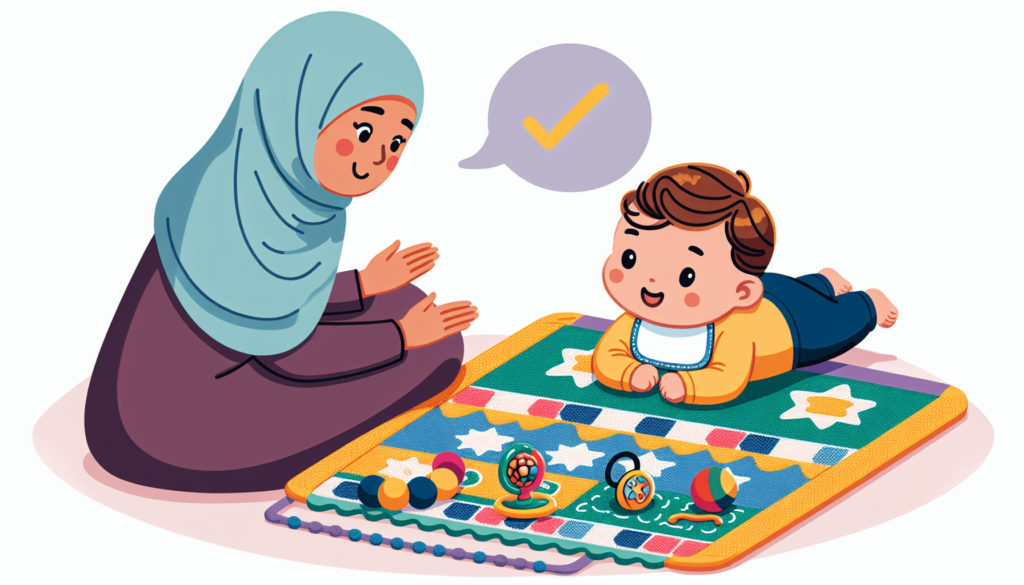
Always supervise your baby during tummy time to ensure their safety and well-being. Stay close by and engage with them through talking, singing, or providing toys and stimuli. This interaction helps keep your baby engaged and makes tummy time a positive and enjoyable experience.
Engaging Activities
Incorporate interactive activities and toys into tummy time to keep your baby engaged and entertained. This can include colorful toys, mirrors, or textured objects that stimulate their senses. Introducing a variety of stimuli can help enhance their cognitive, sensory, and motor skills development.
Signs of Discomfort or Fatigue
Pay attention to your baby’s cues during tummy time. If they become fussy, fatigued, or show signs of discomfort, gently transition them to a different position or take a break. It’s important to respect your baby’s limits and make tummy time a positive experience for them.
Building Up Tummy Time
As your baby grows and becomes more comfortable with tummy time, gradually increase the frequency and duration of the sessions. Aim to work towards at least 15-20 minutes of tummy time spread throughout the day by the time your baby reaches three to four months old.
Tips for a Successful Tummy Time
Introduce Tummy Time Early
To ensure a successful experience with tummy time, introduce it early on. Starting from the newborn period allows your baby to become accustomed to the sensation and gradually build their strength over time.
Provide Ample Support
During tummy time, ensure that your baby is adequately supported. Place a rolled towel or small cushion under their chest to help elevate them slightly and make it easier for them to lift and turn their head.
Use Attractive Stimuli
To capture your baby’s attention and keep them engaged during tummy time, use attractive stimuli. This can include toys with contrasting colors, mirrors, or soft books with tactile elements. By providing interesting and visually stimulating objects, you can entice your little one to explore and interact.
Come Down to Their Level
To enhance the bonding experience during tummy time, come down to your baby’s level. Lie down on the floor next to them, making eye contact and talking to them. This closeness not only helps your baby feel more secure but also encourages them to interact and engage with you.
Spend Time Together
Make tummy time an opportunity for quality bonding time between you and your baby. Use this time to engage in close physical interaction, such as gentle massages or singing lullabies. This creates a positive association with tummy time and strengthens the parent-child connection.
Make it Fun
Infuse fun into tummy time by incorporating playful activities. Use your imagination to create games, such as playing peek-a-boo or blowing bubbles. Keeping the atmosphere light-hearted and enjoyable can help your baby associate tummy time with positive and exciting experiences.
Progress Gradually
Every baby progresses at their own pace, so be patient and allow your little one to progress gradually. Celebrate each milestone they achieve during tummy time, whether it’s lifting their head or grasping a toy. Remember, tummy time is a journey, and small steps forward are still valuable progress.
Modifying Tummy Time Positions
Traditional Tummy Time
The traditional tummy time position involves placing your baby on their tummy while keeping their hands and elbows positioned beneath their shoulders. This position allows them to push up on their forearms and lift their head.
Side-Lying Tummy Time
If your baby is not yet comfortable with the traditional tummy time position, you can try side-lying tummy time. This involves placing your baby on their side with their bottom arm extended forward. This position provides a supportive and relaxed alternative to engage in tummy time.
Lap Tummy Time
Another modified tummy time position is lap tummy time. Sit on a comfortable surface and place your baby on your lap, facing down. Support their chest and provide a stimulating environment in front of them. This position allows for close interaction and supervision during tummy time.
Chest-to-Chest Tummy Time
To further enhance bonding and provide additional support, try chest-to-chest tummy time. Lie down on your back and place your baby on your chest, facing down. This position allows for close physical contact and a secure environment for tummy time.
Babywearing Tummy Time
If your baby is resistant to tummy time on the floor, babywearing tummy time can be a great option. Use a baby carrier or sling that allows your baby to be in a horizontal position against your chest while still experiencing the benefits of tummy time.
Addressing Concerns or Limitations
Certain Medical Conditions
In some cases, certain medical conditions may impact your baby’s ability to engage in tummy time. If your baby has specific medical concerns, such as reflux or respiratory issues, it’s essential to consult with your pediatrician or healthcare professional for guidance on how to adapt tummy time to their needs.
Preterm or Low Birth Weight Babies
Babies who are born prematurely or have low birth weight may require some modifications during tummy time. Your healthcare professional can help determine the best approach and provide guidance on how to gradually introduce tummy time to these little ones.
Neck or Muscle Strength Issues
If your baby has concerns with their neck or muscle strength, they may require additional support or modifications during tummy time. Working closely with a physical or occupational therapist can help identify appropriate techniques or exercises to strengthen your baby’s muscles.
Allergies or Skin Sensitivities
If your baby has allergies or skin sensitivities, it’s important to choose a surface and materials that are hypoallergenic and gentle on their skin. Opt for organic cotton play mats or blankets that are free from common allergens and irritants.
Common Tummy Time Challenges
Resistance or Crying
It’s not uncommon for babies to initially resist tummy time or become fussy during the activity. If this happens, try incorporating distractions, such as toys or songs, to make tummy time more enjoyable. Gradually increase the duration and provide plenty of positive reinforcement to help overcome any resistance.
Fussiness or Restlessness
Some babies may become restless or fussy during tummy time, especially if they are tired or hungry. Pay attention to their cues and ensure they are well-rested and fed before starting tummy time. Adjust the duration and engage in activities that capture their interest to keep them engaged and engaged.
Refusal to Lift Head
If your baby shows reluctance to lift their head during tummy time, provide gentle support and encouragement. Place bright objects or visually appealing toys in their line of sight to capture their attention and motivate them to lift their head.
Flat Spot on Head
In some cases, prolonged periods of time spent on their back can lead to a flat spot on a baby’s head, known as positional plagiocephaly. Tummy time is an effective way to alleviate this issue by varying your baby’s head position and promoting the development of a rounder head shape.
Difficulty in Rolling Over
If your baby is having difficulty rolling over from tummy to back, tummy time can help build the necessary muscles and coordination for this milestone. Encourage them to push up on their arms and initiate rolling movements by providing support and gentle guidance.
Progression of Tummy Time Milestones
Lifting and Turning Head
The first milestone in tummy time is when your baby starts lifting and turning their head. Initially, they may only lift their head slightly, but with practice, they will gradually gain strength and be able to lift their head more confidently.
Pushing Up on Forearms
As your baby gets stronger, they will begin to push up on their forearms during tummy time. This milestone is an exciting development, as it allows them to explore their surroundings from a different perspective and prepare for future motor skills.
Rolling From Tummy to Back
Tummy time can contribute to a baby’s ability to roll from their tummy to their back. By building core strength and practicing weight shifting during tummy time, babies can acquire the skills needed to roll over independently.
Sitting Supported
One of the major milestones facilitated by tummy time is the ability to sit supported. By engaging their core muscles during tummy time, babies develop the strength and stability necessary for sitting with assistance.
Bearing Weight on Arms
Tummy time helps babies gradually build the strength and endurance required to bear weight on their arms. This milestone lays the foundation for future activities like crawling and pulling to stand.
Sitting Independently
With consistent tummy time practice, babies can progress to sitting independently. This major milestone showcases the strength, coordination, and control they have developed through their tummy time experiences.
Crawling
Tummy time plays a significant role in preparing babies for the exciting milestone of crawling. As babies strengthen their neck, shoulder, and arm muscles during tummy time, they gain the necessary foundation to begin exploring their world through crawling.
Tummy Time and Back to Sleep Guidelines
Balancing Back to Sleep and Tummy Time
While tummy time is essential for your baby’s development, it is crucial to follow the Back to Sleep guidelines for safe sleep. Always put your baby to sleep on their back to reduce the risk of Sudden Infant Death Syndrome (SIDS). However, you can incorporate tummy time as part of your baby’s awake and supervised playtime.
Safe Sleeping Environment
Create a safe sleeping environment for your baby by ensuring their sleep surface is free from hazards such as loose bedding, toys, or pillows. Also, remember to tuck in any loose blankets tightly so that they do not cover your baby’s face during sleep.
Supervised Naps vs. Unsupervised Sleep
During the day, you can use tummy time as an opportunity for supervised naps. Ensuring your baby is safe and observed while napping on their tummy can provide them with extra practice and contribute to their development. However, always be present and attentive during these naps to ensure their safety.
Consulting a Healthcare Professional
Pediatrician
If you have any concerns or questions about your baby’s tummy time, it’s important to consult with your pediatrician. They can provide guidance specific to your baby’s individual needs and monitor their developmental progress.
Physical or Occupational Therapist
Physical and occupational therapists are professionals who specialize in infant development and can provide valuable insights and techniques to enhance your baby’s tummy time experience. They can assist in addressing specific concerns or challenges your baby may be facing.
Child Development Specialist
When it comes to developmental milestones and promoting optimal growth, a child development specialist can offer expert advice. They can provide personalized strategies and recommendations to ensure your baby is on the right track with their tummy time progress.
In conclusion, tummy time is a crucial aspect of your baby’s development. From promoting physical growth and motor skills to enhancing cognitive and sensory development, tummy time offers a multitude of benefits. By starting tummy time early, following guidelines, and addressing concerns, you can help your baby achieve important milestones and lay the foundation for a healthy and thriving future. Remember, consult with healthcare professionals if you have any questions or concerns along the way, and enjoy this special bonding time with your little one.
