
Deciding on the perfect diaper for your little one can feel like a daunting task amidst the countless options available on the market today. With concerns about comfort, absorbency, and overall fit, it’s crucial to find a diaper that strikes the perfect balance for your baby’s needs. Luckily, this article is here to guide you through the decision-making process, helping you choose the right diaper that leaves both you and your little bundle of joy content and worry-free. So, let’s explore the factors to consider and make this diaper-choosing journey a breeze!
Diaper Types
When it comes to choosing the right diaper for your baby, there are three main types to consider: disposable diapers, cloth diapers, and hybrid diapers. Each type has its own unique features and benefits, so it’s important to understand the differences before making a decision. Let’s take a closer look at each type.
Disposable Diapers
Disposable diapers are the most commonly used type of diaper for babies. They are made of an absorbent material, usually wood pulp, that is sandwiched between layers of soft, breathable fabric. Disposable diapers are designed to be thrown away after one use, making them convenient for busy parents.
There are different types of disposable diapers available on the market, including regular diapers, overnight diapers, and swim diapers. Regular diapers are suitable for everyday use, while overnight diapers have extra absorbency for longer wear during the night. Swim diapers, on the other hand, are specifically designed to be used in the water and provide protection against leaks.
Pros of disposable diapers include convenience, as they are easy to use and dispose of. They also tend to have a snug fit, thanks to their elastic waistbands and stretchable leg cuffs, which helps prevent leaks. Disposable diapers are readily available in most stores and are a popular choice for parents who prefer a hassle-free diapering experience.
However, there are also cons to consider. Disposable diapers are more expensive in the long run, as they need to be constantly repurchased. They also generate a significant amount of waste, which can have a negative impact on the environment. Additionally, some babies may have allergies or sensitivities to the materials used in disposable diapers, so it’s important to monitor your baby’s skin for any signs of irritation.
Cloth Diapers
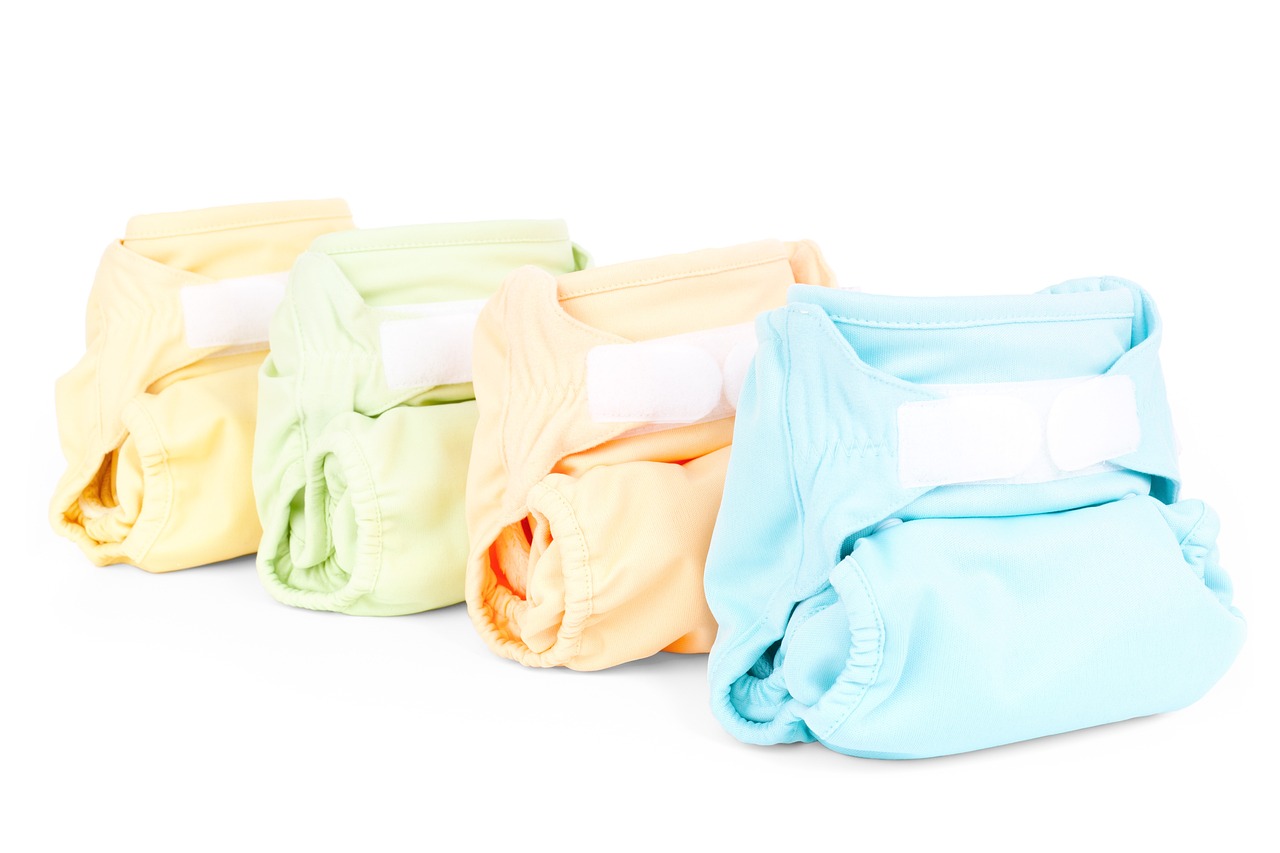
Cloth diapers have seen a resurgence in popularity as more parents look for eco-friendly and cost-effective diapering options. These diapers are made of soft, reusable fabric and can be washed and reused multiple times.
There are various types of cloth diapers available, including prefolds, flats, contours, and all-in-ones. Prefolds and flats are the traditional style of cloth diapers and require folding and fastening with pins or snaps. Contour diapers are pre-shaped and offer a more fitted and convenient option. All-in-one diapers are the most similar to disposable diapers in terms of ease of use, as they consist of an absorbent inner layer and a waterproof outer layer, all sewn together.
One of the main advantages of cloth diapers is their environmental impact. By opting for cloth diapers, you can significantly reduce the amount of waste that ends up in landfills. Cloth diapers are also known for their natural fibers, which can be gentler on a baby’s sensitive skin and reduce the likelihood of diaper rash.
However, cloth diapers do require more effort in terms of maintenance. They need to be washed and dried after each use, which can be time-consuming. Additionally, cloth diapers may require additional accessories such as covers or inserts, adding to the overall cost. It’s also worth noting that some daycare centers or caregivers may not accept cloth diapers due to their extra care requirements.
Hybrid Diapers
Hybrid diapers offer the best of both worlds by combining elements of disposable and cloth diapers. These diapers consist of a reusable outer cover and a disposable or biodegradable insert. The inserts can be swapped out when soiled, allowing parents to reuse the cover multiple times before needing to wash it.
There are different types of hybrid diapers available, including those with snap-in inserts and those with adhesive strips to secure the insert. Some hybrid diapers also have the option of using either a disposable or cloth insert, providing flexibility for parents who want to switch between the two.
The main advantage of hybrid diapers is their versatility. They offer the convenience of disposable diapers when you need it, but also give you the option to use cloth inserts for a more sustainable approach. Hybrid diapers are also easy to use and can provide a snug fit for your baby.
However, hybrid diapers can be more expensive compared to traditional cloth diapers, as you need to constantly purchase the disposable or biodegradable inserts. They also require additional care and maintenance, as the covers need to be washed after each use. It’s important to consider the overall costs and convenience factors when deciding if hybrid diapers are the right choice for your family.
Sizing
When choosing the right diaper for your baby, it’s important to consider their age and size. Diapers come in various sizes to accommodate the different stages of your baby’s growth.
Newborn size
For newborns, there are diapers specifically designed for their smaller size. These diapers have a higher back rise and a contoured fit to ensure a comfortable and secure fit for your little one. Newborn-sized diapers are typically suitable for babies weighing up to 10 pounds.
Size charts
As your baby grows, it’s important to follow size charts provided by diaper manufacturers. These size charts provide guidelines based on your baby’s weight and can help ensure a proper fit. It’s important to remember that every baby is different, so it’s helpful to try out different diaper brands and sizes to find the best fit for your little one.
Adjustable sizes
Some diapers are designed with adjustable features to accommodate a range of sizes. These diapers often have snaps or hook-and-loop closures that can be adjusted to fit your baby more snugly. Adjustable diapers are a great option if you want to get more use out of each diaper as your baby grows.
Comfort and Fit
Ensuring your baby’s comfort is essential when choosing the right diaper. A comfortable and proper fit can help prevent leaks and keep your baby happy and content.
Elastic waistbands
Diapers with elastic waistbands provide a secure and adjustable fit around your baby’s waist. The elastic helps keep the diaper in place and prevents it from slipping down or shifting during movement. Look for diapers with stretchy waistbands that can flex with your baby’s movements without causing discomfort.
Stretchable leg cuffs
Diapers with stretchable leg cuffs are designed to provide a snug fit around your baby’s legs. The stretchy cuffs create a barrier to prevent leaks and offer flexibility for your baby’s movements. They should fit comfortably without leaving any marks or irritating your baby’s skin.
Snugness around waist and legs
A properly fitting diaper should feel snug but not too tight around your baby’s waist and legs. It should allow for some movement and flexibility without being too loose. Diapers that are too tight can cause discomfort and leave marks on your baby’s skin, while diapers that are too loose may not effectively contain messes.

Absorbency
One of the most important factors to consider when choosing a diaper is its absorbency. A highly absorbent diaper can help keep your baby’s skin dry and reduce the likelihood of diaper rash.
High absorbency materials
Diapers with high absorbency are designed to quickly absorb and lock away moisture. Look for diapers that use absorbent materials such as wood pulp, superabsorbent polymers, or bamboo fibers. These materials can hold a significant amount of liquid and keep your baby comfortable for longer periods.
Wetness indicators
Some diapers feature wetness indicators, which are color-changing strips or patterns that can help you determine when it’s time for a diaper change. This feature can be particularly helpful for new parents or caregivers who may have a harder time recognizing when a diaper needs to be changed. Wetness indicators can save you from unnecessary diaper changes and allow you to maximize the use of each diaper.
Leak guards
Leak guards are an important feature to consider, especially for active babies or overnight use. These are extra barriers or gussets around the leg openings of the diaper that help prevent leaks. Look for diapers with well-designed leak guards that offer a secure fit and provide extra protection against leaks, keeping your baby’s clothes and bedding dry.

Ease of Use
The ease of use of a diaper can greatly impact your diapering experience as a parent. Consider the following features to determine how easy a diaper is to put on, take off, and dispose of.
Fastening mechanisms
Diapers typically come with either tabs or fasteners to secure the diaper around your baby’s waist. Tabs are adhesive strips that can be opened and closed multiple times, allowing for adjustments and a secure fit. Fasteners, on the other hand, are typically used with cloth diapers and require folding and securing with snaps or pins. Choose the fastening mechanism that you find easiest to use and most convenient for your needs.
Pull-up versus tabs
Pull-up style diapers are designed to be pulled on and off, similar to underwear. They are a popular choice for older babies who are starting to explore potty-training. These diapers offer more independence for your little one and can make diaper changes less of a hassle.
Tabs-style diapers, on the other hand, are the traditional style that requires fastening with adhesive tabs. These diapers allow for greater adjustability and are easier to put on when your baby is lying down. They are also a preferred choice for newborns and young babies.
Diaper changing features
Consider additional features that can make diaper changes easier, such as front or back waistband cutouts. These cutouts allow for quick and easy access to remove a soiled diaper without needing to remove your baby’s clothing entirely. Some diapers also have tear-away sides, making it easier to remove a dirty diaper without making a mess.

Cost
Cost is often a significant factor when choosing the right diaper for your baby. Consider the following aspects to determine the overall cost of different diaper options.
Price comparison
Compare the prices of different diaper brands and types to determine which option fits within your budget. Keep in mind that while some diapers may have a higher upfront cost, they may offer better quality or additional features that could save you money in the long run.
Buying in bulk
Buying diapers in bulk can often be more cost-effective than purchasing individual packs. Look for sales or consider subscribing to a diaper delivery service that offers discounted prices for larger quantities. Buying in bulk can save you money and ensure that you always have an ample supply of diapers on hand.
Disposable versus cloth diaper costs
When comparing the costs of disposable diapers versus cloth diapers, it’s important to consider the long-term expenses. While disposable diapers may seem more affordable in the short term, the constant need to repurchase can add up over time. Cloth diapers, although having a higher upfront cost, can potentially save you money in the long run as they are reusable. Take into account factors such as water and electricity costs for washing cloth diapers, as well as the potential savings from not needing to purchase disposable diapers regularly.
Choosing the right diaper for your baby is an important decision that can impact both their comfort and your everyday routines. Consider factors such as your baby’s age and size, comfort and fit, absorbency, ease of use, and cost. By weighing the pros and cons of each diaper type and understanding your baby’s specific needs, you can make an informed decision that meets both you and your baby’s needs. Happy diapering!
