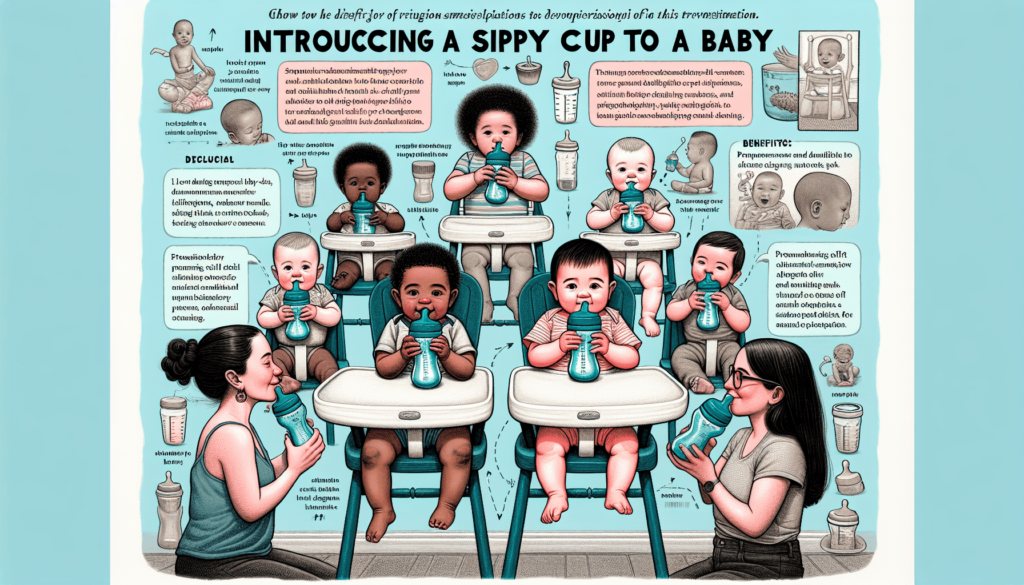
Are you a parent wondering when is the perfect time to introduce a sippy cup to your baby? Well, fret not, because we’ve got you covered! In this article, we will discuss the ideal age to start introducing a sippy cup to your little one and provide you with some helpful tips to make the transition smooth and enjoyable for both of you. So, sit back, relax, and let’s dive into this exciting journey of introducing your baby to the world of sippy cups!

Importance of Introducing a Sippy Cup
Transitioning from Bottle to Cup
Introducing a sippy cup to your baby is an important step in their development as they transition from using bottles to drinking from cups. It helps them become more independent and prepares them for the next stage of their feeding journey. By gradually introducing the sippy cup, you are helping them learn a new skill and promoting their overall development.
Reduces Dependency on Bottles
One of the key benefits of introducing a sippy cup is that it reduces your baby’s dependence on bottles. As they become more comfortable with using a cup, they are less likely to rely on bottles for their daily hydration needs. This is especially important as your baby grows and their nutritional needs change. By gradually replacing bottle feedings with sippy cup feedings, you are helping them transition to a healthier and more age-appropriate way of drinking.
Promotes Hand-Eye Coordination
Using a sippy cup requires your baby to use their hand-eye coordination skills. They need to hold the cup, lift it to their mouth, and sip from it without spilling. This promotes the development of their fine motor skills, as well as their hand-eye coordination. By introducing a sippy cup, you are providing them with opportunities to practice and refine these skills, setting them up for success in other areas of their development.
Encourages Motor Skills Development
Drinking from a sippy cup also encourages the development of your baby’s motor skills. They need to use their hands and fingers to grip the cup, hold it steady, and bring it to their mouth. This not only strengthens their hand muscles but also improves their overall coordination and control. As they get more accustomed to using a sippy cup, you will notice their motor skills improving, making daily activities like eating and drinking easier for them.
Signs of Readiness for a Sippy Cup
Ability to Sit Up Unassisted
One of the signs that your baby is ready for a sippy cup is their ability to sit up unassisted. This means that they have developed enough core strength to sit upright without support. Sitting upright is important when using a sippy cup as it helps prevent choking and promotes proper swallowing. If your baby is able to sit up on their own, it may be a good indication that they are ready to start using a sippy cup.
Showing Interest in Drinking
Another sign of readiness for a sippy cup is when your baby starts showing an interest in drinking. They may reach out for your cup or bottle during feeding times, indicating their curiosity and desire to explore drinking from a different vessel. This interest in drinking is a positive sign that they are ready to start the transition from bottles to cups.
Improved Tongue Control
As your baby’s oral development progresses, they will gain better tongue control. This means that they can move their tongue more easily to manipulate the liquid in their mouth. Improved tongue control is essential for using a sippy cup effectively, as they need to be able to sip and swallow from the spout or straw. If you notice your baby’s tongue control developing, this is a good sign that they are ready to start using a sippy cup.
Losing Interest in Bottle
If your baby is starting to lose interest in their bottle and is showing less enthusiasm during bottle feedings, it may be a sign that they are ready to transition to a sippy cup. Babies often go through phases where they become less interested in their bottles and more curious about other forms of feeding. This can be an opportune time to introduce a sippy cup and encourage their independence.
Recommended Age Range
6 to 9 Months
Most experts agree that it is safe to start introducing a sippy cup to your baby around 6 to 9 months of age. At this stage, they have typically developed enough strength and coordination to begin exploring cups. It is important to note that every baby is different, and some may show readiness to start earlier or later. Trust your instincts and observe your baby’s developmental milestones to determine the appropriate time for introducing a sippy cup.
9 to 12 Months
Between the ages of 9 to 12 months, many babies have further developed their motor skills and are ready to progress to more advanced sippy cup options. They may have better hand control and be able to hold and manipulate cups with different spout designs. This age range is an excellent time to introduce different types of sippy cups and encourage further independence in drinking.
12 Months and Older
By the age of 12 months, your baby should be well on their way to transitioning from bottles to cups. At this stage, they are likely to have developed the necessary skills and coordination to drink confidently from a regular cup. While sippy cups can still be used, it is worth gradually transitioning them to open cups as they approach their second birthday to ensure they continue to develop their oral motor skills.
Types of Sippy Cups
Soft Spout
Soft spout sippy cups are designed to mimic the feel of a bottle nipple, making it a familiar and comfortable option for babies transitioning from bottles. The soft spout is gentle on their gums and teeth, making it a suitable choice for younger babies who are just starting to explore cups. These cups usually have handles to make it easier for your baby to hold and grip as they drink.
Hard Spout
Hard spout sippy cups have a firmer spout that resembles the spout of a regular cup. They provide a more efficient flow of liquid and encourage your baby to use their mouth and tongue muscles to control the flow. Hard spout cups are typically recommended for older babies who have developed stronger oral motor skills. They often come with handles as well, providing an easier grip for your little one.
Straw Cup
Straw cups have gained popularity in recent years due to their numerous benefits. These cups feature a straw spout that requires your baby to suck to drink. Using a straw cup promotes proper tongue and jaw development and can help prevent dental issues associated with prolonged bottle use. Straw cups are suitable for babies who have developed the sucking ability and are ready for a more advanced sippy cup option.
360-Degree Cup
A 360-degree cup, also known as a rimless or spill-proof cup, allows your baby to drink from any angle without spilling the liquid. These cups have a silicone or plastic rim that automatically seals when your baby stops drinking, preventing leaks and spills. 360-degree cups help your baby transition to open cups by eliminating the need for spouts or straws. They encourage the development of proper drinking skills while minimizing mess and accidents.

Choosing the Right Sippy Cup
Consider Your Baby’s Age and Development
When choosing a sippy cup for your baby, it is essential to consider their age and development. Soft spout sippy cups are generally suitable for younger babies who are just starting to explore cups, while harder spout cups or straw cups are more appropriate for older babies who have developed better oral control. Consider your baby’s individual needs and choose a cup that aligns with their stage of development.
Look for BPA-Free and Non-Toxic Materials
Ensure that the sippy cup you choose is made from BPA-free and non-toxic materials. BPA, or bisphenol-A, is a harmful chemical commonly found in plastics that can leach into liquids and pose health risks. Opting for BPA-free cups ensures the safety of your baby’s drinking vessel. Look for cups that are labeled as free from harmful chemicals and made from food-grade materials.
Easy to Hold and Grip
Baby-friendly sippy cups should be easy for your little one to hold and grip independently. Look for cups with handles or ergonomic designs that are specifically made for small hands. These features make it easier for your baby to grasp the cup and bring it to their mouth without assistance. The more comfortable they are holding the cup, the more confident they will become in their drinking abilities.
Leak-Proof Design
Leak-proof sippy cups are a parent’s best friend. Look for cups that have a leak-proof design to minimize mess and ensure that your baby’s drink stays where it belongs. Cups with specially designed valves or seals are effective at preventing leaks, even when your baby is not actively drinking. Remember to test the cup for leaks before using it to ensure a spill-free experience for you and your little one.
Simple Assembly and Cleaning
Sippy cups should be easy to assemble and disassemble for cleaning purposes. Look for cups that have few parts and are dishwasher safe for convenience. Cups with removable spouts or straws are also preferred, as they allow for thorough cleaning. Choose cups that are simple to clean and maintain, making it easier for you to keep them germ-free and ready for your baby’s next drink.
Introducing the Sippy Cup
Start with Water or Breast Milk
When introducing a sippy cup to your baby, it is advisable to start with water or breast milk. Offering water is a safe and healthy choice that helps your baby become familiar with the cup without any added pressure. Breast milk is also a good option as it provides the familiar taste and comfort for your baby. By starting with these liquids, you are allowing your baby to get accustomed to the new cup while also staying hydrated.
Offer During Meal Times
Meal times provide the perfect opportunity to introduce the sippy cup. Offer the cup alongside their solid foods, as your baby may naturally show more interest in drinking while they are eating. By associating the sippy cup with meal times, you are helping them develop a positive connection between eating and drinking from the cup. Encourage them to take sips between bites or offer their drink more frequently during meal times to foster their independence.
Show Interest and Encouragement
Your enthusiasm and encouragement play a vital role in introducing the sippy cup to your baby. Show interest and excitement when they use the cup, applauding their efforts and progress. Smile, use positive reinforcement, and offer verbal praise to let them know that they are doing a great job. Your positive attitude will help create a positive association with the cup, making the transition smoother and more enjoyable for both of you.
Allow Exploration and Play
Babies explore the world through play, and introducing a sippy cup should be no exception. Encourage your baby to explore the cup through touch, sight, and even taste. Allow them to play with the cup, hold it, and explore the spout or straw on their own terms. This sense of exploration helps them become familiar with the cup and builds their confidence in using it. Embrace the messiness and let them enjoy the process.
Be Patient and Persistent
Introducing a sippy cup to your baby is a learning process that requires patience and persistence. Some babies may take to the cup immediately, while others may need a longer adjustment period. Remember that every child is unique, and they will progress at their own pace. Be patient and supportive, allowing your baby the time and opportunity to master the new skill. Consistency and persistence will ultimately lead to success.

Transitioning from Bottle to Sippy Cup
Gradual Weaning Process
Transitioning from bottles to sippy cups should be a gradual process. It is recommended to start by replacing one bottle feeding at a time with a sippy cup feeding. Begin with the feeding that your baby shows the least interest in or seems the most ready to give up. As they become more comfortable with the cup, gradually replace more bottle feedings until they are exclusively using a sippy cup.
Replace One Bottle Feeding at a Time
To avoid overwhelming your baby, it is best to replace one bottle feeding at a time with the sippy cup. This allows them to adjust gradually to the new drinking method without experiencing drastic changes in their feeding routine. Start by introducing the sippy cup during a meal or snack time when they are already in a relaxed and familiar setting. As they become accustomed to the cup, you can gradually introduce it at other times throughout the day.
Offer Comfort and Reassurance
The transition from bottles to sippy cups can be challenging for some babies. It is important to offer comfort and reassurance during this time of change. Provide extra cuddles, hold them close, and offer soothing words to let your baby know that you are there for them. Offer the sippy cup in a calm and supportive environment, ensuring that they feel secure and loved during the transition.
Establish Consistent Routine
Consistency is key when transitioning from bottles to sippy cups. Establishing a consistent routine helps your baby feel more secure and confident in the new feeding method. Set regular meal and snack times, and offer the sippy cup at the same time each day. Consistency provides predictability and helps your baby understand what to expect, making the transition smoother and easier for them.
Potential Challenges and Solutions
Resistance to Change
Some babies may resist the transition from bottles to sippy cups, especially if they are strongly attached to their bottles. In this case, it is important to be patient and persistent. Offer the sippy cup consistently and provide positive reinforcement when your baby shows even the slightest interest. You can also try to make the cup more appealing by choosing one with their favorite color or character, or introducing a new type of cup with a different spout or design.
Difficulty with Sucking
Sucking from a sippy cup can be challenging for some babies, particularly if they are accustomed to the ease of bottle feeding. To help them adjust, you can try using a sippy cup with a soft spout that mimics the feel of a bottle nipple. You can also demonstrate how to use the cup by taking a sip yourself or by directing your baby’s hand towards their mouth while holding the cup. With time and practice, they will become more comfortable with the sucking motion required for the sippy cup.
Leaking or Spilling
Leaking or spilling is a common issue with sippy cups, especially if your baby is still learning how to use them effectively. To minimize leaks, choose cups with leak-proof designs and secure seals. Show your baby how to hold the cup properly and drink without tipping it too much. Additionally, supervise your baby while they are using the cup and be prepared for messes by using bibs or placing a towel underneath them.
Selective Acceptance of Cup
Sometimes, babies may display selective acceptance of the sippy cup, preferring certain cups over others. This can be frustrating, but it is important to remain flexible and patient. Offer a variety of sippy cups with different spout designs and materials to find one that your baby prefers. Experiment with different cups until you find the one that works best for them. It may take some time, but eventually, you will find a cup that your baby accepts and enjoys using.
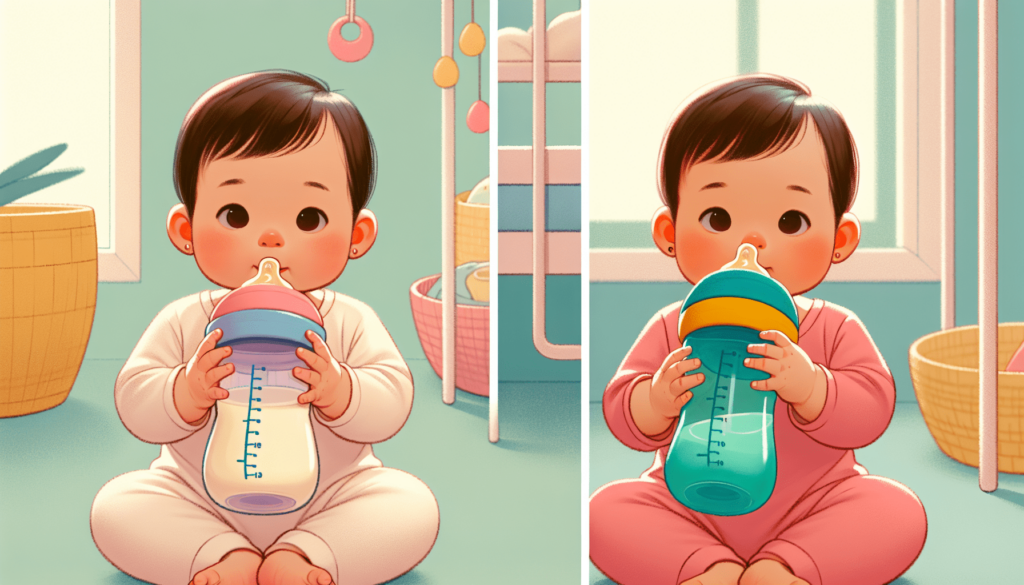
Tips for Successful Transition
Offer Variety of Beverages
To make the transition to a sippy cup more exciting, offer a variety of beverages for your baby to drink. Start with water, breast milk, or formula, and gradually introduce other liquids like diluted fruit juices or milk alternatives as recommended by your pediatrician. Offering different flavors and textures can make drinking from the sippy cup more enjoyable and encourage your baby to explore different tastes.
Let Your Baby Be Involved
Allowing your baby to be involved in the transition process can make it more engaging and enjoyable for them. Let them choose their own sippy cup or involve them in cup shopping. Giving them a sense of ownership and control over the process can increase their enthusiasm and willingness to use the cup. Encourage them to hold the cup independently and applaud their efforts.
Make It Fun and Exciting
Make the transition to a sippy cup a fun and exciting experience for your baby. You can use colorful and attractive cups, sing songs or play games during their drinking time, or create a special ritual around the cup. The more enjoyable and positive the experience, the more motivated your baby will be to use the cup. Use your imagination and creativity to make the transition a memorable and positive milestone.
Set a Positive Example
Babies are highly observant and often learn by imitating their caregivers. Set a positive example by using a cup yourself during meal times or throughout the day. Seeing you use a cup can inspire your baby to do the same. Take sips from your cup and show your baby how to hold and drink from it. Your active participation and positive attitude towards using a cup will encourage your baby’s independence.
Celebrate Milestones
Transitioning from bottles to sippy cups is a significant milestone in your baby’s development. Celebrate each step of the journey and acknowledge their progress along the way. It could be as simple as clapping your hands or giving them a high-five when they successfully take a sip from the cup. Celebrating milestones boosts your baby’s confidence and reinforces the positive association with using a sippy cup.
When to Consult a Pediatrician
Persistent Refusal of Sippy Cup
If your baby consistently refuses the sippy cup and shows no interest in using it, it may be worth consulting with your pediatrician. They can assess your baby’s individual needs and offer guidance on alternative methods of transitioning from bottles to cups. Sometimes, underlying oral or sensory issues may be affecting their acceptance of the cup, and a healthcare professional can provide specialized advice.
Excessive Crying or Frustration
Transitioning from bottles to sippy cups can be accompanied by some frustration and resistance. However, if your baby displays excessive crying or distress during the transition process, it is important to seek advice from a pediatrician. They can assess whether there are any underlying issues contributing to your baby’s discomfort and provide appropriate recommendations and support.
Difficulties with Feeding
If your baby experiences difficulties with feeding, such as choking or gagging, while using a sippy cup, it is crucial to consult a pediatrician. They can assess your baby’s oral motor skills and identify any underlying issues that may require intervention or specialized feeding therapy. Your pediatrician will work with you to find appropriate solutions and techniques to ensure the safe and successful transition to using a sippy cup.
Concerns about Oral Development
If you have concerns about your baby’s oral development or suspect any abnormalities, it is essential to consult a pediatrician. They can evaluate your baby’s oral structures and provide guidance on feeding methods, including the transition from bottles to cups. Early intervention is key in addressing any potential issues and ensuring your baby’s healthy oral development.
In conclusion, introducing a sippy cup to your baby is a significant step in their development that promotes independence, hand-eye coordination, and motor skills. By recognizing the signs of readiness and choosing the right sippy cup, you can facilitate a smooth transition from bottles to cups. With patience, consistency, and a positive attitude, you can help your baby successfully navigate this milestone and pave the way for healthy drinking habits in the future. Remember to consult your pediatrician if you encounter any challenges or have concerns about your baby’s feeding journey.