
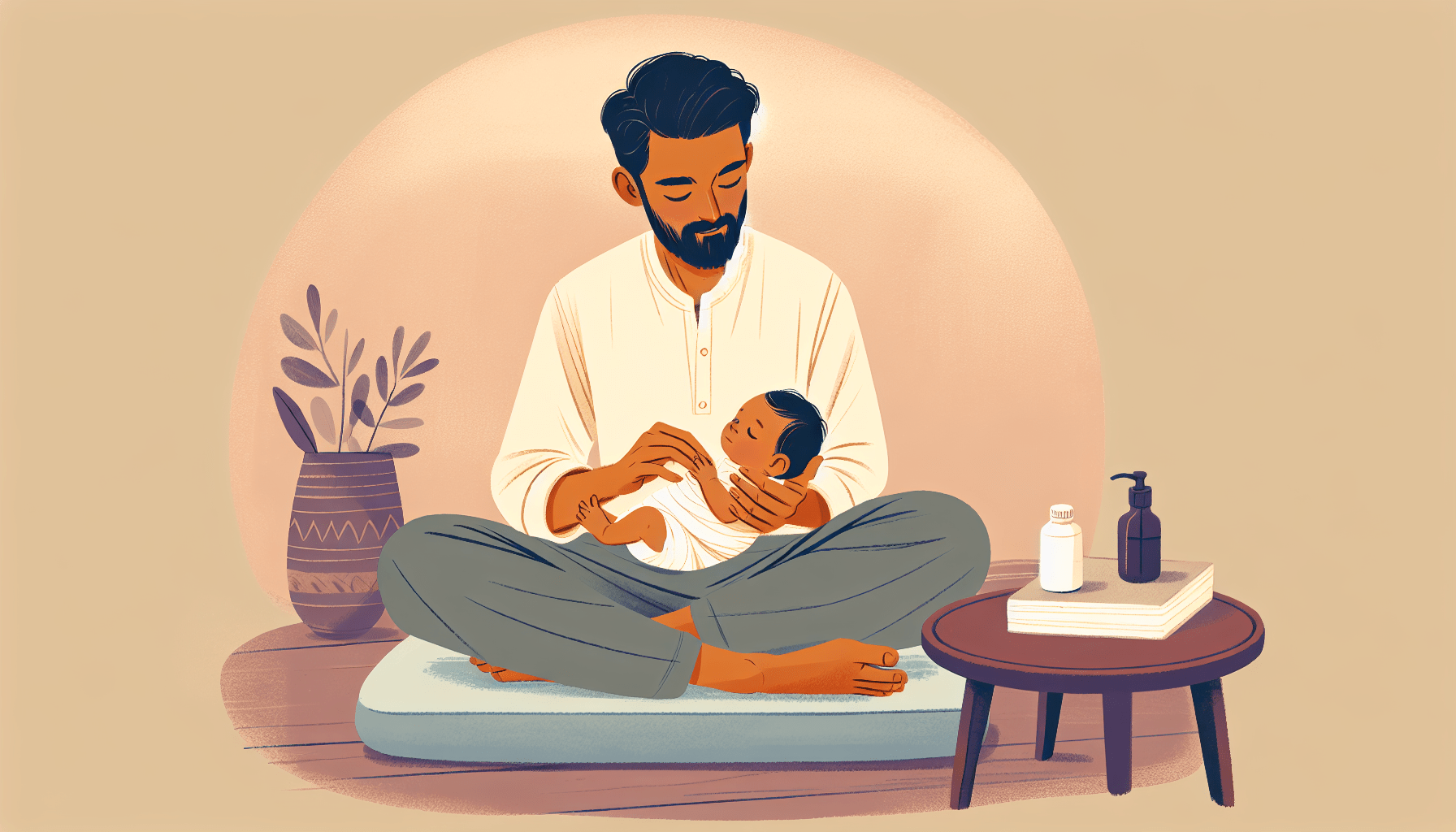
Interested in the benefits of baby massage, but not sure when to start? Look no further! In this article, we will explore the optimal time to begin indulging your little one in the soothing and therapeutic practice of baby massage. From promoting bonding to aiding in relaxation, discover why starting baby massage early on can be a game-changer for both you and your baby. So, grab a cozy blanket and get ready to embark on this delightful journey of nurturing touch. Let’s dive in!

Benefits of Baby Massage
Promotes bonding
Baby massage is a wonderful way to enhance the bond between you and your little one. Through gentle, loving touch, you can communicate your love and affection to your baby. The physical connection during massage can create a sense of security and trust, strengthening the bond between you both. It is a special time for you to dedicate solely to your baby, providing them with the undivided attention and love they need.
Aids in relaxation
Just like adults, babies can also experience stress and tension. Baby massage can help to alleviate these feelings and promote relaxation. When you massage your baby, it releases oxytocin, a hormone that helps to calm both you and your baby. The soothing touch and rhythmic strokes can relax your baby’s muscles, reduce fussiness, and create a sense of calmness. It can be a beautiful way to help your baby unwind and let go of any tension they may be holding onto.
Improves sleep
Sleep is crucial for your baby’s growth and development, and baby massage can contribute to better sleep patterns. Massage increases the levels of serotonin, a hormone that regulates sleep, in your baby’s body. By incorporating massage into their bedtime routine, you can help your baby relax and prepare for a restful sleep. The gentle touch and relaxation benefits of massage can also decrease the likelihood of your baby waking up frequently during the night, allowing them to get the sleep they need.
Enhances cognitive development
Baby massage is not only beneficial for the physical and emotional well-being of your baby but also for their cognitive development. The gentle movements and stimulation during massage can enhance your baby’s sensory perception and promote brain development. The loving touch and interaction during massage can also support language development and social skills. So, in addition to all the other benefits, regular baby massage can contribute to your baby’s overall cognitive growth and development.
Suitable Age for Baby Massage
Newborn stage
Baby massage can be started as early as during the newborn stage. In fact, it is often recommended to begin gentle massages within the first few weeks after birth. Newborns are highly responsive to touch, and massage can provide them with a sense of security and comfort during this crucial period of adjustment. It is a beautiful way to bond with your newborn and help them feel loved and cared for.
Postpone if baby has health issues
While baby massage is generally safe and beneficial, it is important to consult with your pediatrician if your baby has any health issues or medical conditions. In some cases, certain health conditions may require you to postpone baby massage until your baby’s condition has improved or stabilized. Your pediatrician will be able to provide the best guidance based on your baby’s specific needs.
Consider baby’s individual needs
Each baby is unique, and their readiness for massage may vary. Some babies may be more receptive to massage earlier on, while others may need a bit more time to adjust. It is important to consider your baby’s individual needs, preferences, and temperament. If your baby shows signs of discomfort or resistance during massage, it may be necessary to take a step back and try again when they are more receptive.
Signs of Readiness for Baby Massage
Baby’s alertness and calmness
One of the key indicators that your baby may be ready for massage is their alertness and calmness. If your baby is wide awake and content, it is a good time to try massage. When your baby is in a peaceful and relaxed state, they are more likely to enjoy and benefit from the experience. On the other hand, if your baby is fussy or overtired, it may be best to wait for a more suitable time.
Baby’s ability to maintain eye contact
Another sign of readiness for baby massage is your baby’s ability to maintain eye contact with you. Eye contact is an important form of communication and connection between you and your baby. If your baby is consistently making eye contact with you, it indicates a level of engagement and attention that can be further nurtured through massage.
Receptiveness to touch
Observing your baby’s receptiveness to touch is crucial in determining their readiness for massage. If your baby reacts positively and shows pleasure when you touch and stroke their body, it is a good indication that they are open to receiving a massage. On the other hand, if your baby shows signs of discomfort or tries to pull away, it may be a sign that they are not quite ready for massage yet.
Safety Precautions for Baby Massage
Choosing a safe environment
Creating a safe environment is essential when it comes to baby massage. Ensure that the room is warm and free from drafts, as newborn babies are particularly sensitive to changes in temperature. Remove any objects or hazards that could potentially harm your baby during the massage. Make sure that the surface you are using for massage is stable and comfortable for both you and your baby.
Using appropriate oils
When it comes to choosing oils for baby massage, it is important to opt for natural, baby-friendly options. Avoid using heavily scented or synthetic oils that may irritate your baby’s delicate skin. Instead, look for organic, cold-pressed oils such as coconut, olive, or almond oil. These oils are gentle on your baby’s skin and provide nourishment and moisture. Perform a patch test before using any new oil to ensure that your baby does not have an adverse reaction.
Being gentle and responsive
During baby massage, it is crucial to be gentle and responsive to your baby’s cues. Use light, rhythmic strokes and gentle pressure, being mindful of your baby’s comfort level. Pay attention to your baby’s body language and adjust your technique accordingly. If your baby appears uncomfortable or starts to cry, it may be a sign that they need a break or that you need to modify your massage technique.

Getting Started with Baby Massage
Consulting a pediatrician or certified massage therapist
Before embarking on baby massage, it can be helpful to consult with your pediatrician or a certified massage therapist. They can provide guidance, answer any questions or concerns you may have, and offer specific recommendations based on your baby’s individual needs. They can also teach you proper massage techniques and ensure that you are implementing them safely and effectively.
Creating a comfortable atmosphere
To make the experience of baby massage enjoyable and relaxing, it is important to create a comfortable atmosphere. Choose a quiet, calm space where you and your baby can focus on the massage without distractions. Dim the lights or use soft, gentle lighting to create a soothing ambiance. Play calm music or use white noise to drown out any background noise that may interfere with the relaxation of your baby.
Learning the right techniques
Learning the right techniques for baby massage is crucial to ensure that you are providing the maximum benefits to your baby. There are various resources available, including books, videos, and classes, that can teach you the proper techniques. It is important to learn the specific strokes and movements that are safe and effective for your baby’s age and developmental stage. Taking the time to educate yourself on the correct techniques will enhance your confidence and ensure that you are providing a positive and beneficial experience for your baby.
Timing and Duration of Baby Massage
Choosing a time when the baby is awake and calm
When it comes to choosing the timing of baby massage, it is important to select a time when your baby is awake and calm. Avoid massaging your baby immediately after feeding or when they are overtired. Choose a time when your baby is awake but not overly stimulated or fussy. This will help to ensure that your baby is receptive to the massage and can fully benefit from the relaxation and bonding experience.
Starting with shorter sessions and gradually increasing duration
It is recommended to start with shorter massage sessions and gradually increase the duration as your baby becomes more comfortable and accustomed to the experience. Begin with just a few minutes of massage and observe your baby’s reactions. If they seem to enjoy it and remain calm, you can gradually extend the duration to 10-15 minutes. However, always pay attention to your baby’s cues and adjust the length of the massage as needed.
Massage Techniques for Different Age Groups
Gentle strokes and circles for newborns
For newborns, gentle strokes and circles are typically the most appropriate massage techniques. Use your fingertips to lightly stroke your baby’s arms, legs, chest, and back. Make circular motions on their belly, always in a clockwise direction, to help ease any trapped gas or digestive discomfort. Be sure to support your baby’s head and neck throughout the massage, as newborns have limited neck control.
Introducing more varied strokes for older babies
As your baby grows and develops, you can introduce more varied massage strokes and techniques. You can use kneading motions with your fingertips or palms to gently stimulate your baby’s muscles. You can also incorporate gentle stretching movements, such as flexing and extending their limbs, to promote flexibility and mobility. Tailor the strokes to your baby’s individual needs and preferences, always being mindful of their comfort and enjoyment.
Adapting to Baby’s Preferences and Feedback
Observing baby’s reactions and adjusting techniques
During baby massage, it is important to observe your baby’s reactions closely. Pay attention to their facial expressions, body language, and sounds they make. If your baby seems to enjoy a particular stroke or area of the body being massaged, you can continue to focus on that area. On the other hand, if your baby appears uncomfortable or shows signs of distress, adjust your technique or move on to a different area. Being responsive to your baby’s feedback ensures that the massage experience is pleasant and enjoyable for them.
Being responsive to baby’s signals
Babies communicate their needs through various signals, and it is essential to be responsive to these signals during massage. If your baby turns away, cries excessively, or becomes restless, it may indicate that they have had enough or need a break. It is important to respect their cues and pause the massage if necessary. Always prioritize your baby’s comfort and well-being throughout the massage session.
Incorporating Baby Massage into Daily Routine
Choosing a consistent time for massage
To establish a routine, it can be helpful to choose a consistent time for baby massage. This helps your baby anticipate and prepare for the massage, creating a sense of predictability and comfort. Some parents prefer to incorporate massage into their baby’s bedtime routine to promote relaxation and better sleep. Others may choose to do it after a bath or during a calm period of the day. Find a time that works best for you and your baby, and stick to it to make baby massage a regular practice.
Creating a calming routine around it
In addition to choosing a consistent time, it can be beneficial to create a calming routine around baby massage. This routine can include activities such as dimming the lights, playing soft music, or engaging in quiet playtime before the massage. These calming activities help signal to your baby that it is time to wind down and prepare for the special bonding experience of massage. By creating a soothing atmosphere, you can enhance the relaxation and enjoyment of the massage for both you and your baby.
Conclusion
Starting baby massage at the appropriate age offers numerous benefits for both the baby and the caregiver. It promotes bonding, aids in relaxation, improves sleep, and enhances cognitive development. When considering baby massage, it is important to take into account the suitable age and the baby’s individual needs. Safety precautions such as choosing a safe environment, using appropriate oils, and being gentle and responsive are crucial. Consulting a pediatrician or certified massage therapist can provide guidance and ensure the proper techniques are learned. The timing and duration of baby massage should be chosen carefully, considering the baby’s awake and calm periods. As the baby grows, massage techniques can be adapted to their age group. Adapting to the baby’s preferences and feedback is essential for a pleasant experience. By incorporating baby massage into the daily routine and creating a calming atmosphere, the many benefits can be consistently enjoyed. With baby massage, a stronger bond can be formed, relaxation can be promoted, and the baby’s overall development can be supported. So why wait? Start enjoying the beautiful benefits of baby massage today!
