

If you have a newborn or are expecting a baby soon, you might be wondering when is the right time to start baby gymnastics or yoga. These activities can provide numerous benefits for your little one, such as improving their flexibility, strength, and coordination. In this article, we will explore the ideal age to introduce your baby to the world of gymnastics or yoga, ensuring a safe and enjoyable experience for both of you. So, let’s delve into the fascinating journey of early physical development for your little one!

What is baby gymnastics or yoga?
Definition of baby gymnastics
Baby gymnastics is a form of exercise and play designed specifically for infants and young children. It involves gentle movements, stretches, and positions that help promote physical development, motor skills, and coordination. Baby gymnastics classes often incorporate age-appropriate equipment such as mats, soft toys, and low-level balance beams to enhance the experience.
Definition of baby yoga
Baby yoga is a practice that focuses on the physical and emotional well-being of infants and young children. It combines gentle stretches, movements, and relaxation techniques, all adapted to the unique needs of babies. Baby yoga classes often incorporate elements of music, rhymes, and bonding exercises to create a soothing and nurturing environment for both the baby and the parent.
Benefits of baby gymnastics or yoga
Physical development
Engaging in baby gymnastics or yoga can greatly contribute to the physical development of your little one. These activities promote muscular strength, flexibility, and balance, which are vital for overall physical growth. Regular participation in baby gymnastics or yoga can help babies improve their coordination and enhance their body awareness.
Motor skills
Baby gymnastics or yoga can have a positive impact on the development of motor skills. Through gentle movements and exercises, babies have the opportunity to practice and refine their fine and gross motor skills, such as reaching, grasping, crawling, rolling, and eventually walking. The repetition of these movements in a safe and supportive environment can help babies gain confidence in their abilities.
Cognitive development
Participating in baby gymnastics or yoga can also stimulate cognitive development. The combination of physical activity and mental engagement helps babies develop their cognitive skills, such as problem-solving, spatial awareness, and memory. The incorporation of music, colors, and interactive elements in classes can further enhance the cognitive benefits for your little one.
Social and emotional development
Baby gymnastics or yoga classes provide a wonderful opportunity for babies to interact with other children their age and engage in social play. This exposure to different social situations and environments can contribute to the development of social and emotional skills, such as sharing, taking turns, and building relationships. It provides a supportive and inclusive space where babies can explore, discover, and express themselves freely.
Bonding with parents
One of the most significant benefits of baby gymnastics or yoga is the opportunity for parents to bond with their babies. The shared experience of engaging in physical activity and being present in the moment creates a strong emotional connection between the parent and the baby. Through gentle touch, eye contact, and mindful interactions, parents can deepen their relationship with their little one and create lasting memories.
Considerations before starting
Consultation with a pediatrician
Before starting baby gymnastics or yoga, it is important to consult with your pediatrician. They can provide guidance based on your baby’s individual needs and medical history. Your pediatrician can assess your baby’s developmental progress and advise you on whether they are physically ready to participate in these activities.
Developmental readiness
Each baby develops at their own pace, so it is important to consider their developmental readiness before beginning baby gymnastics or yoga. Look for signs of basic motor skills, such as head control, limb mobility, and interest in movement. These indicators can help determine if your baby is physically ready to engage in these activities.
Baby’s health and well-being
The health and well-being of your baby should always be a top priority. If your baby has any medical conditions or physical limitations, it is important to take those into account before starting baby gymnastics or yoga. Consult with your pediatrician to ensure that these activities are suitable and safe for your little one.
Parent’s comfort and familiarity
Parents should also consider their own comfort and familiarity with baby gymnastics or yoga. It is important to choose an activity that aligns with your own interests and beliefs. If you are more comfortable participating in a structured class led by an instructor, that may be the best option for you. On the other hand, if you prefer a more informal and play-based approach, you might consider exploring parent and baby classes or online resources.
Availability of qualified instructors
When choosing a baby gymnastics or yoga program, it is crucial to ensure that there are qualified instructors available. Look for instructors who have experience working with babies and who have appropriate certifications and training. A knowledgeable and experienced instructor can guide you and your baby safely through the exercises and provide valuable feedback and support.
Recommended age to start
Baby gymnastics
While there is no set age to start baby gymnastics, most programs recommend waiting until your baby is at least six months old. By this age, babies have typically developed enough muscle control and mobility to actively participate in the exercises. However, every baby is different, so it is important to assess their individual readiness and consult with your pediatrician before starting.
Baby yoga
Baby yoga can be started as early as six weeks old, but once again, it is important to consider your baby’s developmental readiness and consult with your pediatrician. At six weeks, babies have usually gained some head control and are able to tolerate gentle movements and stretches. Baby yoga classes often focus on creating a calm and peaceful atmosphere, which can be particularly beneficial for newborns.
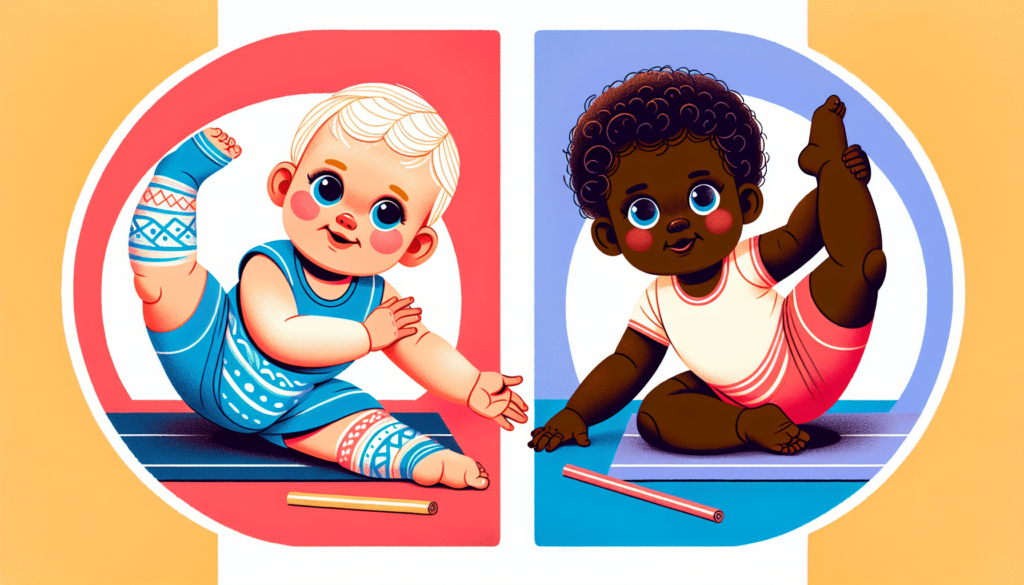
Signs of readiness in babies
Head control
A key indicator of readiness for baby gymnastics or yoga is head control. When babies are able to hold their heads up steadily and support the weight of their heads, they are usually ready to engage in exercises that require more muscular control.
Limb mobility
Babies should also exhibit adequate limb mobility before participating in baby gymnastics or yoga. This includes the ability to move their arms and legs freely and with some coordination. If your baby can reach and grab objects, kick their legs, or push up with their arms, they are likely ready for these activities.
Interest in movement
Observe your baby’s interest in movement. If they are consistently reaching for toys, trying to roll over, or attempting to crawl, it may indicate that they are ready for baby gymnastics or yoga. This curiosity and desire to explore their surroundings can be channeled in structured exercises and activities.
Ability to follow simple instructions
Although babies may not be able to follow complex instructions, their ability to understand and respond to simple cues can be an indication of readiness. If your baby can respond to your voice or gestures, such as lifting their legs when you say “up,” or turning their head when you sing a familiar song, they may be ready to engage in guided exercises.
Strong enough to support body weight
Before starting baby gymnastics or yoga, it is important to ensure that your baby has enough strength to support their own body weight. This is especially relevant for activities that involve putting weight on their limbs, such as tummy time or crawling. Your pediatrician can help assess your baby’s strength and advise you accordingly.
Different types of baby gymnastics or yoga programs
Structured classes
Structured baby gymnastics or yoga classes are led by qualified instructors and follow a pre-designed curriculum. These classes often include a mix of exercises, stretches, and movements that are suitable for the age and developmental stage of the babies involved. Structured classes provide a structured framework and offer a comprehensive approach to baby gymnastics or yoga.
Parent and baby classes
Parent and baby classes are a popular option for those who want to bond with their babies while engaging in physical activities. These classes often involve a combination of exercise, play, and interaction between the parent and the baby. They provide a supportive and social environment where parents can learn and practice exercises alongside their babies.
Play-based programs
Play-based baby gymnastics or yoga programs focus more on the exploration and enjoyment of movement rather than structured exercises. These programs often include sensory play, music, and creative movement activities. They provide a relaxed and fun atmosphere for babies to explore their bodies and interact with their surroundings.
Online resources and tutorials
For those who prefer the convenience of learning at home, there are numerous online resources and tutorials available for baby gymnastics or yoga. These resources often provide step-by-step instructions, videos, and demonstrations for parents to follow along with at their own pace. Online programs can be a flexible and accessible option for families who prefer to engage in these activities from the comfort of their own home.
Finding a qualified instructor or program
Researching local options
To find a qualified instructor or program, start by researching local options in your area. Check community centers, gyms, or specialized studios that offer baby gymnastics or yoga classes. Look for programs that have a positive reputation and a history of working with babies and young children.
Checking qualifications and certifications
When considering a particular instructor or program, be sure to check their qualifications and certifications. Look for instructors who have undergone specialized training in working with babies and who hold certifications in infant yoga or gymnastics. These credentials demonstrate that the instructor has the necessary knowledge and skills to provide a safe and effective experience for your baby.
Looking for experienced instructors
Experience is an important factor to consider when selecting an instructor or program. Look for instructors who have years of experience working with babies and a track record of providing quality classes. Experienced instructors have a deep understanding of infant development and are well-equipped to adapt exercises to each baby’s unique needs and abilities.
Reading reviews and testimonials
To gain insight into the quality of an instructor or program, read reviews and testimonials from other parents. Online platforms, social media groups, and parenting forums often feature discussions and recommendations about baby gymnastics or yoga programs. Feedback from other parents can help you make an informed decision and choose a program that aligns with your expectations.
Observing a class or session
Before committing to a particular program, try to observe a class or session to get a sense of the instructor’s teaching style and the environment. Many instructors offer trial classes or allow parents to watch a session before enrolling. Pay attention to the instructor’s interaction with the babies and how they create a safe and engaging experience. Observing a class firsthand can help you determine if it is the right fit for you and your little one.
Safety considerations for baby gymnastics or yoga
Proper warm-up and cool-down
Safety should always be a priority in baby gymnastics or yoga. Make sure that the instructor incorporates a proper warm-up and cool-down routine to prepare the baby’s body for exercise and to prevent injury. Gentle stretches and movements should be included to gradually prepare the muscles and joints for more intense activity.
Safe and age-appropriate exercises
Exercises and movements should always be safe and age-appropriate for babies. It is important to avoid activities that put excessive strain on the baby’s developing muscles or require them to exceed their physical limitations. Instructors should focus on gentle, controlled movements that promote strength, flexibility, and coordination without causing discomfort or harm.
Clean and well-maintained equipment
Before participating in baby gymnastics or yoga, ensure that the equipment and mats are clean and well-maintained. This reduces the risk of germs or allergens that could potentially harm your baby. If you are participating in a class or program, the instructor or facility should prioritize cleanliness and hygiene to provide a safe environment for all participants.
Small class sizes
Small class sizes are ideal for baby gymnastics or yoga. This allows for individual attention from the instructor and reduces the risk of accidents or injuries. Smaller groups also create a more intimate and comfortable setting, allowing babies and parents to fully engage in the activities and receive personalized guidance.
Supervision at all times
During baby gymnastics or yoga sessions, there should always be close supervision of the babies. Instructors or assistants should be present to monitor the babies’ movements and ensure their safety. Parents should also be actively engaged and attentive to their own baby’s needs and behavior. This constant supervision promotes a secure and confident environment for both babies and parents.
Tips for a successful baby gymnastics or yoga experience
Creating a comfortable environment
To maximize the benefits of baby gymnastics or yoga, create a comfortable environment for your little one. Choose a quiet and spacious area where your baby can move freely without distractions. Remove any potential hazards or sharp objects from the surroundings to ensure a safe space for exploration.
Using appropriate clothing and equipment
Dress your baby in comfortable and stretchy clothing that allows for ease of movement. Avoid clothing with buttons, zippers, or loose strings to prevent any accidental entanglement. Additionally, it is important to use age-appropriate and safe equipment that is specifically designed for baby gymnastics or yoga. This includes soft mats, toys, and props that are suitable for their developmental stage.
Ensuring a calm and relaxed atmosphere
Creating a calm and relaxed atmosphere during baby gymnastics or yoga sessions can enhance the experience for both you and your baby. Dim the lights, play soft music, or incorporate gentle scents, such as lavender, to promote a soothing environment. This helps create a sense of tranquility and encourages your baby to be fully present in the moment.
Setting realistic expectations
Remember that each baby develops at their own pace, so it is important to set realistic expectations. Your baby’s progress may not align with that of other babies in the class, and that is perfectly normal. Focus on the journey rather than the end result, and celebrate the small milestones your baby achieves along the way.
Enjoying the process with your baby
Most importantly, enjoy the process of engaging in baby gymnastics or yoga with your little one. Embrace the playful and joyful nature of these activities and savor the moments of connection and bonding. Your positive attitude and enthusiasm will create a positive experience for both you and your baby, fostering a love for physical activity and movement.
Conclusion
When it comes to starting baby gymnastics or yoga, there is no set age that applies to every baby. It is important to listen to your baby’s cues and consider their individual readiness before beginning these activities. Engaging in baby gymnastics or yoga can have numerous benefits for your baby’s physical, cognitive, and social development. Remember to choose a program or instructor that aligns with your preferences and values, and always prioritize safety. Ultimately, the most important aspect of baby gymnastics or yoga is the opportunity to bond with your baby and create cherished memories together. Choose what feels right for your family and enjoy this special journey of growth and exploration.
