
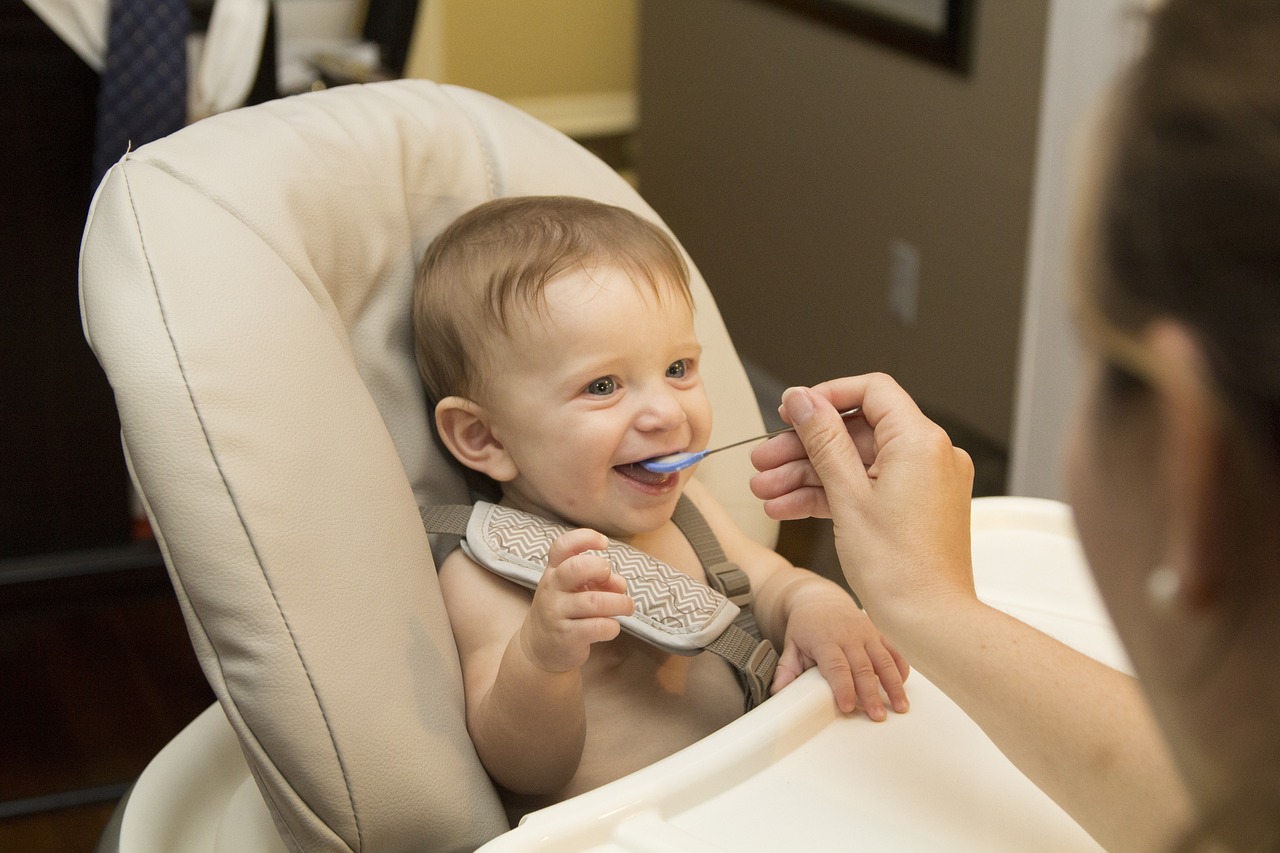
So you’ve finally reached the stage where your little one should be starting to eat solid foods, but they seem to have different plans. It can be frustrating and even concerning when your baby refuses to eat solids, but rest assured, you’re not alone. Many parents face this challenge at some point. The important thing is to approach it with understanding and patience. In this article, we’ll explore some possible reasons why your baby might be refusing solids and offer practical tips to help you navigate this phase with ease.
Consult a Pediatrician
Schedule a Visit
If your baby is refusing to eat solids, it may be helpful to consult with a pediatrician. They can provide guidance and address any concerns you may have. Schedule a visit with your pediatrician to discuss the feeding issues and seek professional advice. This will allow you to get a thorough evaluation of your baby’s health and ensure that there are no underlying medical conditions causing the refusal to eat solids.
Discuss Feeding Issues
During your visit with the pediatrician, make sure to discuss the specific feeding issues you are experiencing with your baby. Explain the refusal to eat solids and any concerns you have about their nutrition and development. The pediatrician will be able to ask further questions and gather information to determine the best course of action. They may offer suggestions on how to address the feeding difficulties and recommend appropriate strategies to encourage your baby to eat solids.
Rule Out Medical Conditions
In some cases, there may be medical conditions that are contributing to your baby’s refusal to eat solids. Your pediatrician will be able to assess your baby’s overall health and determine if there are any underlying medical factors that need to be addressed. They may order additional tests or refer you to a specialist for further evaluation. By ruling out any medical conditions, you can have peace of mind knowing that your baby’s reluctance to eat solids is not due to an underlying health issue.
Observe Baby’s Behavior
Analyze Feeding Patterns
To understand why your baby is refusing to eat solids, take some time to closely observe their feeding patterns. Notice if there are any specific triggers or patterns that seem to influence their behavior. Pay attention to the time of day, the environment, and any other factors that may be impacting their willingness to try solid foods. By analyzing their feeding patterns, you can gain insights into what may be causing the refusal and tailor your approach accordingly.
Monitor Weight Gain
Another important aspect to consider is your baby’s weight gain. If they are refusing to eat solids, monitor their weight over time to ensure that they are still growing and developing properly. By regularly weighing your baby and keeping track of their growth, you can have a better understanding of their nutritional needs and make informed decisions about their diet. Consult with your pediatrician if you notice any significant changes or weight loss in order to address the issue promptly.
Check for Discomfort
Sometimes, babies may refuse solid foods due to discomfort or pain. Check for any signs of discomfort during feeding, such as excessive fussiness, crying, or refusing to open their mouth. This could indicate teething or other issues that may be causing discomfort while eating. If you suspect that discomfort is a contributing factor, consult with your pediatrician to explore potential solutions and alleviate your baby’s discomfort during feeding.

Check Food Temperature
Ensure Optimal Temperature
One possible reason why your baby is refusing to eat solids is the temperature of the food. Babies have sensitive mouths and may prefer foods that are neither too hot nor too cold. It is important to ensure that the temperature of the food is optimal and suitable for your baby. Test the temperature of the baby food by dabbing a small amount on the inside of your wrist before offering it to your baby. It should be warm, but not hot. Adjusting the temperature of the food can make it more appealing and enjoyable for your baby.
Avoid Extreme Hot or Cold
Extreme temperatures, whether food that is too hot or too cold, can be off-putting for babies and may cause them to refuse solids. Avoid serving extremely hot or cold foods to your baby. Allow the food to cool down or warm up to an appropriate temperature before offering it. By avoiding extreme temperatures, you can ensure that your baby is comfortable and more willing to eat solids.
Experiment with Different Textures
Introduce Smooth Purees
When starting solids, it is recommended to begin with smooth purees. These are easy for babies to swallow and require minimal chewing. Start by introducing single-ingredient purees, such as mashed bananas or pureed sweet potatoes. Gradually increase the variety of fruits and vegetables to expose your baby to different flavors and textures. By starting with smooth purees, you can provide a gentle transition from a liquid diet to solid foods.
Try Mashed or Semi-Solid Foods
As your baby becomes more comfortable with smooth purees, you can gradually introduce mashed or semi-solid foods. These foods have a slightly thicker consistency and require more chewing. Experiment with mashed avocados, cooked peas, or finely mashed steamed carrots. By offering a range of textures, your baby can develop their chewing skills and become more accustomed to different food consistencies.
Offer Finger Foods
As your baby progresses in their solid food journey, it is important to introduce finger foods. These foods, such as small pieces of soft fruits or cooked vegetables, allow your baby to practice self-feeding and develop their fine motor skills. Offer bite-sized pieces of food that are easy to pick up and chew. Encourage exploration and self-feeding by placing the finger foods within reach and allowing your baby to feed themselves as much as possible.

Introduce a Variety of Flavors
Add Mild Herbs and Spices
To make solid foods more appealing and interesting for your baby, consider adding mild herbs and spices. Start with small amounts of herbs like thyme or basil to enhance the flavors of purees or mashed foods. Introducing different tastes can help develop your baby’s palate and make mealtime a more enjoyable experience. However, always ensure that the herbs and spices you use are appropriate for your baby’s age and do not contain any potential allergens.
Combine Different Ingredients
Another way to introduce a variety of flavors is by combining different ingredients in your baby’s meals. Mix fruits and vegetables together or combine different types of purees to create new tastes. For example, mix pureed apples with mashed sweet potatoes or blend peas with carrots. These combinations can provide a wider range of nutrient-rich options and help prevent your baby from becoming bored with their meals.
Offer Different Fruits and Vegetables
Aim to offer a wide variety of fruits and vegetables to your baby. Each fruit and vegetable carries its unique nutritional benefits and flavor profile. Experiment with different options such as pureed pears, mashed strawberries, or steamed broccoli. By exposing your baby to a diverse range of fruits and vegetables, you can help expand their palate and promote a healthy, well-rounded diet.
Create a Positive Feeding Environment
Establish Routine and Schedule
Babies thrive on routine, and establishing a consistent feeding routine can be beneficial when introducing solids. Set regular mealtimes and create a predictable schedule for your baby’s meals. This can help them develop a sense of familiarity and expectation, making mealtimes more enjoyable and encouraging their willingness to eat solids. Ensure that feeding times are not too close to nap times or when your baby is overly tired, as they may be less interested in eating.
Eliminate Distractions
To create a positive feeding environment, it is important to eliminate distractions during mealtime. Find a quiet and calm space where you can focus on feeding your baby. Turn off the television, put away electronic devices, and limit noise and other distractions. By creating a peaceful environment, you can help your baby stay focused on their meal and minimize any potential disruptions.
Encourage Family Meals
Incorporating your baby into family meals can help establish a positive feeding environment. Sit together at the table and make mealtime a social experience. Encourage your baby to observe and imitate family members as they eat. This can create a sense of togetherness and make mealtimes more enjoyable for your baby. Additionally, observing others eating solids can serve as a positive role model for your baby and encourage their own eating behavior.

Make Mealtime Fun
Use Colorful Plates and Utensils
Babies are more likely to be attracted to visually appealing objects, and using colorful plates and utensils can make mealtimes more engaging. Consider using brightly colored plates, bowls, and spoons to serve your baby’s food. Choose utensils with fun shapes or incorporate animal-themed designs. These visual cues can spark their interest and make the mealtime experience more enjoyable.
Offer Food in Different Shapes
Just like adults, babies can appreciate variety in their meals. Experiment with different shapes and presentations of food to keep mealtime interesting. Use cookie cutters to cut fruits and vegetables into fun shapes, or arrange finger foods into patterns on the plate. Creating visually appealing meals can capture your baby’s attention and make them more receptive to trying new foods.
Sing or Play Games during Feeding
To make mealtime a fun and engaging experience, incorporate singing or playing games while feeding your baby. Sing nursery rhymes or play soft music in the background to create a soothing atmosphere. You can also engage your baby by playing peek-a-boo or making silly faces during feeding. These interactive activities can help distract your baby from any reluctance to eat solids and create positive associations with mealtime.
Lead by Example
Eat Solids in Front of the Baby
Babies learn by observation, and seeing others eat can greatly influence their own eating habits. To encourage your baby to eat solids, make sure to eat solid foods in front of them. Sit together at the table and enjoy your own meal while your baby is present. This can pique their curiosity and motivate them to mimic your actions. Seeing you eat solids can also help normalize the behavior and make it more appealing for your baby.
Show Enthusiasm and Enjoyment
Your attitude and enthusiasm towards mealtime can have a significant impact on your baby’s willingness to eat solids. Show excitement and enjoyment while serving and eating solid foods. Smile, make positive comments, and praise your baby’s efforts during feeding. By displaying a positive attitude, you can create a positive feeding environment and encourage your baby to participate more willingly.
Share Positive Eating Experiences
Another way to lead by example is by sharing positive eating experiences with your baby. Talk about the flavors and textures of the foods you are eating, and express enjoyment. Offer small tastes of your own meal to your baby, allowing them to experience a variety of tastes and textures. These shared experiences can help foster a positive relationship with food and encourage your baby to explore new flavors.

Respect Baby’s Appetite
Avoid Force-Feeding
Respecting your baby’s appetite is crucial when introducing solids. Avoid force-feeding or pressuring your baby to eat more than they are comfortable with. This can create negative associations with food and cause mealtime stress. Instead, offer small portions of food and let your baby explore and eat at their own pace. Trust their hunger cues and allow them to indicate when they are full or no longer interested in eating.
Allow Self-Feeding
Giving your baby the opportunity to practice self-feeding is important for their development and autonomy. As they become more comfortable with solid foods, encourage them to feed themselves. Offer foods in small, manageable pieces that they can pick up and bring to their mouth independently. This allows them to explore different textures, develop their fine motor skills, and establish a sense of control over their eating experience.
Trust Baby’s Hunger Cues
Babies have natural hunger and fullness cues, and it is important to respect and trust these cues. They may eat more on some days and less on others, which is perfectly normal. Pay attention to your baby’s signals and respond accordingly. If they show signs of fullness or disinterest in eating, avoid pushing them to continue. Trusting your baby’s hunger cues can help establish a healthy relationship with food and ensure that they meet their nutritional needs.
Keep Trying
Be Patient and Persistent
Introducing solids can be a gradual process, and it is important to be patient and persistent. Your baby may initially resist or show little interest in solid foods, but this is normal. It can take several attempts before they develop a taste for new flavors and textures. Be consistent in offering a variety of foods and flavors, and remain patient even if your baby rejects them at first. With time and repeated exposure, they may become more willing to try and enjoy solids.
Introduce Solids Gradually
When introducing solids, it is recommended to start with small amounts and gradually increase the variety and quantity over time. Begin with one new food at a time and allow several days to observe your baby’s response and potential allergic reactions. As they become more familiar with different foods, you can introduce a wider range of options. Gradual introduction ensures that your baby adjusts well to solid foods and helps identify any potential allergies or sensitivities.
Seek Support from Other Parents
If you are feeling overwhelmed or have concerns about your baby’s refusal to eat solids, seek support from other parents or caregivers. Join local parenting groups or online communities where you can share your experiences, ask questions, and gain insights from others who may have faced similar challenges. This support network can offer reassurance, advice, and helpful tips to navigate the journey of introducing solids to your baby.
In conclusion, if your baby is refusing to eat solids, it is essential to consult a pediatrician and address any potential medical conditions. By carefully observing your baby’s behavior, creating a positive feeding environment, and introducing a variety of flavors and textures, you can encourage their willingness to eat solids. Lead by example, respect your baby’s appetite, and remain patient and persistent throughout the process. And remember, seeking support from other parents can provide valuable guidance and reassurance along the way.
