

If you’ve ever found yourself wondering what to do when your baby starts tugging at their ears, you’re not alone. This common concern can cause worry among parents, but fear not! In this article, we’ll explore the possible reasons behind this behavior and provide you with some helpful tips on how to address it. So, take a deep breath, relax, and let’s get to the bottom of why your little one may be pulling at their ears.
Check for Common Causes
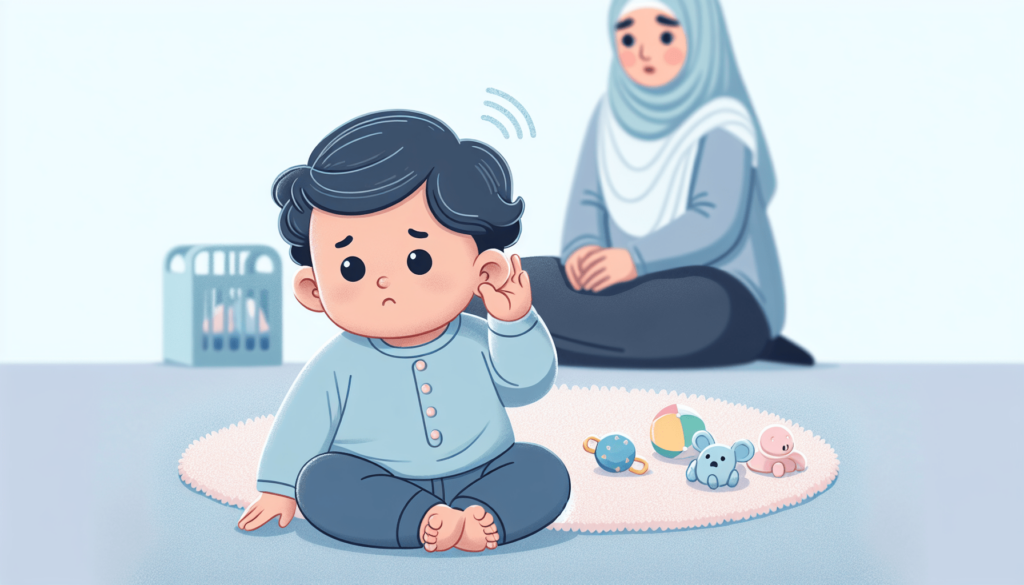
If you notice that your baby is repeatedly pulling at their ears, it’s important to consider the common causes that could be contributing to this behavior. Ear infection is a common culprit, especially if your baby has been showing signs of discomfort such as fussiness or irritability. Teething can also cause ear-pulling as the pain and discomfort from emerging teeth can radiate to the ears. Another possible cause is a blocked ear, which can occur due to congestion or excessive earwax buildup. Lastly, your baby may be pulling at their ears due to irritation or itchiness, which could be caused by allergies or dermatological issues.
Observe for Other Symptoms
In addition to ear-pulling, keep an eye out for other symptoms that may accompany this behavior. A fever is often an indicator of an underlying infection, such as an ear infection. If your baby is pulling at their ears and also running a temperature, it’s important to consult with a healthcare professional for a proper evaluation. Excessive crying or irritability can also be a sign that something is amiss, as well as difficulty sleeping or a sudden loss of appetite. These additional symptoms can provide valuable clues as to the cause of your baby’s ear-pulling behavior.
Consult with a Healthcare Professional
While it’s natural to feel concerned when your baby is pulling at their ears, it’s important not to panic. Instead, reach out to a healthcare professional who can provide guidance and support. A pediatrician is a great starting point, as they have experience in diagnosing and treating common childhood conditions. They will be able to examine your baby and determine the underlying cause of their ear-pulling behavior. In some cases, they may refer you to an ear, nose, and throat (ENT) specialist who can provide further evaluation and specialized care. Additionally, if allergies are suspected, an allergist may be consulted to assess and manage your baby’s symptoms.
Home Remedies
While waiting for your healthcare professional appointment or as a complement to the treatment plan, there are several home remedies that you can try to alleviate your baby’s discomfort. Applying a warm compress to the affected ear can help soothe pain and reduce inflammation. Make sure the compress is not too hot to avoid burning your baby’s delicate skin. Over-the-counter pain relief specifically designed for infants can also be administered under the guidance of a healthcare professional. This can help alleviate any discomfort your baby may be experiencing. Keeping the ears clean and dry is essential in preventing further irritation or infection. Gently clean the outer ear with a soft cloth, avoiding inserting anything into the ear canal. Using a humidifier in your baby’s room can also help keep the air moist and prevent the drying out of the ears, which may contribute to itchiness or irritation.
Preventive Measures
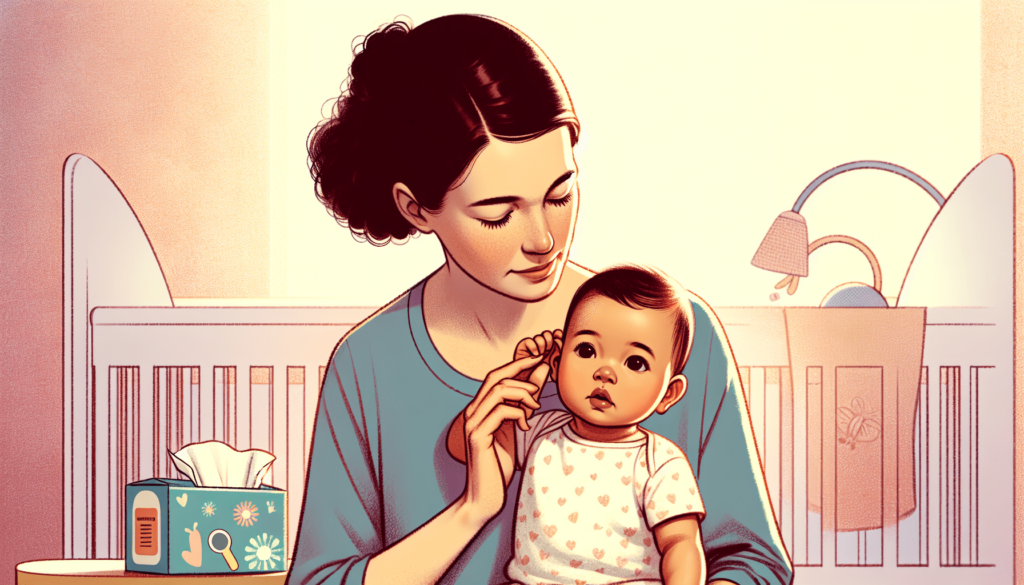
Taking steps to prevent ear-related issues in the future is just as important as addressing the current situation. Breastfeeding your baby, if possible, provides them with immunity-boosting antibodies that can reduce the risk of infections. Additionally, breast milk contains anti-inflammatory properties that may help soothe any discomfort. Avoiding exposure to cigarette smoke is crucial, as secondhand smoke can increase the risk of ear infections and other respiratory issues. Make sure to keep your baby up to date with their vaccinations, as certain vaccines can protect against infections that may contribute to ear-pulling behavior. Lastly, practicing good hygiene, such as regularly washing your hands and ensuring a clean environment for your baby, can help reduce the likelihood of infections and other irritations.
Tips for Soothing Discomfort
When your baby is pulling at their ears, it’s natural to want to provide them with comfort and relief. Rocking or cuddling your baby in your arms can help soothe their distress and create a sense of security. Offering a pacifier or teething toy can provide them with something to chew on, which may alleviate the discomfort associated with teething. Playing soft music or white noise in the background can create a calming atmosphere and help distract your baby from any discomfort they may be experiencing. Engaging in calming activities such as gentle massages or quiet playtime can also help create a relaxing environment for your baby.
When to Seek Immediate Medical Attention
While most cases of ear-pulling in babies are not cause for immediate concern, there are certain situations in which seeking medical attention is necessary. If you notice pus or fluid draining from your baby’s ear, it may be a sign of a more serious infection that requires prompt treatment. Severe ear pain that is persistent and does not seem to improve with home remedies or pain relief should also be evaluated by a healthcare professional. If your baby experiences a significant decrease in hearing or shows signs of repeated ear infections, it is important to seek medical attention for further evaluation and management.
Dos and Don’ts
When it comes to addressing your baby’s ear-pulling behavior, there are certain things you should and should not do. Do keep a watchful eye on your baby and their symptoms, noting any changes or worsening of their condition. Follow the prescribed treatment plan provided by your healthcare professional, as they will guide you on the best course of action specific to your baby’s needs. It is important not to insert any objects into your baby’s ear in an attempt to alleviate their discomfort. This can risk damaging the delicate structures of the ear and may worsen the situation. Lastly, don’t ignore persistent symptoms. If your baby’s ear-pulling behavior continues or worsens despite your best efforts, consult with a healthcare professional for further evaluation and guidance.
Additional Considerations
While ear-pulling in babies can often be a sign of discomfort or an underlying issue, it’s important to consider other factors as well. Ear-pulling may be a self-soothing behavior that provides temporary relief from discomfort, even if there is no underlying problem. Teething can also cause referred pain that radiates to the ears, leading to the instinctive act of pulling on them. Additionally, some babies may pull their ears out of curiosity or as part of their exploration of their bodies. However, recurrent or persistent ear infections may require further evaluation to determine if there are any underlying factors contributing to the issue.
Conclusion
If your baby is pulling at their ears, it is essential to assess for other symptoms, consider common causes, and consult with a healthcare professional for an accurate diagnosis and appropriate treatment. While home remedies and preventive measures can help alleviate discomfort and reduce the likelihood of future ear-related issues, immediate medical attention should be sought in cases of severe pain, drainage from the ear, significant hearing loss, or repeated ear infections. By taking the necessary steps to address and manage your baby’s ear-pulling behavior, you can help ensure their comfort and well-being. Remember, it’s always better to err on the side of caution and seek professional advice when in doubt.
