Imagine this scenario: you’re spending a quiet evening with your adorable little bundle of joy, when suddenly, the unthinkable happens – your baby starts choking. Panic sets in and you’re left wondering what to do next. But fear not, dear reader, because in this article, we will guide you through the steps you need to take in case of such a frightening situation. From recognizing the signs of choking to performing life-saving techniques, we’ve got you covered. So sit back, relax, and equip yourself with the knowledge that could potentially save your baby’s life.
Step 1: Stay calm and assess the situation
Stay calm and avoid panicking
In any emergency situation, it’s crucial to remain calm. Your baby is looking to you for reassurance and guidance, so it’s important to stay composed to provide the necessary assistance. Take a deep breath and remember that you have the ability to handle this situation.
Determine if your baby is actually choking
Sometimes, infants can exhibit symptoms that resemble choking but may not actually be choking. It is important to assess the situation accurately before taking action. Look for signs such as difficulty breathing, coughing, gagging, or a change in color, particularly around the lips and face. If the baby can cough, cry, or make any noise, it means the airway is only partially blocked, and you can assist them in removing the obstruction.
Step 2: Perform back blows and chest thrusts for infants (under 1 year)
Position your baby on your forearm
To perform back blows and chest thrusts, you need to position your baby correctly. Lay your baby face down along the length of your forearm while providing support to their head and neck. Rest your forearm on your thigh or lap to stabilize the baby.
Gently deliver back blows
With your baby’s head lower than their chest, use the heel of your hand to deliver firm but gentle back blows between the shoulder blades. Ensure you provide adequate support to their head and neck while doing so. The force of the blows should be sufficient to dislodge the object causing the choking.
Perform chest thrusts if back blows don’t work
If back blows fail to remove the obstruction, it is important to perform chest thrusts. Flip your baby onto their back, placing two fingers just below the nipple line on their breastbone. Apply gentle pressure inward and upward, repeating this motion until the object is dislodged. It is crucial to avoid using excessive force as it may cause harm.
Step 3: Perform abdominal thrusts for children over 1 year
Stand behind the child
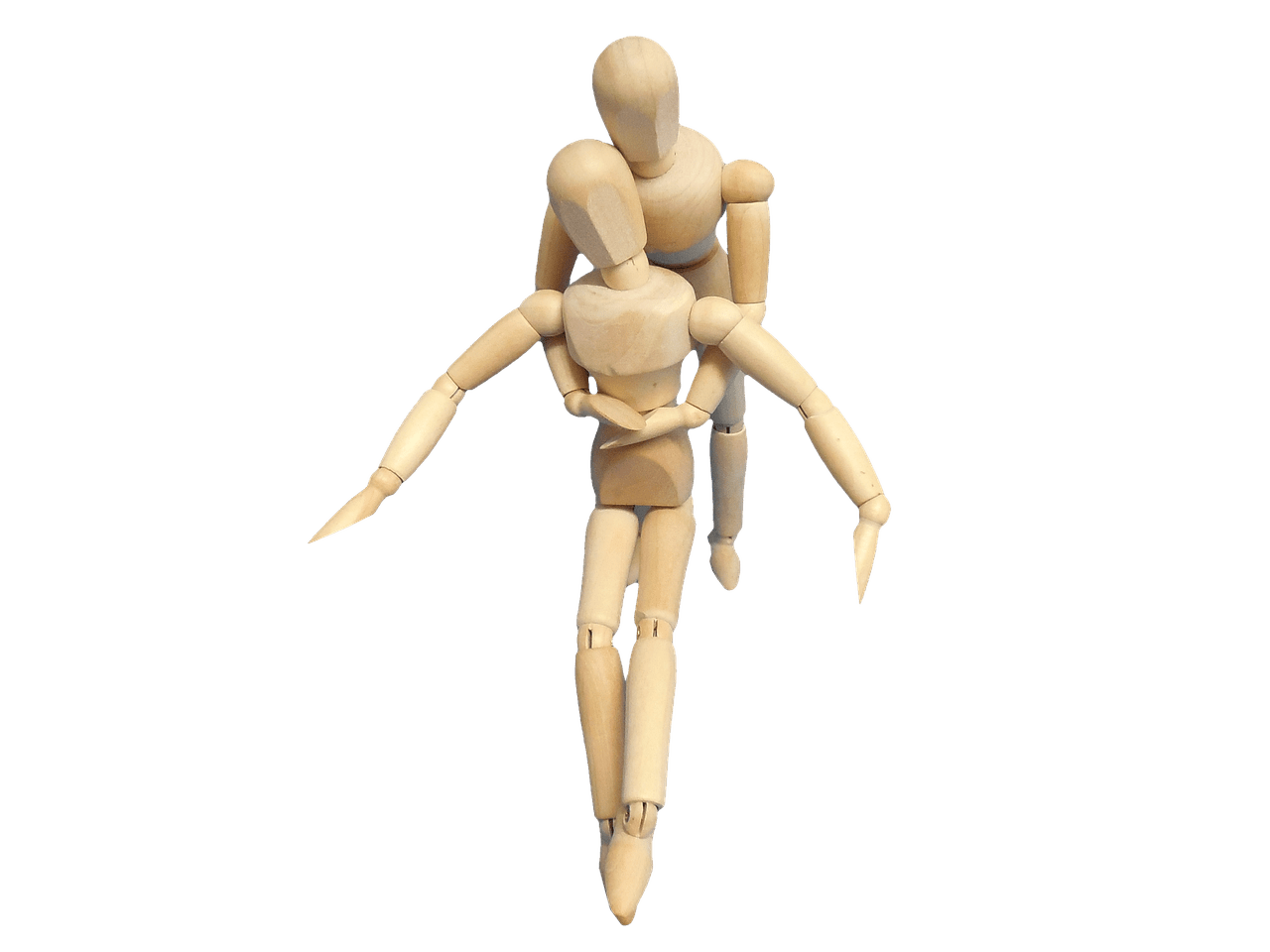
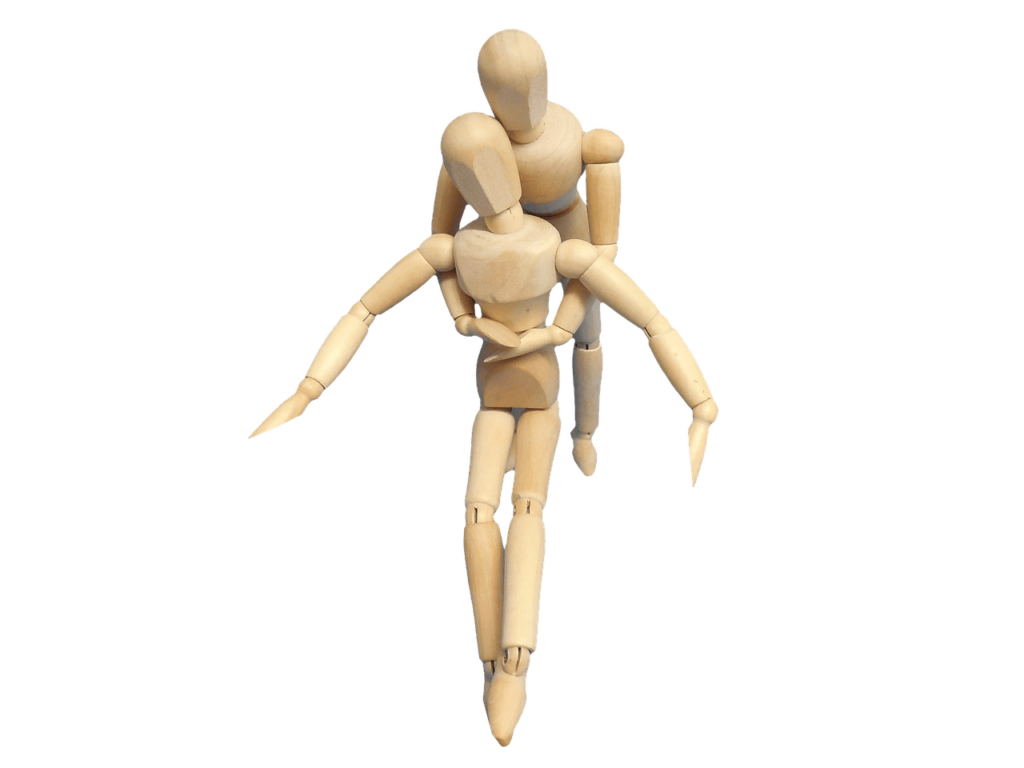
As your child grows older and their body proportions change, a different technique is required to dislodge an obstruction. Stand behind the child and position your legs between their legs. Lean the child forward slightly to provide support.
Place your fist above the navel
Locate the child’s navel and place your fist slightly above it. Ensure your grip is secure but not too tight to avoid causing harm. Remember to place your other hand on top of your fist to provide extra stability.
Deliver quick upward thrusts
Using a quick and upward motion, exert pressure on the abdomen with your fist. Each thrust should be firm enough to dislodge the object blocking the airway. Repeat the thrusts until the obstruction clears or until professional medical help arrives.
Step 4: Call emergency services if necessary
If your baby becomes unconscious
If your baby becomes unconscious during the choking episode, it is crucial to call emergency services immediately. To ensure a prompt response, have someone else call for help while you continue providing first aid.
If the choking persists after attempting first aid
In some cases, the obstruction may not be immediately dislodged despite your best efforts. If this happens, it’s important to call emergency services for assistance. They will guide you further and provide the necessary help.

Step 5: Continue providing first aid until help arrives
Continue performing back blows and chest thrusts for infants
If your baby remains conscious but the choking persists, you should continue alternating between back blows and chest thrusts. Each cycle of back blows and chest thrusts should be repeated until the object is dislodged or until emergency help arrives.
Continue performing abdominal thrusts for children over 1 year
Similarly, if your child over 1 year of age is still choking, it is important to continue with the abdominal thrusts until professional help arrives. The consistent application of this technique can help dislodge the obstruction effectively.
Step 6: Seek medical attention even if the object is dislodged
Even if the object is removed, consult a healthcare professional
After successfully removing the obstructing object, it is crucial to seek medical attention for your baby or child. This is necessary to ensure that there are no residual issues or potential complications resulting from the choking episode. A healthcare professional will be able to assess your child’s condition and provide any required follow-up care.
Monitor your baby for any signs of distress
Even after the choking episode is resolved, it is important to closely monitor your baby for any signs of distress. Keep a watchful eye on their breathing patterns, color, and overall well-being. If you notice any troubling symptoms, seek immediate medical attention.
Step 7: Learn infant and child CPR
Consider completing a CPR certification course
While choking incidents can be terrifying, it’s important to be prepared for any emergency situation involving your baby or child. Consider completing a CPR certification course that specifically covers infants and children. This training equips you with the knowledge and skills needed to perform life-saving techniques in moments of crisis.
Knowing CPR can be invaluable in emergencies
CPR, or cardiopulmonary resuscitation, is a critical skill that can be invaluable in emergencies. It involves a combination of chest compressions and rescue breaths that help restore blood circulation and oxygenation in the body. Knowing how to perform infant and child CPR can make a tremendous difference in saving a life.
Step 8: Create a baby-proof environment
Prevent future choking incidents by baby-proofing your home
Prevention is always better than a cure, especially when it comes to the safety of your baby or child. Take proactive measures to create a baby-proof environment by identifying potential choking hazards and removing them from your child’s reach. This includes securing furniture, covering electrical outlets, and installing safety gates to restrict access to certain areas.
Keep small objects out of reach
One of the most important aspects of baby-proofing is keeping small objects out of reach. Babies and young children have a natural curiosity, and they tend to put objects in their mouths. Be diligent about picking up small items, such as coins, buttons, or small toys, that can pose a choking hazard. Regularly inspect the floor and surfaces, ensuring there are no potential dangers within reach.
Step 9: Be vigilant and educate yourself on choking hazards
Stay informed about foods and objects that pose a choking risk
As your baby grows, their dietary needs will evolve, and new foods will be introduced. It is important to stay informed about foods that pose a choking risk to infants and young children. Educate yourself on proper food preparation techniques, appropriate serving sizes, and how to cut food into safe sizes to avoid choking incidents.
Stay updated on the latest safety guidelines
Safety guidelines and best practices evolve over time, so it is essential to stay updated. Keep yourself informed about the latest recommendations from reputable sources, such as healthcare organizations and government agencies. This will enable you to take the necessary precautions and ensure the safety of your baby or child.
Step 10: Teach others how to respond to choking emergencies
Share your knowledge with caregivers, family members, and friends
It’s important to share your knowledge and skills with those who are involved in your baby or child’s care. This includes caregivers, family members, and friends. By educating others on how to respond to choking emergencies, you create a network of support and increase the chances of a positive outcome in case an incident occurs.
Encourage others to learn and practice first aid techniques
Encourage those around you to learn and practice first aid techniques, including CPR and proper choking response. By promoting a culture of safety and preparedness, you contribute to a safer environment for your baby or child. Remember, emergencies can happen anywhere, at any time, so it’s essential for everyone to be equipped with life-saving skills.
By following these steps, staying calm, and being prepared, you can effectively respond to a choking emergency involving your baby or child. Taking proactive measures to prevent choking incidents and educating yourself on safety guidelines further enhances the safety and well-being of your little one. Remember, it’s always better to be prepared than to panic in a crisis.