

Oh no! It’s every parent’s worst nightmare when their little bundle of joy develops a rash. Suddenly, a wave of panic washes over you as you wonder what could be causing it and how to provide relief for your precious baby. In this article, we will guide you through the steps to take when faced with the daunting task of dealing with a baby’s rash. From identifying the type of rash to providing soothing remedies, we’ve got you covered. So, let’s put your worries at ease and empower you with the knowledge to take care of your little one’s delicate skin.
Identify the Type of Rash
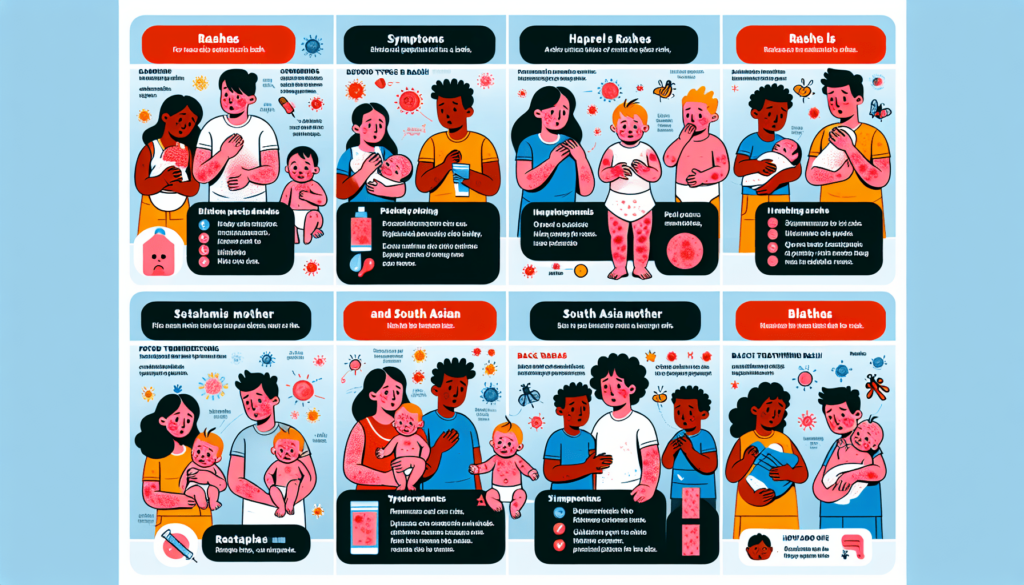
Having a rash can be common for babies, but it’s important to first identify the type of rash your baby has before proceeding with any treatments. Some common types of rashes in babies include diaper rash, eczema, heat rash, allergic reactions, infections (bacterial, fungal, or viral), contact dermatitis, and insect bites or stings. By familiarizing yourself with these types of rashes, you can better understand and address your baby’s skin condition.
If you are unsure about the nature of the rash, it’s always a good idea to consult a pediatrician. They have the knowledge and expertise to properly diagnose and treat rashes in babies. They will be able to provide you with a more accurate assessment and guide you on the next steps to take. It’s better to be safe and seek professional advice if you are unsure about your baby’s rash.
In addition to identifying the rash, it’s crucial to take note of any accompanying symptoms. Look out for signs such as itching, redness, swelling, blisters, or oozing. These symptoms can provide valuable information to the pediatrician and help them determine the underlying cause of the rash.
Evaluate the Severity of the Rash
Once you have identified the type of rash, it’s important to evaluate the severity of the rash. This will help you determine the best course of action for managing and treating it. Here are some factors to consider when evaluating the severity of the rash:
-
Observe the extent of rash coverage: Take note of how much of your baby’s body is affected by the rash. Is it localized to a specific area or does it spread across multiple areas?
-
Check for signs of infection: Look for any signs of infection, such as pus-filled blisters, increased redness, warmth around the rash, or fever. If you suspect an infection, seek medical attention promptly.
-
Assess the level of discomfort for the baby: Pay attention to how the rash is affecting your baby. Are they experiencing significant itching, pain, or discomfort? If the rash is causing your baby distress, it’s important to address it promptly.
By evaluating the severity of the rash, you can determine the appropriate course of action to take in terms of home remedies and treatments.

Home Remedies and Symptom Management
While it’s important to consult a pediatrician for an accurate diagnosis and treatment plan, there are some home remedies and symptom management techniques you can try to alleviate your baby’s discomfort. Here are some recommendations:
-
Keep the affected area clean and dry: Gently clean the rash with mild soap and water, and pat dry with a soft towel. Ensuring that the affected area is clean and dry can help prevent further irritation and infection.
-
Apply a gentle, hypoallergenic moisturizer: Using a hypoallergenic moisturizer can help soothe dry and irritated skin. Look for products specifically formulated for sensitive baby skin.
-
Use cold compresses to relieve itching: Applying a cold compress or a clean, damp cloth to the affected area can provide temporary relief from itching and inflammation.
-
Avoid using harsh soaps or detergents: Harsh soaps or detergents can further irritate your baby’s sensitive skin. Opt for gentle, fragrance-free products specifically designed for baby’s delicate skin.
-
Dress the baby in loose, breathable clothing: Choose clothing made from natural fabrics like cotton that allow the skin to breathe and prevent further irritation.
-
Trim the baby’s nails to prevent scratching: Babies have sharp nails that can cause damage if they scratch their rashes. Keeping their nails trimmed short can minimize the risk of further irritation or infection.
-
Ensure proper hydration for the baby: Keeping your baby well-hydrated can help maintain healthy skin. Offer frequent breast milk or formula feeds, especially during hot weather or if your baby has a fever.
-
Keep the baby in a cool and comfortable environment: Excessive heat and sweat can worsen some types of rashes. Ensure that your baby is kept in a cool and comfortable environment to minimize discomfort and irritation.
-
Use over-the-counter diaper rash creams or ointments: If your baby has a diaper rash, using over-the-counter diaper rash creams or ointments can help provide relief and protect the skin.
-
Try natural remedies like oatmeal baths or chamomile tea: Oatmeal baths and chamomile tea can have soothing effects on your baby’s skin. Consult with your pediatrician before using any natural remedies.
Remember to always consult with your pediatrician before trying any home remedies, especially if your baby’s rash persists or worsens.
When to Seek Medical Attention
While many rashes can be managed at home, there are certain situations where it is crucial to seek medical attention for your baby. Here are some signs that indicate the need for immediate medical attention:
-
If the rash worsens or spreads rapidly: If the rash shows no signs of improvement or starts spreading to other parts of the body, it may indicate an underlying condition that requires medical treatment.
-
Presence of high fever or other alarming symptoms: If your baby develops a high fever along with the rash, or exhibits other concerning symptoms such as difficulty breathing, lethargy, or persistent crying, seek medical attention immediately.
-
If the baby shows signs of severe discomfort or pain: If your baby’s rash is causing significant distress and discomfort, it’s important to consult a pediatrician. They can provide appropriate medication or treatments to alleviate your baby’s pain.
Remember, as a parent, it’s important to trust your instincts and seek medical attention if you feel that your baby’s condition requires professional care. It’s always better to be safe than sorry when it comes to your baby’s health.

Visiting a Pediatrician
If your baby’s rash warrants a visit to the pediatrician, here are some steps to follow:
-
Schedule an appointment with a pediatrician: Call your pediatrician’s office and explain the situation, requesting an appointment as soon as possible. Inform them about the rash and any accompanying symptoms.
-
Describe the rash and any accompanying symptoms: Provide a detailed description of the rash, including its appearance, location, and any other symptoms your baby is experiencing. This information will help the pediatrician make an accurate diagnosis.
-
Provide the pediatrician with relevant medical history: Inform the pediatrician about your baby’s medical history, including any allergies, previous skin conditions, or treatments. This information can assist the pediatrician in making an appropriate diagnosis and treatment plan.
-
Allow the pediatrician to conduct a thorough examination: During the appointment, the pediatrician will examine your baby’s rash and evaluate its severity. They may ask additional questions to gather more information. Be prepared to answer these questions and allow the pediatrician to complete a comprehensive assessment.
-
Follow the pediatrician’s advice and prescribed treatments: Based on the examination and diagnosis, the pediatrician will provide guidance on the next steps. They may prescribe medication, recommend lifestyle changes, or refer you to a specialist if necessary. It is important to follow their advice and adhere to the prescribed treatments for the best outcome.
Common Causes of Baby Rashes
Understanding the common causes of baby rashes can help identify triggers and prevent future occurrences. Here are a few common causes of baby rashes:
-
Diaper rash: Diaper rash is one of the most common rashes in babies and is caused by prolonged exposure to moisture, urine, or feces. It can be prevented by changing diapers frequently and keeping the diaper area clean and dry.
-
Eczema: Eczema is a chronic condition characterized by red, itchy, and inflamed skin. It can be triggered by allergens, irritants, or genetic factors. Avoiding triggers and using gentle, moisturizing products can help manage eczema.
-
Heat rash: Heat rash occurs when sweat ducts become blocked, leading to small red bumps or blisters. Dressing your baby in lightweight, breathable clothing and keeping them cool can help prevent heat rash.
-
Allergic reactions: Babies can develop allergic reactions to certain foods, medications, or substances like pollen or pet dander. Avoiding allergens and discussing potential triggers with your pediatrician can help manage allergic reactions.
-
Infections (bacterial, fungal, or viral): Infections can cause various types of rashes in babies. Common examples include impetigo (bacterial infection), candidiasis (fungal infection), and viral exanthem (viral infection). Timely medical treatment is necessary to address these infections.
-
Contact dermatitis: Contact dermatitis occurs when the skin comes into contact with an irritant or allergen. Common irritants include soaps, detergents, fragrances, or certain fabrics. Avoiding triggers and using gentle products can help prevent contact dermatitis.
-
Insect bites or stings: Insect bites or stings can cause localized rashes and irritation. Minimizing your baby’s exposure to insects, using protective measures (such as mosquito netting), and using insect repellents suitable for babies can help prevent insect bites.
Understanding the common causes of baby rashes can assist in prevention, management, and treatment. However, if your baby develops a rash, it’s important to seek professional medical advice for an accurate diagnosis and appropriate treatment.

Preventive Measures
While some rashes are unavoidable, there are preventive measures you can take to reduce your baby’s risk of developing rashes. Here are some tips:
-
Change diapers frequently and keep the area clean: Regularly changing diapers and ensuring that the diaper area is clean and dry can minimize the risk of diaper rash.
-
Use hypoallergenic or fragrance-free products: Opt for hypoallergenic or fragrance-free diapers, wipes, soaps, and lotions to minimize the risk of skin irritation.
-
Avoid overheating the baby: Overheating can exacerbate certain types of rashes. Keep your baby in a cool and well-ventilated environment, dress them in lightweight clothing, and avoid excessive bundling.
-
Practice proper hand hygiene: Regularly washing your hands before handling your baby can help prevent the transmission of irritants or infections.
-
Minimize exposure to potential allergens: If your baby has known allergies, take proactive steps to minimize their exposure to potential triggers. This may include avoiding certain foods, eliminating allergens from the home environment, or using air purifiers.
-
Keep the baby away from insect-prone areas: If you live in an area with high insect activity, take measures to protect your baby from insect bites, such as using protective clothing, applying baby-safe insect repellent, or keeping them indoors during peak times.
-
Seek timely medical treatment for infections: If your baby has an infection or shows signs of an infection, seek medical treatment promptly. Timely intervention can prevent the spread of the infection and minimize its impact on your baby’s overall health.
By implementing these preventive measures, you can reduce your baby’s risk of developing rashes and other skin conditions.
Importance of Proper Diagnosis
Obtaining a proper diagnosis from a healthcare professional is crucial when addressing your baby’s rash. Here are some reasons why proper diagnosis is important:
-
Determines the appropriate treatment: Different types of rashes require different treatment approaches. A proper diagnosis will help your pediatrician determine the most effective treatment plan for your baby’s specific rash.
-
Avoids unnecessary use of medications: Without a proper diagnosis, you may end up using medications or remedies that are not suitable for your baby’s condition. This can potentially worsen the rash or cause unwanted side effects.
-
Identifies underlying health conditions: Sometimes, a rash can be a symptom of an underlying health condition. By getting a proper diagnosis, the pediatrician can identify any potential underlying issues and provide appropriate care.
-
Ensures proper care and management of the rash: A proper diagnosis will guide you on how to care for your baby’s rash correctly. This includes specific instructions for cleaning, moisturizing, and preventing further irritation or infection.
By seeking a proper diagnosis, you can ensure that your baby receives the necessary care and treatment for their rash, leading to a faster recovery and improved overall well-being.
Maintaining Skin Health
Preventive measures and proper care play a vital role in maintaining your baby’s skin health. Here are some tips for maintaining healthy skin in babies:
-
Follow a regular bathing routine: Bathe your baby regularly using lukewarm water and mild, fragrance-free baby cleanser to keep their skin clean. Avoid excessive scrubbing, as it can strip away natural oils.
-
Use mild and non-irritating baby products: Choose baby products that are specifically formulated for sensitive skin and free from harsh chemicals or fragrances. This helps minimize the risk of irritation, dryness, and rashes.
-
Moisturize the baby’s skin regularly: Gently massage a hypoallergenic, fragrance-free moisturizer onto your baby’s skin to maintain moisture and prevent dryness. Pay extra attention to areas prone to dryness, such as the face, elbows, and knees.
-
Protect the baby’s skin from excessive sun exposure: Babies have delicate skin that is highly susceptible to damage from the sun’s rays. Keep your baby out of direct sunlight, dress them in protective clothing, and use baby-safe sunscreen on exposed areas if necessary.
-
Keep the baby well-hydrated: Ensure that your baby is adequately hydrated by offering frequent breast milk or formula feeds. Proper hydration helps maintain healthy skin.
-
Promote a balanced diet for optimal skin health: As your baby starts eating solid foods, introduce a variety of nutritious foods to promote overall skin health. Include foods rich in vitamins A, C, and E, as they are essential for maintaining healthy skin.
By following these tips, you can create a healthy skin care routine for your baby, reducing the risk of rashes and promoting overall skin health.
Seeking Support and Advice
Being a parent can sometimes be overwhelming, especially when dealing with your baby’s health. It’s important to seek support and advice from other experienced parents, healthcare professionals, and reputable online resources. Here are some avenues you can explore:
-
Join parent support groups or forums: Online or local parent support groups provide an opportunity to share experiences, seek advice, and find support from other like-minded parents who may have gone through similar situations.
-
Consult with other experienced parents: Seek guidance from friends, family members, or acquaintances who have experience caring for babies. They can share their insights and offer practical tips based on their own experiences.
-
Follow reputable online resources for baby care: Look for established and reliable online resources that provide accurate and evidence-based information on baby care. Trusted websites, blogs, or parenting magazines can be valuable sources of information.
-
Reach out to healthcare professionals when in doubt: Don’t hesitate to reach out to your pediatrician or healthcare provider if you have any concerns or questions about your baby’s health. They are there to provide guidance and support.
Remember that every baby is unique, and what works for one may not work for another. It’s important to find the approach and techniques that work best for you and your baby. Trust your instincts as a parent and seek support when needed.
In conclusion, if your baby has a rash, it’s crucial to identify the type of rash, evaluate its severity, and take appropriate measures to manage it. Home remedies and preventive measures can offer relief and minimize the risk of future rashes. However, it’s important to seek medical attention if the rash worsens, spreads rapidly, or if your baby shows signs of severe discomfort. By working closely with your pediatrician, maintaining good skin care practices, and seeking support when needed, you can ensure the well-being of your baby’s delicate skin.

