
If you find yourself asking this question, rest assured that you are not alone. As a parent, one of the most common concerns is when your baby develops a fever. It can be a worrisome and stressful situation, but fear not! In this article, we will guide you with practical steps and helpful tips on what to do if your little one is running a temperature. So, take a deep breath and let’s tackle this together!
Monitor the Temperature
Use a thermometer
When your baby has a fever, it’s important to monitor their temperature regularly. Using a reliable and accurate thermometer is the best way to get an accurate reading. There are various types of thermometers available, including digital and ear thermometers, so choose one that you find most comfortable and easy to use. Remember to follow the manufacturer’s instructions on how to properly use the thermometer. By monitoring your baby’s temperature, you can keep track of any changes and determine whether their fever is improving or worsening.
Take the temperature at regular intervals
To effectively monitor your baby’s fever, it’s essential to take their temperature at regular intervals. This allows you to observe any fluctuations in their body temperature and provide appropriate care accordingly. The frequency of temperature checks will depend on the severity of your baby’s fever. It is generally recommended to check their temperature every 4 to 6 hours, but consult with your healthcare provider for specific guidance. Be consistent with the timing of temperature checks to ensure accurate tracking of your baby’s fever progression.
Check for Other Symptoms
Look for signs of illness
Aside from a fever, your baby may exhibit other symptoms of illness. Keep an eye out for signs such as coughing, sneezing, runny nose, or red and watery eyes. These symptoms can help you determine if your baby’s fever is related to a common cold, flu, or other underlying conditions. Take note of any unusual changes in your baby’s behavior, such as reduced appetite, increased fussiness, or difficulty sleeping. Being attentive to these symptoms can assist you in identifying the cause of the fever and seeking appropriate medical advice if necessary.
Observe changes in behavior or appearance
Fever can affect your baby’s behavior and appearance, so it’s crucial to stay observant. Look out for signs of lethargy, irritability, excessive crying, or a change in their usual activity level. Pay attention to your baby’s skin color as well, as a pale or flushed complexion may indicate a more serious condition. If you notice any concerning changes or if your baby’s behavior becomes increasingly abnormal, it’s essential to seek medical attention. By closely monitoring your baby’s behavior and appearance, you can ensure their well-being and address any issues promptly.
Offer Fluids
Encourage breastfeeding or bottle-feeding
When your baby has a fever, it’s important to offer them fluids to prevent dehydration. Breast milk or formula provides optimal nutrition and hydration for infants. If your baby is breastfeeding, continue to nurse them on demand. Breast milk contains antibodies that help fight off infections and can provide comfort to your baby during their illness. If your baby is bottle-fed, ensure they are receiving their regular amount of formula. Maintain a consistent feeding schedule to ensure they are adequately nourished and hydrated.
Give small sips of water for older babies
For older babies who have started solid foods, you can also offer small sips of water in addition to their regular milk or formula feeds. Hydration is crucial in combating fever and preventing dehydration. However, it’s essential to offer water in small quantities to avoid overloading their stomach. Use a small cup or a pacifier with a water-filled tip to help them take small sips. Remember not to substitute water for breast milk or formula, as those provide essential nutrients and should remain the primary source of hydration for young babies.
Dress Appropriately
Dress the baby in light clothing
When your baby has a fever, it’s important to dress them appropriately to prevent overheating. Opt for lightweight and breathable clothing that allows air circulation and helps regulate their body temperature. Choose loose-fitting garments made of natural fabrics like cotton, as they are more comfortable and promote airflow. Avoid dressing your baby in heavy layers or synthetic materials that can trap heat and exacerbate their fever. By dressing your baby in light clothing, you can help them stay comfortable and prevent any additional discomfort caused by overheating.
Use a light blanket for comfort
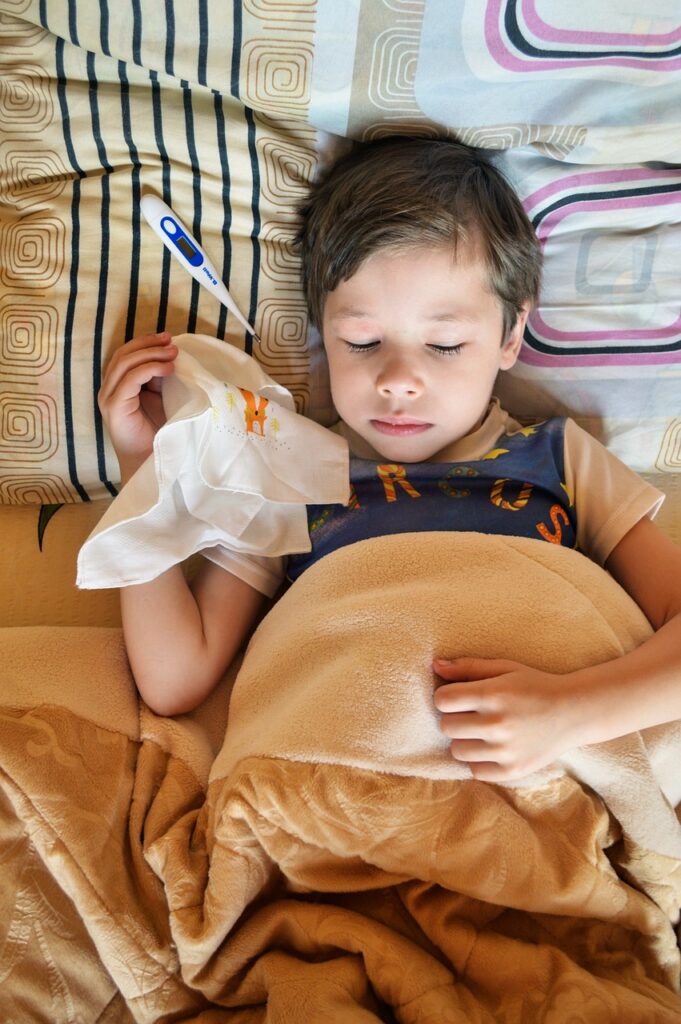
While it’s important to dress your baby in light clothing, you can still provide them with a light blanket for comfort. A lightweight and breathable blanket can provide a sense of security and ease your baby’s discomfort while allowing them to maintain a comfortable body temperature. Opt for a cotton or muslin blanket, which are soft and breathable materials. Ensure the blanket is not too heavy or tightly wrapped, as this can cause overheating. Use the blanket sparingly and be attentive to your baby’s cues of discomfort or excessive heat.
Keep the Environment Comfortable
Maintain a moderate room temperature
To create a comfortable environment for your feverish baby, it’s crucial to maintain a moderate room temperature. Aim for a temperature between 68-72 degrees Fahrenheit (20-22 degrees Celsius) in their sleeping area. Avoid exposing your baby to extreme hot or cold temperatures, as it can worsen their fever or disrupt their sleep. Use a thermometer to monitor the room temperature and adjust it accordingly. If needed, you can also utilize a fan to promote air circulation and regulate the temperature. Creating a comfortable environment can help soothe your baby and support their recovery.
Use a humidifier if the air is dry
Dry air can worsen your baby’s fever and make them feel more uncomfortable. Consider using a humidifier in their room to add moisture and maintain a comfortable level of humidity. A humidifier can help soothe your baby’s respiratory system, especially if they have a cough or congestion due to their illness. Choose a cool-mist humidifier to ensure safety, and clean it regularly to prevent the growth of bacteria or mold. Consult with your healthcare provider before using a humidifier, especially if your baby has any respiratory conditions or allergies.
Provide Comfort Measures
Offer soothing activities
During your baby’s fever, providing them with comforting activities can help distract from their discomfort and provide relief. Engage in gentle playtime, cuddling, or singing lullabies to entertain and soothe your baby. Soft music or white noise can also contribute to a calming environment. Additionally, maintaining a calm and peaceful atmosphere can be beneficial in supporting their recovery. By offering soothing activities, you can help ease your baby’s distress and promote a sense of comfort and well-being.
Use cool compresses for discomfort
If your baby is experiencing discomfort due to their fever, you can use cool compresses to provide relief. Moisten a clean washcloth with cool (not cold) water and gently place it on your baby’s forehead or any other areas where they may feel warm. Avoid using ice packs or extremely cold compresses, as they can be too harsh for your baby’s sensitive skin. Cool compresses can help bring down your baby’s body temperature and provide temporary relief from discomfort.
Administer Medication if Necessary
Consult a healthcare professional
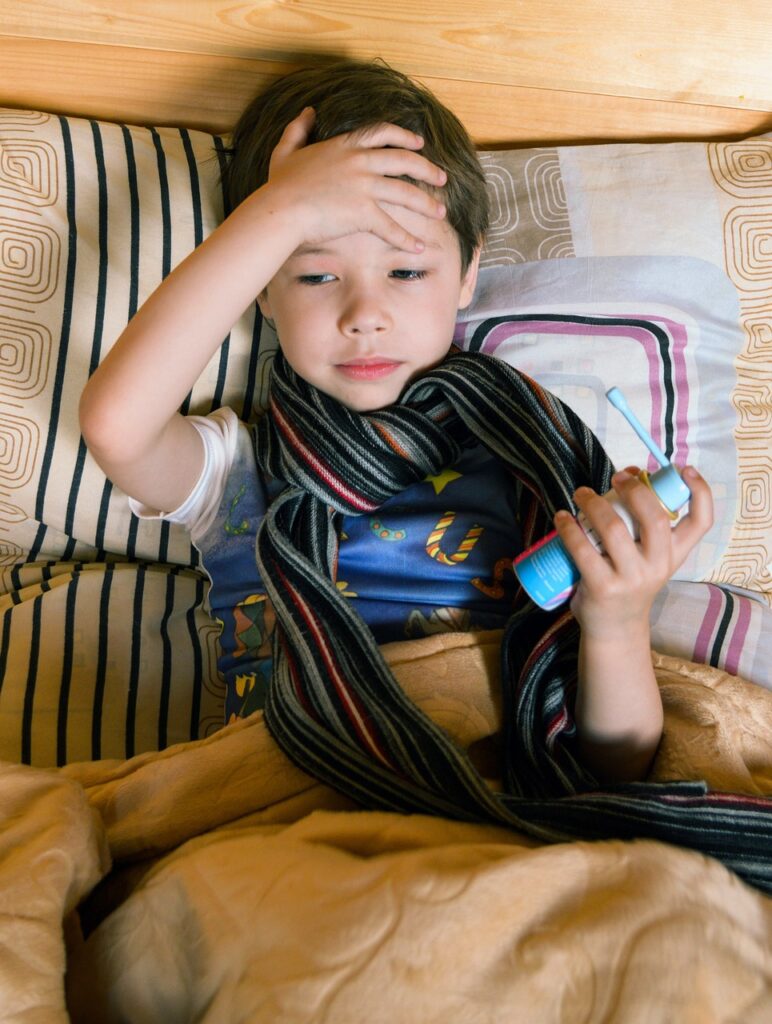
Before administering any medication to your baby, it’s crucial to consult with a healthcare professional. Reach out to your pediatrician or healthcare provider to discuss your baby’s symptoms and seek their guidance. They can advise you on the appropriate medications and dosages for your baby’s age and weight. It’s important to carefully follow their recommendations and ask any questions or concerns you may have regarding the medication. Your healthcare provider will be able to provide the most accurate and personalized advice for your baby’s specific condition.
Follow the recommended dosage
If your healthcare professional recommends medication for your baby’s fever, it’s important to adhere to the recommended dosage guidelines. Use a measuring device provided with the medication or a pediatrician-approved syringe to ensure accurate dosing. Avoid improvising with household spoons or estimating the dosage, as this can lead to incorrect administration. If you are unsure about the dosage or have any concerns, do not hesitate to contact your healthcare provider for clarification. Proper medication administration is essential for managing your baby’s fever effectively.
Seek Medical Attention if Needed
Contact a doctor for high fever or worrisome symptoms
While most fevers in babies are generally harmless and resolve on their own, there are instances when medical attention is necessary. Contact your baby’s doctor if their fever reaches or exceeds 100.4 degrees Fahrenheit (38 degrees Celsius) for infants under three months or if it persists for more than a few days. Additionally, if your baby shows worrisome symptoms such as difficulty breathing, severe lethargy, persistent vomiting, or a rash, seek medical attention promptly. Trust your instincts as a parent and contact your healthcare provider if you have any concerns about your baby’s health.
Follow the healthcare provider’s advice
If your baby’s doctor advises seeking medical attention, it’s crucial to follow their advice and guidance. They may recommend bringing your baby in for an examination to determine the underlying cause of the fever and provide appropriate treatment. Follow their instructions regarding any tests or additional measures that need to be taken. It’s essential to communicate openly with your healthcare provider, share any observations or concerns, and comply with their recommendations. By following their advice, you can ensure your baby receives the necessary care and support for their fever.

Prevent the Spread of Infection
Practice good hygiene
When your baby has a fever, it’s important to take precautions to prevent the spread of infection. Wash your hands thoroughly with soap and water before and after handling your baby or any of their belongings. Use hand sanitizer when soap and water are not readily available. Encourage others, including family members and visitors, to practice good hand hygiene as well. Avoid sharing personal items such as utensils, towels, or pacifiers with your baby, as they can harbor germs. By maintaining good hygiene practices, you can minimize the risk of spreading the infection to yourself or others.
Limit contact with others
To reduce the chances of exposing your baby to additional illnesses, it’s advisable to limit their contact with others, especially if they have a fever. Avoid crowded places or gatherings where your baby may come into contact with individuals who are sick. If possible, keep them at home until their fever subsides to prevent further exposure. Inform caregivers, family members, and friends about your baby’s condition and politely request that they postpone visits until your baby is feeling better. Limiting contact can contribute to a faster recovery and a reduced risk of complications.
Keep a Record
Note down the temperature readings
Maintaining a record of your baby’s temperature readings can provide valuable information for your healthcare provider and help track the progress of their fever. Take note of the date, time, and temperature measurements throughout the day. This record can assist in identifying any patterns or trends in your baby’s fever and help determine the effectiveness of the interventions you have implemented. It can also serve as a useful reference when communicating with your healthcare provider about your baby’s condition.
Record any changes or improvements
In addition to temperature readings, it’s beneficial to record any changes or improvements in your baby’s symptoms and overall well-being. Note down any changes in behavior, appetite, or sleep patterns, as well as any reduction in fever duration or intensity. This information can be crucial when providing updates to your healthcare provider or seeking further medical advice. By keeping a comprehensive record, you can ensure that you have all the necessary information readily available and facilitate informed discussions with your healthcare team.
