

If you’re a new parent or caregiver, ensuring that your baby gets a safe and restful sleep is likely one of your top priorities. But with so much information out there, you may feel overwhelmed and unsure of where to start. In this article, we’ll explore some simple yet essential safe sleep practices for babies that can help create a secure and peaceful sleep environment for your little one. From creating a cozy sleeping space to avoiding potential hazards, you’ll find practical tips and guidelines that will give you peace of mind as you tuck your baby in for a good night’s sleep.
Safe Sleep Environment
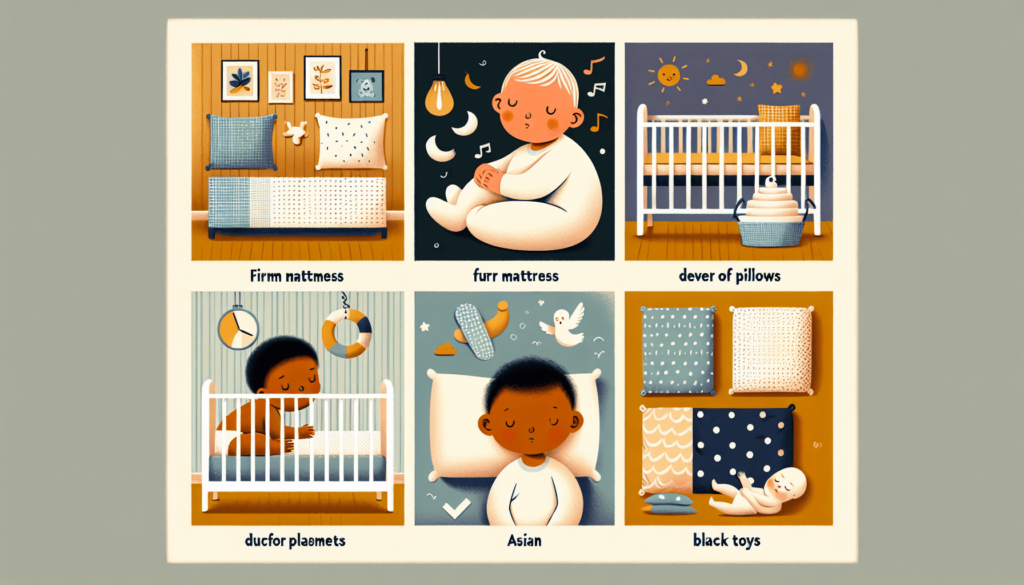
When it comes to ensuring a safe sleep environment for your baby, there are a few key steps you can take. First and foremost, make sure to use a crib or bassinet that meets the safety standards. This provides a secure and designated space for your little one to sleep.
Next, it’s important to choose a firm mattress for the crib or bassinet. A mattress that is too soft can increase the risk of suffocation or Sudden Infant Death Syndrome (SIDS). Opt for a mattress that is firm and fits snugly in the crib or bassinet.
To further minimize the risk of suffocation, it’s crucial to remove all loose bedding from the sleep area. This includes blankets, pillows, and stuffed animals. These items can pose a suffocation hazard if they accidentally cover the baby’s face. Keep the sleep environment as bare as possible to ensure your baby can breathe freely.
It’s also essential to refrain from using pillows or stuffed animals in the crib or bassinet. These items can increase the risk of suffocation or create an unsafe sleep environment. Stick to a simple, minimalistic sleep setting for your baby.
Lastly, keep the crib or bassinet clear of any possible hazards. Ensure that there are no cords, strings, or other objects that could potentially harm your baby within their reach. By creating a safe sleep environment, you can help protect your baby while they rest.
Back to Sleep
Always placing your baby on their back to sleep is one of the most crucial safe sleep practices. The “back to sleep” position greatly reduces the risk of SIDS. Avoid letting your baby sleep on their stomach or side, as this increases the risk of suffocation.
It’s important to note that sleep positioners or wedges should never be used. While marketed as aids to help keep babies in a certain position, they can actually pose a suffocation risk. Your baby should have the freedom to move and breathe easily while sleeping.
Furthermore, it’s essential to avoid letting your baby sleep on soft surfaces such as couches or pillows. These surfaces can increase the risk of suffocation or accidental injury. Stick to the crib or bassinet as the designated sleep area for your baby.
Room-Sharing
Room-sharing is recommended for the first six to twelve months of your baby’s life. This means that your baby sleeps in the same room as you, but not in the same bed. Room-sharing allows you to keep a close eye on your baby while they sleep, which can provide peace of mind.
Consider using a bassinet for the first few months to facilitate room-sharing. Bassinets are portable and can be placed close to your bed, making it convenient for nighttime feedings and comforting your baby. As your baby grows, you can transition them to a crib while still sharing the same room.
Ensuring that the crib or bassinet is close to your bed is important for easy access to your baby during the night. This proximity allows you to respond quickly to their needs and helps facilitate nighttime feedings.
Avoid Overheating
Overheating can increase the risk of SIDS, so it’s important to take measures to prevent it. Dress your baby in light clothing for sleep, taking into consideration the room temperature. Avoid overdressing your baby, especially if the room is warm.
Maintaining a comfortable room temperature is crucial. The ideal temperature for a safe sleep environment is around 68-72 degrees Fahrenheit (20-22 degrees Celsius). Use a reliable thermometer to monitor the room temperature and make adjustments if necessary.
Instead of using blankets, which can be a suffocation hazard, consider using a sleep sack. Sleep sacks are wearable blankets that keep your baby warm and reduce the risk of suffocation. They provide a safe and cozy sleep environment without the need for loose bedding.

Breastfeeding
Breastfeeding offers numerous benefits for your baby’s health, including reducing the risk of SIDS. Breast milk contains antibodies and other protective factors that can help prevent infections and promote overall health.
Consider breastfeeding your baby on demand and as often as they want. This helps to ensure that they receive the necessary nutrition and hydration, which can contribute to better sleep. Breastfeeding also promotes bonding between you and your baby.
If you are unable to breastfeed or choose not to, speak with your pediatrician about suitable alternatives and safe feeding practices. They can guide you on providing the best possible nutrition for your baby while promoting safe sleep practices.
Offer a Pacifier
Consider offering a pacifier at naptime and bedtime. Studies have shown that using a pacifier can reduce the risk of SIDS. It is believed that the use of a pacifier helps to keep the airway open and prevents the baby from falling into a deep sleep.
However, it’s important not to attach the pacifier to a string or clip it to your baby’s clothing. This can pose a strangulation hazard. Instead, offer the pacifier directly to your baby without any attachments.
If your baby doesn’t seem interested in using a pacifier, don’t force it. Every baby is different, and if they don’t take to pacifiers, it’s not essential. However, if your baby does use a pacifier, it’s a good idea to establish a consistent pacifier routine for naptime and bedtime.
Avoid Smoke Exposure
It’s crucial to keep your baby away from smokers and smoke-filled environments. Secondhand smoke has been linked to an increased risk of SIDS and other respiratory issues in infants. If you or others in your household smoke, it’s essential to do so outside and away from your baby.
If you don’t smoke, still be mindful of exposing your baby to secondhand smoke. Avoid visiting places where smoking is allowed indoors, such as bars or casinos. When choosing caregivers for your baby, ensure that they are non-smokers or follow strict no-smoking policies.
Creating a smoke-free environment for your baby is essential for their overall health and safety. By minimizing their exposure to smoke, you can significantly reduce the risk of SIDS and respiratory illnesses.
Swaddling
Some parents choose to swaddle their babies as a way to provide comfort and promote better sleep. If you decide to swaddle, it’s important to do so safely.
Use a lightweight and breathable swaddle blanket made specifically for swaddling. These blankets are designed to allow proper airflow and prevent overheating. Avoid using heavy or thick blankets that can increase the risk of overheating or suffocation.
When swaddling, be sure to leave the hips and legs loose to allow for healthy hip development. It’s also important to avoid covering your baby’s head or face with the swaddle blanket. This can restrict their breathing and pose a suffocation hazard.
If your baby shows signs of wanting to wiggle out of the swaddle or seems uncomfortable, it may be time to discontinue swaddling. Every baby is different, and while some may find comfort in being swaddled, others may prefer different sleep arrangements.
Regular Check-ups
Regular check-ups with a pediatrician are essential for monitoring your baby’s growth and development. During these appointments, you can also discuss safe sleep practices with your pediatrician. They can provide guidance specific to your baby’s needs and offer any necessary advice or recommendations.
Utilize these check-ups as a platform to ask any questions or voice any concerns you may have about your baby’s sleep habits. Your pediatrician is there to support you and provide expert advice on creating a safe sleep environment for your little one.
Keep in mind that safe sleep recommendations may change over time, so it’s important to stay informed. Regular check-ups help ensure that you are up to date with the latest guidelines and recommendations for safe sleep practices.
Educate Caregivers
Informing all caregivers about safe sleep practices is crucial to maintain consistency and ensure the well-being of your baby. Whether it’s grandparents, babysitters, or other family members, it’s important that they understand and follow safe sleep guidelines.
Provide clear instructions and guidelines for naptime and bedtime to all caregivers. Make sure they are aware of the importance of creating a safe sleep environment and following the recommended safe sleep practices. This includes everything from back sleeping to avoiding loose bedding and excessive warmth.
Encourage open communication with caregivers and address any questions or concerns they may have. By educating all caregivers about safe sleep practices, you can create a team of support and help ensure that your baby is always protected while they sleep.
In conclusion, prioritizing safe sleep practices for your baby is essential for their well-being and safety. By using a crib or bassinet, choosing a firm mattress, and removing all loose bedding, you can create a secure sleep environment for your little one. Placing your baby on their back to sleep, room-sharing without bed-sharing, and avoiding overheating are additional key practices to prioritize. Breastfeeding, offering a pacifier, and avoiding smoke exposure further contribute to safe sleep habits. Swaddling, regular check-ups, and educating caregivers are crucial steps to ensure your baby’s sleep environment remains safe. By following these recommendations and staying informed, you can provide your baby with a safe and secure sleep environment right from the start.
