
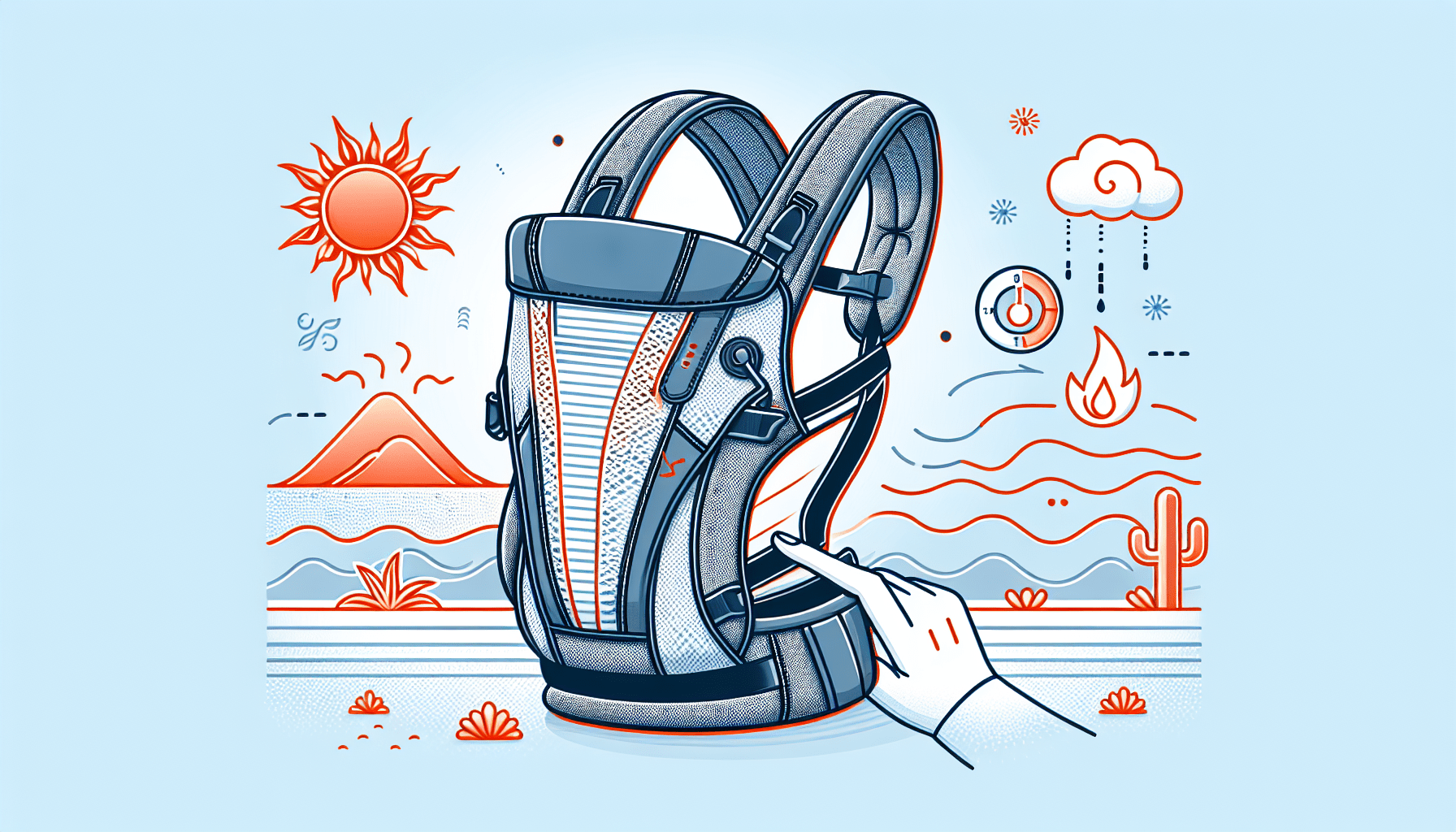
Are you a parent or caregiver looking for the perfect baby carrier to keep your little one cool and comfortable in hot weather? With so many options available, it can be overwhelming to know which one will be the best fit for your needs. In this article, we will discuss some key factors to consider when choosing a baby carrier for hot weather, helping you make an informed decision to ensure your baby’s comfort and safety.
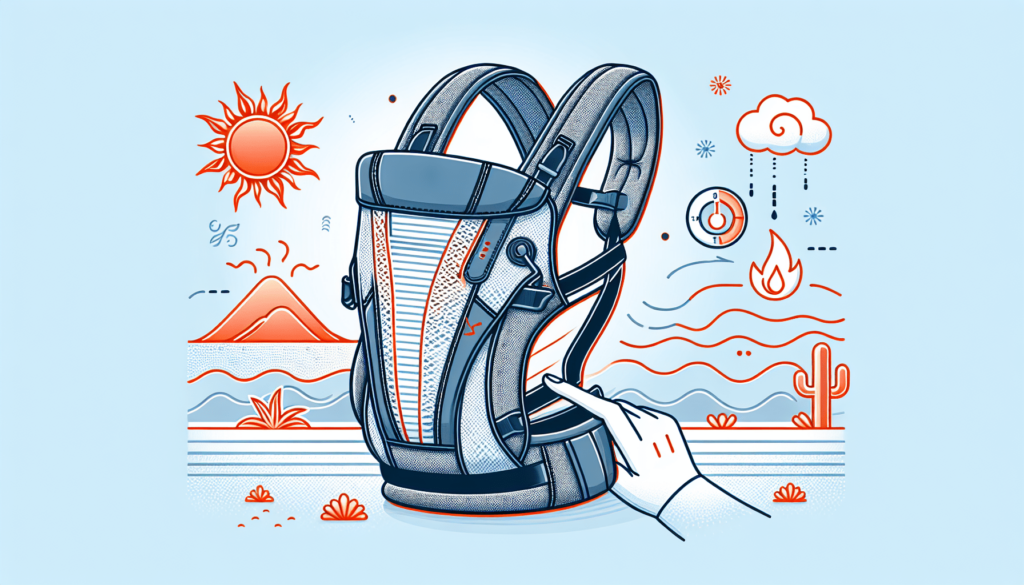
Consider the Fabric
When choosing a baby carrier for hot weather, it is important to consider the fabric. The fabric plays a crucial role in providing comfort and breathability for both you and your baby.
Breathable Fabrics
Opt for carriers made from breathable fabrics such as cotton or linen. These natural fibers allow for air to flow through, preventing overheating and keeping both you and your baby cool and comfortable. These fabrics are lightweight and gentle on the skin, making them ideal for hot weather conditions.
Moisture-Wicking Fabrics
Another important feature to look for in a baby carrier for hot weather is moisture-wicking fabric. These fabrics are designed to absorb and evaporate moisture quickly, keeping both you and your baby dry and comfortable. Moisture-wicking fabrics help to prevent sweat build-up, reducing the chances of developing rashes or discomfort.
UV Protection
If you plan on spending time outdoors in the sun with your baby, it is crucial to choose a carrier that offers UV protection. Look for carriers that have a UPF rating, which indicates the level of protection against harmful UV rays. This additional feature will ensure that your baby’s delicate skin is shielded from the sun’s harmful rays while you enjoy outdoor activities together.
Check for Ventilation
Proper ventilation is essential in a baby carrier to keep both you and your baby cool in hot weather conditions. Look for carriers that offer ventilation features to promote airflow.
Mesh Panels
One of the key features to consider when choosing a baby carrier for hot weather is the presence of mesh panels. These panels allow for increased airflow, ensuring that both you and your little one remain cool and comfortable. Mesh panels also help to reduce heat build-up and sweating, making them a great choice for hot and humid climates.
Multiple Carrying Positions
Another aspect to consider when looking for a baby carrier for hot weather is the availability of multiple carrying positions. Carriers with adjustable straps and buckles allow you to switch between carrying positions, enabling better airflow and heat dissipation. Different carrying positions also distribute your baby’s weight evenly, reducing strain on your shoulders and back.
Consider the Carrying Positions
The carrying positions offered by a baby carrier play a significant role in your comfort and the baby’s safety and support. Consider the different carrying positions available to find the most comfortable and practical option for you and your baby.
Front Carrying
Front carrying is one of the most common and popular carrying positions, especially for newborns and younger babies. This position allows you to have close contact with your baby, providing a sense of security for both of you. It also allows you to monitor your baby’s breathing and easily tend to their needs. Look for carriers that offer ergonomic positioning for front carrying to ensure optimal comfort and support.
Back Carrying
As your baby grows older and gains more head and neck control, back carrying becomes a suitable option. This position allows for better weight distribution and frees up your hands, making it easier to carry out activities while keeping your baby close. Look for carriers with proper back support and a secure fastening system to ensure your baby’s safety and your comfort.
Hip Carrying
Hip carrying is a versatile carrying position that allows your baby to have a side view and engage with their surroundings. This position is ideal for older babies who have good head and neck control. Look for carriers with adjustable hip belts and padded hip seats to provide optimal comfort and support for this carrying position.
Evaluate the Support and Comfort
When choosing a baby carrier, it is essential to prioritize support and comfort for both you and your baby. Look for features that provide adequate support and ensure the carrier is comfortable to wear for extended periods of time.
Padded Shoulder Straps
Choose a carrier with padded shoulder straps to distribute the weight of your baby evenly and prevent discomfort or strain on your shoulders. Padded shoulder straps help to reduce pressure points and make wearing the carrier more comfortable, especially for longer periods.
Wide Waistband
A wide waistband is essential for proper support and weight distribution. Look for carriers with a wide and adjustable waistband that sits comfortably on your hips. A well-fitted waistband will help alleviate strain on your back and ensure that the weight of your baby is evenly distributed.
Adjustable Straps
Having adjustable straps is crucial in a baby carrier as it allows you to customize the fit according to your body shape and size. Adjustable straps ensure that the carrier is secure and snug, providing optimal support and comfort for both you and your baby. Look for carriers with multiple points of adjustment to ensure a proper fit.
Cushioned Head and Neck Support
For newborns and younger babies, it is important to choose a carrier that offers cushioned head and neck support. This feature keeps your baby’s delicate neck and head properly aligned and supported, ensuring their safety and comfort. Look for carriers with adjustable or removable head and neck support that can be adjusted as your baby grows.
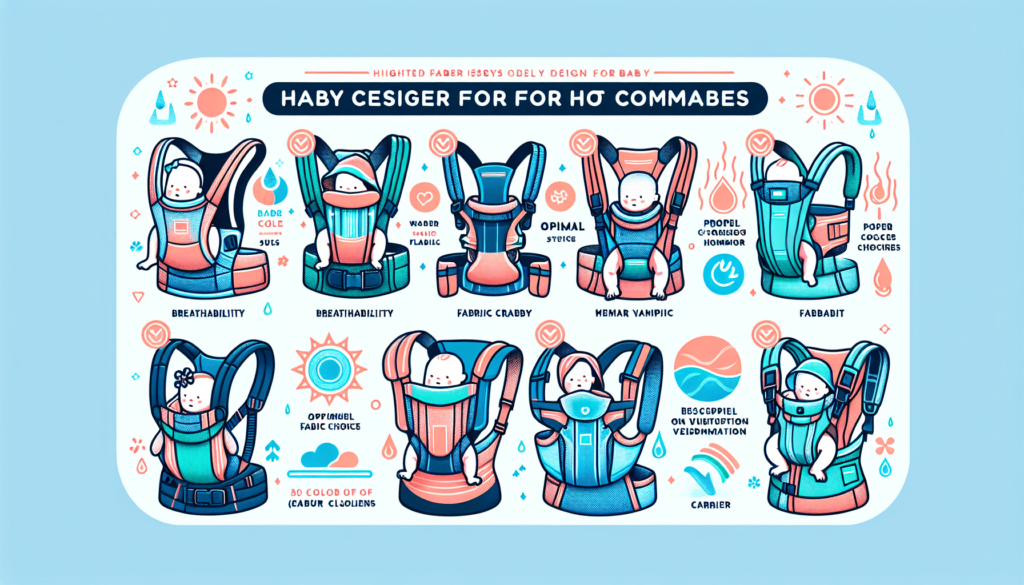
Consider the Size and Weight Limit
When choosing a baby carrier, it is important to consider the appropriate size and weight limit that suits your needs and your baby’s growth.
Choose the Right Size
Baby carriers come in different sizes, so it is essential to choose one that fits your body comfortably. Opt for carriers that offer adjustable sizing options to accommodate different body types and sizes. Ensure that the carrier provides a snug and secure fit without being too tight or restrictive.
Check Weight Limit
Every baby carrier has a weight limit that indicates the maximum weight it can support. Check the weight limit of the carrier you are considering to ensure that it can safely accommodate your baby’s current weight and anticipated growth. Choosing a carrier with a higher weight limit can provide you with more longevity and flexibility as your baby grows.
Look for Easy Maintenance
With a baby, easy maintenance is always a plus. Look for carriers that are easy to clean and quick to dry, saving you time and effort in caring for your carrier.
Machine-Washable
Choose a carrier that is machine-washable for convenient and easy cleaning. Being able to toss your carrier in the washing machine makes it simple to keep it fresh and clean, especially when dealing with inevitable spills or accidents.
Quick-Drying
Opt for a carrier that is quick-drying to ensure that it is ready to use again in no time. Quick-drying fabric allows you to wash and dry your carrier efficiently, making it more convenient and practical for everyday use.
Consider Safety Features
Safety should be a top priority when choosing a baby carrier. Look for carriers with features that ensure the safety and security of your baby.
Secure Buckles and Straps
Check that the carrier has secure buckles and straps that are durable and reliable. Ensure that the buckles are easy to fasten and unfasten, providing a secure and snug fit. Look for carriers with double or triple safety mechanisms to prevent any accidental opening.
Safety Certifications
Look for carriers that have undergone safety testing and have relevant certifications to guarantee their safety and compliance with industry standards. Carriers that meet safety standards will have clear labeling or certifications indicating their compliance, giving you peace of mind that you are choosing a safe option for your baby.
Check for Parent Comfort
Remember, the comfort of the person wearing the carrier is just as important as the comfort of the baby. Look for carriers that prioritize ergonomic design and provide additional comfort features for the parent.
Ergonomic Design
Choose a carrier that offers an ergonomic design that supports your natural posture. Ergonomic carriers ensure that the baby’s weight is evenly distributed, reducing strain on your back, neck, and shoulders. Look for carriers with well-padded and contoured shoulder straps and waistbands that provide optimal comfort and support.
Lumbar Support
Back support is crucial for your comfort when wearing a baby carrier. Look for carriers that offer lumbar support to alleviate strain on your lower back. Lumbar support helps to maintain proper posture and prevents discomfort, allowing you to wear the carrier for extended periods without discomfort or pain.
Consider the Baby’s Age and Developmental Stage
The age and developmental stage of your baby will impact the type of carrier that is most suitable. Consider the following options based on your baby’s age and needs.
Newborn-Friendly Carriers
For newborns, it is important to choose carriers that provide proper head and neck support. Look for carriers that offer an infant insert or have adjustable features to accommodate the needs of a newborn. These carriers usually provide a cozy and secure environment for your little one, replicating the feeling of being in the womb.
Structured Carriers for Older Babies
As your baby grows older and gains more head and neck control, structured carriers become a suitable option. Structured carriers provide more support for older babies and toddlers, allowing for different carrying positions such as on the front, back, or hip. Look for carriers with adjustable features to accommodate your growing baby and provide optimal comfort and support.
Read Reviews and Recommendations
Before making a final decision, it is always beneficial to read reviews and seek recommendations from other parents or professionals.
Online Reviews
Take the time to read online reviews from other parents who have used the carriers you are considering. Their firsthand experiences and feedback can give you valuable insights and help you make an informed decision.
Ask Other Parents
Reach out to other parents in your social circle or parenting groups and ask for their recommendations. Parent-to-parent recommendations can be incredibly helpful in finding the best baby carrier for hot weather.
Seek Professional Advice
If you are unsure about which baby carrier to choose or have specific concerns, consider seeking advice from professionals such as pediatricians or babywearing consultants. They can provide expert guidance and answer any questions you may have, ensuring that you choose the right carrier for your baby.
By considering the fabric, ventilation, carrying positions, support and comfort, size and weight limit, easy maintenance, safety features, parent comfort, baby’s age and developmental stage, and reading reviews and recommendations, you can confidently choose the right baby carrier for hot weather. Prioritize both you and your baby’s comfort and safety, and enjoy the bonding experience of babywearing in any weather condition.
