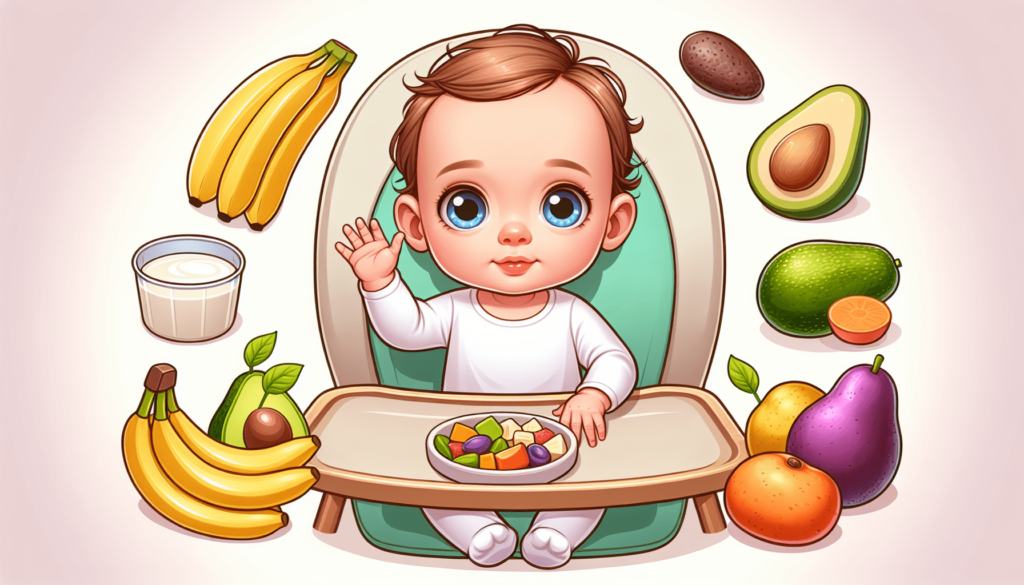
Are you a new parent wondering when the right time is to start introducing solid foods to your baby? This is a common question that many parents have, and it’s an important step in your little one’s development. In this article, we will explore the factors to consider when deciding when to introduce solids and provide expert advice to help guide you through this exciting milestone. Get ready to embark on this journey of introducing your baby to a whole new world of flavors and textures!

Signs of readiness for solid foods
Physical signs
Physical signs that indicate your baby may be ready for solid foods include:
- Good head and neck control: Your baby should be able to hold their head up steadily and sit upright with support.
- Ability to sit with minimal support: Your baby should be able to sit in a high chair or feeding seat without slumping over.
- Loss of tongue-thrust reflex: Your baby should no longer push food out of their mouth with their tongue automatically.
- Increased appetite: If your baby seems hungry even after breastfeeding or formula feeding, it may be a sign that they’re ready for solid foods.
- Watching you eat: If your baby seems interested in watching you eat and reaches for your food, it may be a sign that they’re curious about solid foods.
Developmental signs
Developmental signs that indicate your baby may be ready for solid foods include:
- Fine motor skills: Your baby should be able to pick up objects using their fingers and bring them to their mouth.
- Eye-hand coordination: Your baby should be able to grab and hold onto objects, such as a spoon or a piece of food, and bring it to their mouth.
- Chewing motions: Your baby may start to make chewing motions with their mouth even if they don’t have teeth yet.
- Interest in self-feeding: Your baby may show interest in holding a spoon or trying to grab food from your plate.
Interest in food
One of the most telling signs that your baby is ready for solid foods is their interest in food. They may watch you eat with curiosity, reach for your food, or even open their mouth when you offer them a small taste of food. This curiosity and willingness to try new flavors and textures is a good indicator that they are ready for solid foods.
Age-appropriate introduction of solid foods
Exclusive breastfeeding for the first 6 months
The American Academy of Pediatrics recommends exclusive breastfeeding for the first six months of your baby’s life. Breast milk provides all the necessary nutrients and antibodies to support your baby’s growth and development during this time. It is important to establish a good breastfeeding routine before introducing solid foods.
Introducing solid foods at around 6 months
Around six months of age, you can start introducing solid foods to complement your baby’s breast milk or formula. By this age, their digestive system is more mature and can handle the introduction of new foods. Offering a variety of foods can help expose your baby to different flavors and textures, promoting healthy eating habits later on.
Avoiding solid foods before 4 months
It is generally recommended to avoid introducing solid foods before four months of age. Before this time, your baby’s digestive system may not be fully developed, and introducing solid foods too early can increase the risk of food allergies and digestive issues. It is best to wait until your baby shows signs of readiness before starting solid foods.
Key nutrients for baby’s growth
Iron
Iron is essential for your baby’s growth and development, particularly for brain development and the production of red blood cells. Breast milk or iron-fortified formula can provide sufficient iron until around six months of age. After that, introducing iron-rich foods like fortified cereals, pureed meats, and legumes is important.
Protein
Protein is crucial for your baby’s growth, as it supports the development of muscles, tissues, and organs. Breast milk or formula provides sufficient protein in the first year of life. As you introduce solid foods, you can offer protein-rich foods such as pureed meats, poultry, fish, tofu, and yogurt.
Vitamin C
Vitamin C plays a vital role in your baby’s immune system and aids in the absorption of iron. Fruits and vegetables, such as oranges, strawberries, kiwi, bell peppers, and broccoli, are excellent sources of vitamin C. You can introduce these foods to your baby as they begin their solid food journey.
Vitamin D
Vitamin D is essential for your baby’s bone development and calcium absorption. Breast milk or formula generally provides sufficient vitamin D for the first year of life. If you have concerns about your baby’s vitamin D levels, consult with your healthcare professional for appropriate supplementation.
Calcium
Calcium is important for your baby’s bone and teeth development. Breast milk or formula provides sufficient calcium in the first year. As you introduce solid foods, you can offer calcium-rich foods like dairy products, fortified plant-based milk alternatives, and leafy green vegetables.
Zinc
Zinc supports your baby’s immune system, growth, and development. Breast milk or formula generally provides sufficient zinc for the first six months. Introducing zinc-rich solid foods like meat, fish, whole grains, legumes, and fortified cereals can help meet your baby’s zinc needs.
Omega-3 fatty acids
Omega-3 fatty acids are beneficial for your baby’s brain and eye development. Breast milk or formula provides some omega-3 fatty acids, but you can also introduce foods like fish (avoiding high-mercury varieties), chia seeds, flaxseeds, and fortified eggs to ensure a well-rounded diet.
Choosing the right first foods
Single-grain cereals
Single-grain cereals, such as rice or oatmeal cereals, are often the first solid foods introduced to babies. They are easily digested and can be mixed with breast milk, formula, or water to create a smooth, runny consistency. Start with a small amount and gradually increase the quantity as your baby gets used to the texture.
Pureed fruits and vegetables
Pureed fruits and vegetables are a great way to introduce a variety of flavors and nutrients to your baby. Choose soft, ripe fruits like bananas, avocados, and pears, and steam or boil vegetables like sweet potatoes, carrots, and peas until they are soft enough to be easily mashed or pureed.
Soft cooked fruits and vegetables
As your baby becomes more comfortable with different textures, you can offer soft cooked fruits and vegetables. These can be cut into small, bite-sized pieces or mashed with a fork. Examples include cooked apple slices, mashed banana, and steamed broccoli florets.
Protein-rich foods
Once your baby has started to tolerate a variety of flavors and textures, you can introduce protein-rich foods. Pureed meats, poultry, fish, tofu, and well-cooked lentils or beans can be offered in small quantities. Make sure they are finely diced or mashed to avoid any choking hazards.
Textures and consistency
As your baby progresses in their solid food journey, it’s important to gradually introduce thicker textures and varied consistencies. This can help them develop their chewing and swallowing skills. You can offer soft finger foods, well-cooked pasta, and mashed foods with small lumps to encourage oral motor development.

Baby-led weaning approach
What is baby-led weaning?
Baby-led weaning is an approach to introducing solid foods that encourages self-feeding and allows babies to explore different foods at their own pace. Instead of purees, babies are given appropriately sized pieces of food that they can hold, pick up, and put in their mouth themselves.
Suitable age for baby-led weaning
Baby-led weaning is typically introduced around six months of age when babies are developmentally ready to sit up independently and grasp objects with their hands. They should also have good hand-eye coordination and be able to bring food to their mouth.
Benefits and risks
The benefits of baby-led weaning include promoting self-regulation of appetite, developing fine motor skills, and allowing babies to explore a wide range of flavors and textures. However, it’s important to be aware of the risks associated with choking. Always supervise your baby during mealtimes and ensure that the food offered is appropriate in size and texture.
Implementing baby-led weaning
To implement baby-led weaning, offer a variety of nutritious finger foods in appropriate sizes and textures. Encourage your baby to self-feed and explore the different flavors and textures. Gradually increase the complexity of the foods offered and be responsive to your baby’s cues and preferences.
Signs of food allergies or intolerances
Common food allergens
Common food allergens that may cause allergic reactions include cow’s milk, eggs, peanuts, tree nuts, soy, wheat, fish, and shellfish. It is important to introduce these potential allergenic foods one at a time, in small quantities, and monitor your baby for any adverse reactions.
Signs of an allergic reaction
Signs of an allergic reaction may include hives, swelling, difficulty breathing, vomiting, diarrhea, or fussiness. If you suspect your baby may be experiencing an allergic reaction, seek medical attention immediately.
Intolerance symptoms
Food intolerance symptoms are usually milder and may include digestive issues such as gas, bloating, diarrhea, or discomfort. If you notice any persistent or concerning symptoms after introducing a new food, consult with your healthcare professional.
When to consult a healthcare professional
If you have any concerns about your baby’s reactions to certain foods or if there is a family history of food allergies, it’s important to consult with a healthcare professional. They can provide guidance on introducing allergenic foods and may recommend allergy testing if necessary.

Gradual introduction of new foods
Introducing one new food at a time
When introducing new foods to your baby, it’s best to introduce one new food at a time and wait for a few days before introducing another. This allows you to monitor your baby for any adverse reactions or allergies to specific foods.
Observing for any adverse reactions
After introducing a new food, observe your baby for any signs of allergic reactions or digestive issues. If your baby shows any symptoms such as rash, difficulty breathing, vomiting, or persistent diarrhea, consult with your healthcare professional.
Building a diverse diet
As your baby grows and becomes accustomed to different foods, it’s important to offer a diverse range of food choices. This helps expose them to a variety of flavors, textures, and nutrients, promoting a healthy and well-rounded diet.
Transitioning from purees to more textured foods
When to introduce thicker textures
As your baby becomes more comfortable with eating purees, you can gradually introduce thicker textures. This can be done by mashing or finely chopping food instead of pureeing it. You can also offer soft finger foods or foods with small lumps to encourage chewing.
Introducing finger foods
Finger foods play an important role in developing your baby’s self-feeding skills and promoting independence. Offer soft, age-appropriate finger foods that are easy to grasp, such as small pieces of cooked vegetables, fruits, or thinly sliced meats.
Encouraging self-feeding
Encouraging self-feeding helps your baby develop their hand-eye coordination, fine motor skills, and independence. Allow them to explore different textures and flavors by offering a variety of finger foods and utensils they can grasp and manipulate.

Feeding schedule and portion sizes
Building a consistent feeding schedule
Establishing a consistent feeding schedule can help your baby develop healthy eating habits. Offer meals and snacks at regular intervals throughout the day, with three main meals and two to three snacks depending on your baby’s appetite and age.
Guidelines on portion sizes
Portion sizes for babies will vary depending on their age, appetite, and individual needs. As a general guideline, start with small amounts and gradually increase portion sizes as your baby shows signs of hunger and acceptance of solid foods. Trust your baby’s cues and let them decide when they’re full.
Responding to baby’s hunger and fullness cues
Babies have their own unique hunger and fullness cues. Watch for signs that your baby is hungry, such as increased alertness, lip smacking, or reaching for food. Similarly, watch for cues that indicate your baby is full, such as turning their head away, closing their mouth, or losing interest in food. Respect these cues and avoid forcing your baby to eat when they are not hungry.
Additional tips and considerations
Enlisting the support of a healthcare professional
It is always a good idea to consult with a healthcare professional, such as a pediatrician or registered dietitian, when introducing solid foods to your baby. They can provide guidance, answer any questions or concerns you may have, and ensure that your baby’s nutritional needs are being met.
Being patient and flexible
Introducing solid foods is a new experience for both you and your baby. It may take time for them to adjust to new flavors and textures, and it is normal for them to show preferences for certain foods. Be patient and flexible, and offer a variety of foods to encourage a balanced diet.
Offering a variety of flavors and textures
To help develop your baby’s palate and prevent picky eating, offer a variety of flavors and textures. Introduce different fruits, vegetables, grains, and protein sources to expose your baby to a wide range of tastes and textures. This can help them develop a lifelong enjoyment of diverse, nutritious foods.
By following these guidelines and observing your baby’s cues, you can confidently introduce solid foods at the appropriate age, provide key nutrients for their growth, and encourage healthy eating habits. Remember to prioritize their safety, consult with healthcare professionals when needed, and enjoy this exciting milestone in your baby’s journey of nourishment and exploration.