So you’ve got a little one and you’re wondering when it’s time to start introducing a baby toothbrush into their daily routine. Well, the answer might surprise you! Dental hygiene is just as important for babies as it is for adults, and starting early can set them on the path to a lifetime of healthy teeth and gums. In this article, we’ll explore the ideal time to introduce a baby toothbrush and provide you with some helpful tips on how to make brushing a fun and enjoyable experience for your little bundle of joy.
When to start using a baby toothbrush?
Ideal age to start using a baby toothbrush
The ideal age to start using a baby toothbrush is when your little one’s first tooth emerges, which typically happens between the ages of six and ten months. It’s important to introduce a toothbrush as soon as the first tooth comes in, as this will help establish good oral hygiene habits from an early age.
Signs that your baby is ready for a toothbrush
Aside from the emergence of the first tooth, there are other signs that indicate your baby is ready for a toothbrush. These signs include increased drooling, gum sensitivity, and a tendency to put objects in their mouth. If you notice these signs, it is a good indication that your baby is ready to start using a toothbrush and begin their oral care routine.
Choosing the right baby toothbrush
Types of baby toothbrushes available
There are several types of baby toothbrushes available on the market today. The most common types include:
-
Finger toothbrushes: These small, flexible toothbrushes fit over your finger and are perfect for gently massaging your baby’s gums and cleaning their teeth.
-
Traditional toothbrushes: These toothbrushes resemble adult toothbrushes, but are smaller and designed specifically for infants and toddlers. They typically have soft bristles to avoid harming the delicate gums and teeth.
Considerations when choosing a baby toothbrush
When choosing a baby toothbrush, there are a few important considerations to keep in mind. Look for toothbrushes with soft bristles to ensure gentle cleaning, as your baby’s gums and teeth are still developing. Additionally, choose a toothbrush with a small head that will comfortably fit inside your baby’s mouth. Finally, opt for toothbrushes with easy-to-grip handles to make it easier for you to brush your baby’s teeth.

Establishing a brushing routine
Importance of a brushing routine
Establishing a brushing routine is essential for your baby’s oral health. Regular brushing helps remove plaque and prevent tooth decay, ensuring that your little one’s teeth and gums stay healthy. Starting a brushing routine early on also helps your baby become accustomed to this important habit, laying the foundation for good oral hygiene practices later in life.
How often should you brush your baby’s teeth?
It is recommended to brush your baby’s teeth at least twice a day: once in the morning and once before bed. This regular brushing routine helps maintain optimal oral health and prevent the buildup of harmful bacteria and plaque. Remember, consistency is key when it comes to establishing a brushing routine for your baby.
Tips for establishing a brushing routine
Here are some tips to help you establish a successful brushing routine for your baby:
-
Start early: Begin brushing your baby’s teeth as soon as the first tooth emerges, even if it’s just one tooth. This will help your baby get used to the routine early on.
-
Make it a positive experience: Turn brushing into a fun and positive activity by using entertaining toothbrushes or singing songs while brushing. This will help create a positive association with oral care.
-
Lead by example: Let your baby see you brushing your own teeth. Babies often love mimicking their parents, so this can encourage them to participate and make brushing a shared experience.
Brushing techniques for babies
Proper technique for brushing baby teeth
When brushing your baby’s teeth, it’s important to use gentle, circular motions to effectively clean all surfaces of the teeth and gums. Angle the toothbrush towards the gums and brush both the front and back of the teeth. Pay special attention to the molars, as these teeth are more prone to cavities.
Tips for brushing a baby’s teeth
Here are some helpful tips to make brushing your baby’s teeth a breeze:
-
Use a small amount of water: For babies under the age of one, it is advisable to only use a small amount of water rather than toothpaste.
-
Be gentle: Use gentle pressure and avoid vigorous brushing, as your baby’s gums are still sensitive.
-
Make it interactive: Engage your baby by singing a song, playing a game, or using a toy as a distraction while you brush their teeth. This will help keep them entertained and make brushing more enjoyable for both of you.

Introducing toothpaste to your baby
When can toothpaste be introduced?
Toothpaste can be introduced to your baby’s oral care routine once they reach the age of one. At this stage, their swallowing reflex is more developed, reducing the risk of swallowing toothpaste. However, it is important to only use a small smear of toothpaste, no larger than a grain of rice, until your child is able to spit it out.
Types of toothpaste for babies
When choosing a toothpaste for your baby, opt for a fluoride-free toothpaste specially formulated for infants. This type of toothpaste is safe to swallow and does not contain any harsh ingredients that may harm your baby’s developing teeth and gums. Always read the labels and consult with your pediatric dentist for recommendations.
How much toothpaste to use
For babies under the age of three, a small smear of toothpaste, about the size of a grain of rice, is sufficient. As your child grows and becomes better at spitting out toothpaste, you can increase the amount to a small pea-sized dot. Remember, it’s important to monitor your child to ensure they are not swallowing excessive amounts of toothpaste.
Teething and tooth brushing
Dealing with teething discomfort
Teething can be a challenging time for both babies and parents. During this period, your baby’s gums can become sore and tender, making brushing their teeth a bit more difficult. To alleviate teething discomfort, consider gently massaging their gums with a clean finger or a cold, wet washcloth. This can help soothe their gums and make tooth brushing a more comfortable experience.
Adjusting brushing routine during teething
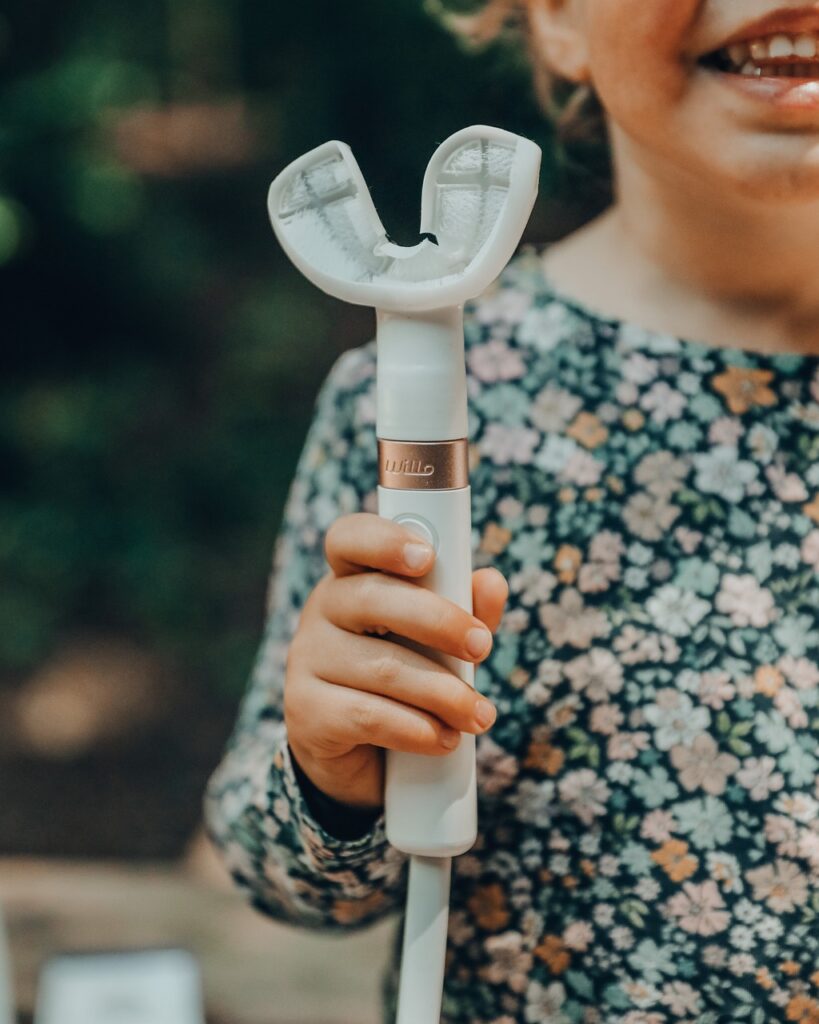
When your baby is teething, it’s important to continue brushing their teeth, even if they are experiencing discomfort. However, you may need to modify your approach. Opt for a softer toothbrush or even a silicone toothbrush during this time. If your baby becomes fussy or resistant to brushing, try to distract them with a toy or engage them in a fun activity to make brushing more enjoyable.
Common concerns about baby toothbrushes
Babies swallowing toothpaste
Many parents worry about their babies swallowing toothpaste, especially if they are using fluoridated toothpaste. However, when used in appropriate quantities, the amount of fluoride in toothpaste is safe if ingested. By using only a small smear or dot of toothpaste, you can minimize the risk of your baby swallowing excessive amounts.
Toothbrushing struggles
It’s not uncommon for babies to resist toothbrushing, especially as they go through different developmental phases. If your baby is struggling with toothbrushing, try making it a game or involving them in the process. Sing a song or play peek-a-boo while you brush their teeth to make it a more enjoyable experience. If the resistance persists, consult with your pediatric dentist for additional advice and support.
Toothbrush hygiene
Proper toothbrush hygiene is crucial for maintaining your baby’s oral health. After each use, rinse the toothbrush thoroughly with tap water and store it upright in a clean, dry place. Avoid covering the toothbrush or storing it in a closed container, as this can promote the growth of bacteria. Additionally, it is recommended to replace your baby’s toothbrush every three to four months or sooner if the bristles become frayed.
When to see a pediatric dentist
When to schedule the first dental visit
The American Academy of Pediatric Dentistry recommends scheduling your baby’s first dental visit within six months of their first tooth erupting, but no later than their first birthday. Early dental visits are important for early detection of any potential dental issues and for establishing a positive relationship with the dentist. Regular dental check-ups from an early age can help prevent dental problems and ensure your baby’s oral health is on track.
Importance of early dental check-ups
Early dental check-ups are beneficial for several reasons. They allow the dentist to monitor your baby’s oral development, identify and address any potential issues, and provide guidance on oral care practices. Regular dental visits also help your baby become familiar with the dental office environment, reducing potential anxiety in future visits.
Transitioning to a toddler toothbrush
When to switch to a toddler toothbrush
As your baby grows, their oral care needs change, and it becomes necessary to transition to a toddler toothbrush. Typically, this transition occurs between the ages of 18 months and two years, but it may vary depending on their individual development. Look for signs that your baby has outgrown their baby toothbrush, such as difficulty reaching all areas of their mouth or chewing on the toothbrush handle.
Tips for transitioning to a toddler toothbrush
To make the transition to a toddler toothbrush smoother, involve your child in the process of choosing their new toothbrush. Opt for a toothbrush with soft bristles and a small head that is suitable for their growing mouth. Allow your toddler to hold and explore their new toothbrush, and guide them as they begin brushing on their own. Remember to still supervise their brushing to ensure they are brushing properly.
Conclusion
Starting good oral care habits from an early age is crucial for your baby’s dental health. By introducing a baby toothbrush as soon as the first tooth emerges, choosing the right toothbrush, establishing a brushing routine, and using proper brushing techniques, you are setting the stage for a lifetime of good oral hygiene. Remember to gradually introduce toothpaste, address teething discomfort, address common concerns, schedule early dental visits, and smoothly transition to a toddler toothbrush. By prioritizing your baby’s oral health from the start, you are giving them a strong foundation for healthy teeth and gums throughout their life.