
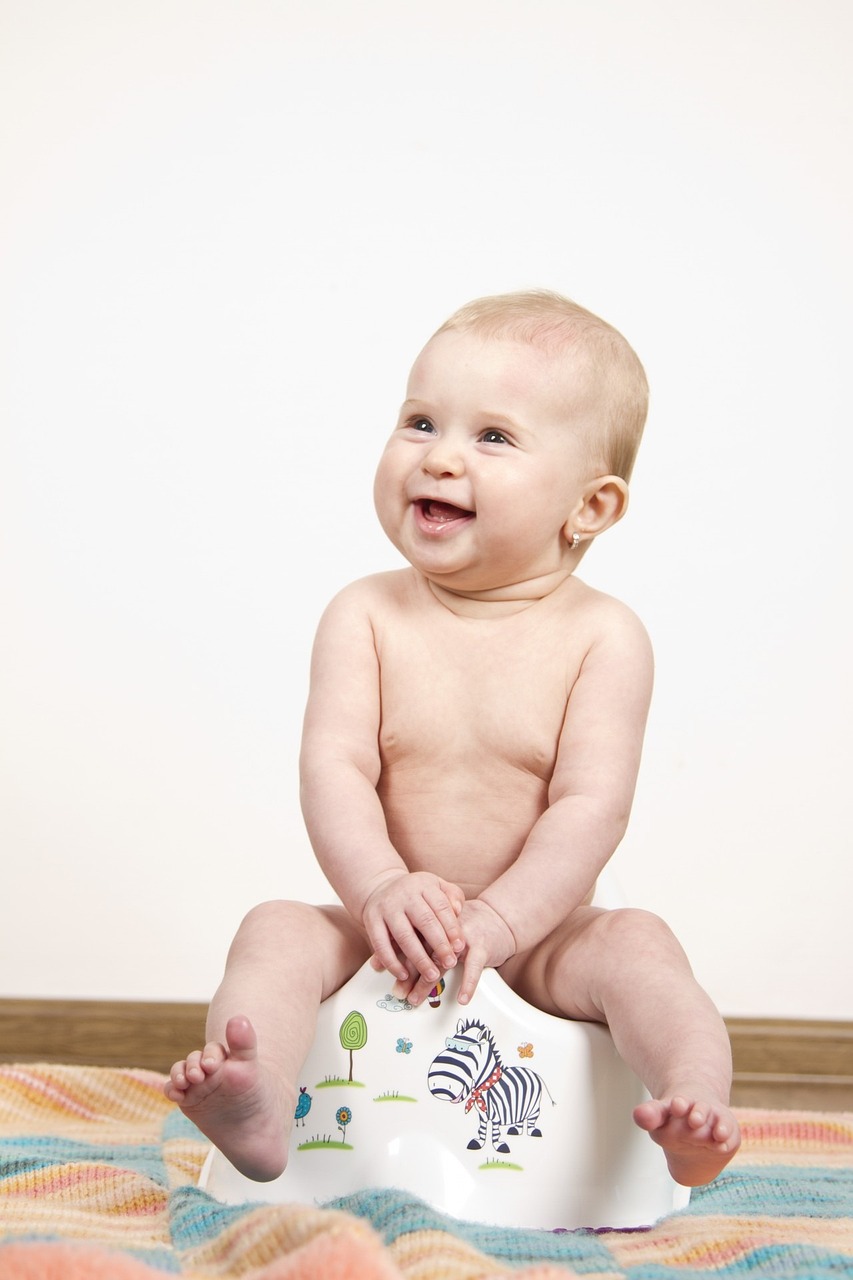
Are you a parent wondering if your little one is ready to start potty training? We’ve all been there, uncertain of when the right time is to make the transition. But fear not, for this article will provide you with the signs to look out for to determine if your baby is ready to embark on this milestone journey. Discover the subtle cues, physical readiness, and behavioral indicators that will help you gauge if the time is ripe for potty training. Get ready to say goodbye to diapers and hello to an exciting new chapter in your child’s development!
Physical readiness
Stable sitting
One of the signs that your child may be physically ready to start potty training is their ability to sit still for a period of time. Stable sitting is important because it allows the child to comfortably sit on the potty chair or toilet seat without any assistance. This shows that their core muscles are developed enough to support their body weight while sitting.
Controlled bowel movements
Another physical indicator of readiness is the ability to have controlled bowel movements. If your child consistently has bowel movements at predictable times and is able to hold or release them when needed, it may be a sign that they are physically ready for potty training. This indicates that their digestive system is maturing and they have developed some level of control over their bowels.
Ability to mimic actions
The ability to mimic actions is an important physical readiness skill for potty training. If your child shows an interest in imitating your actions, such as pulling their pants up and down or flushing the toilet, it indicates that they have the physical dexterity and coordination to eventually perform these tasks on their own. This skill can be developed through observation and play.
Interest in the bathroom
If your child shows an interest in the bathroom and what happens in there, it may be a sign that they are physically ready for potty training. They may ask questions about why you go to the bathroom, show curiosity about the toilet or potty chair, or want to accompany you to the bathroom. This interest demonstrates their awareness of the purpose of the bathroom and can be a motivating factor for starting the potty training journey.
Cognitive readiness
Understanding cause and effect
Cognitive readiness involves the ability to understand cause and effect relationships. When it comes to potty training, this means that your child should be able to comprehend that using the potty leads to the elimination of waste. They should understand that sitting on the toilet or potty chair and releasing urine or stool is a direct cause of their body getting rid of waste.
Following simple instructions
Being able to follow simple instructions is essential for successful potty training. Your child should be able to understand and carry out basic instructions related to using the potty. This includes tasks such as sitting down on the potty chair, waiting for a few minutes, and attempting to urinate or have a bowel movement. Their ability to follow these instructions demonstrates their cognitive readiness for potty training.
Awareness of bodily sensations
Cognitive readiness for potty training also involves the awareness of bodily sensations. Your child should be able to recognize when they are feeling the urge to urinate or have a bowel movement. This awareness allows them to connect the sensation with the need to use the potty. If your child can express or communicate their bodily sensations, it indicates cognitive readiness for potty training.
Emotional readiness
Expressing discomfort with soiled diapers
Expressing discomfort with soiled diapers is a clear emotional sign of readiness for potty training. If your child shows signs of being unhappy or uncomfortable when their diaper is soiled, it indicates that they are beginning to associate the feeling of having a wet or dirty diaper with discomfort. This emotional response can be a powerful motivator for them to want to use the potty instead.
Showing interest in using the potty
Another emotional indicator of readiness is when your child shows genuine interest in using the potty. They may express curiosity about the potty chair, ask questions about how it works, or express a desire to try it themselves. This curiosity and interest indicate that they are emotionally open to the idea of potty training and are willing to explore this new experience.
Displaying independence
Emotional readiness also involves the display of independence. Is your child becoming more independent in other areas of their life? Are they showing a desire to do things themselves, such as dressing or feeding themselves? This display of independence can translate into their readiness for potty training, as they may want to take charge of this aspect of their self-care routine.
Ability to communicate needs
Effective communication is crucial for successful potty training. Your child should be able to communicate their needs, whether it’s expressing the desire to use the potty or indicating that they need assistance. This can be done through words, gestures, or simple signals. If your child is able to effectively communicate their needs, it shows emotional readiness for potty training.
Behavioral readiness
Consistent bladder control for at least two hours
Behavioral readiness for potty training involves the ability to have consistent bladder control for at least two hours. Your child should be able to hold their urine for a reasonably extended period of time before needing to go. This indicates that their bladder muscles are developing and gaining strength, which is essential for successful potty training.
Dry diapers for longer periods
If your child consistently has dry diapers for longer periods of time, it may be a sign that they are ready for potty training. This means that they are able to urinate in larger amounts and hold their urine for longer periods, resulting in a decreased frequency of wet diapers. Dry diapers for longer periods indicate an increased bladder capacity and control.
Awareness of when they need to go
Behavioral readiness also involves your child’s awareness of their own bodily sensations and the ability to recognize when they need to go. They may start exhibiting signs such as squirming, holding or touching their diaper area, or expressing a need to use the potty. The awareness of these cues shows that they are becoming more attuned to their body’s signals and are ready to respond appropriately.
Distaste for soiling diapers
Another behavioral sign of readiness is when your child displays distaste or dislike for soiling their diapers. They may indicate their displeasure by verbalizing or showing facial expressions of disgust or discomfort. This distaste for soiled diapers can motivate them to want to use the potty instead and avoid the feeling of wetness or messiness.
Socio-environmental readiness
Ability to dress and undress independently
Socio-environmental readiness involves your child’s ability to dress and undress independently. If they can manage simple clothing items, such as pants or underwear, it indicates that they have the necessary fine motor skills and coordination to eventually manage clothing during potty training. Being able to dress and undress independently promotes their sense of autonomy and self-reliance.
Understanding bathroom routines
Understanding bathroom routines is an important aspect of socio-environmental readiness. Your child should be familiar with the concept of going to the bathroom, knowing that there is a specific place for toileting. They should have a basic understanding of what happens in the bathroom, such as sitting on the toilet or potty chair, using toilet paper, and washing hands. This understanding contributes to their preparedness for potty training.
Supportive and consistent caregivers
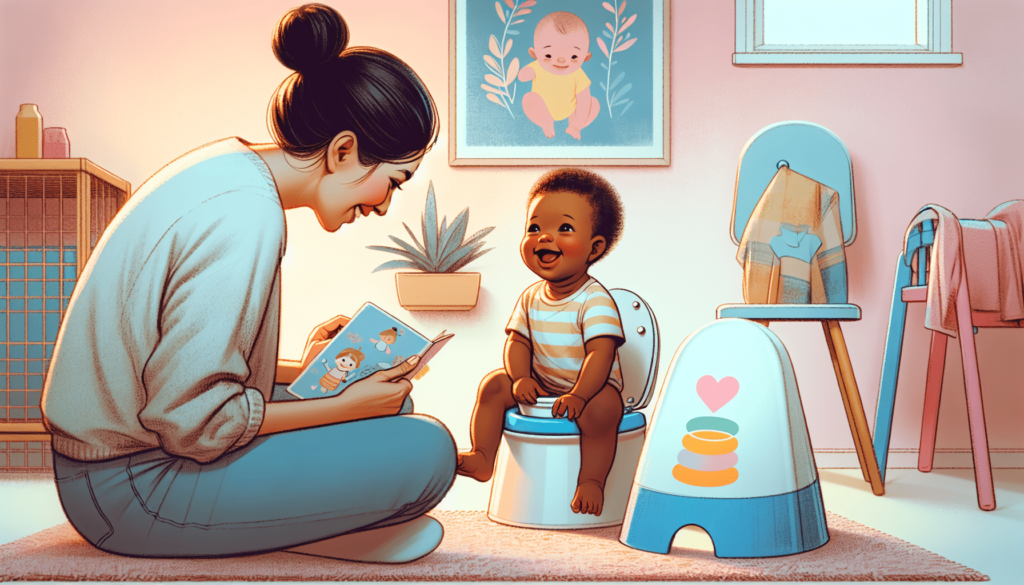
Having supportive and consistent caregivers is crucial for successful potty training. The caregivers, whether parents or other family members, should be ready and willing to provide the necessary guidance, encouragement, and consistency throughout the potty training process. Their role is essential in creating a positive and supportive environment that promotes learning and mastery of potty training skills.
Access to a suitable potty chair
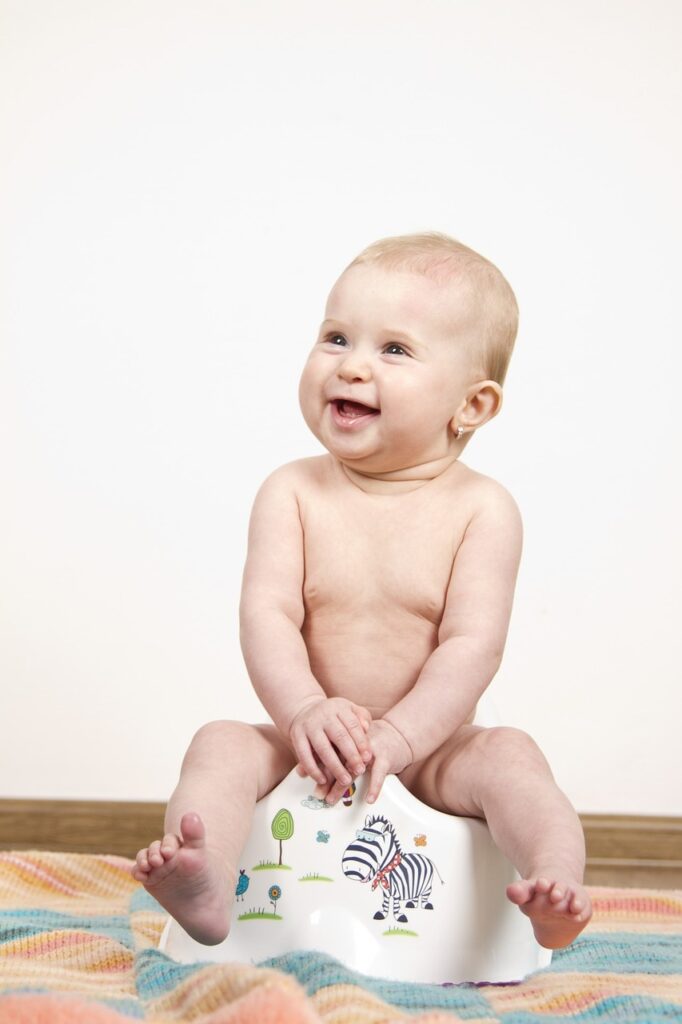
Providing your child with access to a suitable potty chair is an important aspect of socio-environmental readiness. The potty chair should be comfortable, child-sized, and easy to use. It should also be accessible to your child, whether it’s placed in the bathroom or in a central location at home. Having a designated potty chair creates a consistent and predictable environment for your child’s potty training journey.
Signs of readiness
Showing curiosity about the toilet or potty chair
One of the signs of readiness for potty training is when your child starts showing curiosity about the toilet or potty chair. They may ask questions about it, want to explore it, or imitate your actions related to using the toilet. This curiosity indicates that they are becoming aware of the purpose of the toilet and may be ready to start using it themselves.
Ability to pull pants up and down
The ability to pull pants up and down is a practical skill that demonstrates readiness for potty training. If your child can independently manage their clothing, especially when it comes to pulling pants up and down, it shows that they have the motor skills and coordination necessary for using the potty. This skill allows them to easily access the potty chair or toilet when needed.
Communicating the need to go
When your child begins to communicate their need to go, whether through words, gestures, or non-verbal cues, it is a strong indication of readiness for potty training. They may use specific words or phrases, point to the bathroom, or use other means of expressing their desire to use the potty. Effective communication allows for a smoother and more successful potty training experience.
Staying dry for longer periods
If your child is consistently staying dry for longer periods of time, such as during naps or overnight, it suggests readiness for potty training. This indicates that they have developed the ability to hold their urine for an extended period, demonstrating increased bladder control. Staying dry for longer periods is a positive sign of physical and behavioral readiness for potty training.

Common readiness indicators
Consistent bowel movements at predictable times
Consistent bowel movements at predictable times can be a strong indicator of readiness for potty training. If your child tends to have bowel movements at similar times each day, it demonstrates that their body is developing a regular pattern. This predictability can be helpful when establishing a potty routine and promoting successful bowel movements in the toilet or potty chair.
Waking up from naps with dry diapers
Another common indicator of readiness is when your child consistently wakes up from naps with dry diapers. This indicates that they are capable of holding their urine for an extended period of time, even while sleeping. Waking up with dry diapers suggests increased bladder control and the ability to have a successful naptime potty experience.
Demonstrating understanding of potty-related terms
If your child begins to understand and use potty-related terms, it suggests readiness for potty training. They may start using words like “pee,” “poop,” or “potty,” demonstrating an awareness of the vocabulary associated with toileting. Understanding and using these terms show their growing familiarity and comfort with the concept of using the toilet or potty chair.
Showing discomfort with soiled diapers
Exhibiting discomfort with soiled diapers is a common readiness indicator for potty training. Your child may express dislike or displeasure when their diaper is wet or soiled, showing that they are becoming more aware of their bodily sensations. This discomfort can serve as motivation for them to want to use the potty instead and avoid the feeling of wetness or messiness.
Physiological signs of readiness
Controlling bladder muscles
One of the physiological signs of readiness for potty training is the ability to control bladder muscles. Your child should be able to voluntarily hold their urine and release it when necessary. This requires the development and coordination of the muscles that control the flow of urine, which are essential for successful potty training.
Recognizing fullness or urge to go
Physiological readiness also involves your child’s ability to recognize the feeling of fullness or the urge to go. They should be able to identify when their bladder is filling up or when they need to have a bowel movement. This recognition relies on their ability to interpret the signals from their body and respond accordingly, which is crucial for successful potty training.
Improved bladder capacity
As your child’s bladder capacity improves, it becomes easier for them to hold larger amounts of urine for a longer period of time. This increased bladder capacity is a physiological sign of readiness for potty training. It allows them to go longer between trips to the bathroom and reduces the frequency of accidents, promoting a more successful and comfortable potty training experience.
Timing considerations
Avoiding major life changes
Timing is an important consideration when starting potty training. It is recommended to avoid major life changes, such as moving to a new house, starting a new school, or welcoming a new sibling, as these can disrupt the routine and increase stress for both you and your child. It is best to wait until there is a period of relative calm and stability in your child’s life before embarking on the potty training journey.
Waiting for a period of relative calm
Choosing a period of relative calm is important for successful potty training. This means selecting a time when there are minimal disruptions or distractions, allowing you and your child to focus on establishing a consistent potty routine. A calm and predictable environment helps create a positive and stress-free setting for learning and practicing new potty skills.
Observing signs of readiness over time
Rather than rushing into potty training, it is beneficial to observe your child’s signs of readiness over time. Pay attention to the indicators mentioned earlier, such as physical, cognitive, emotional, and behavioral readiness. Take note of any progress or changes in their readiness cues and use this information to inform your decision about when to start potty training.
Considering the child’s age
While age should not be the sole determining factor for potty training readiness, it is an important consideration. Most children show signs of readiness between the ages of 18 months and 3 years, although every child is unique and may be ready at different times. It is important to consider your child’s individual development and readiness cues rather than adhering strictly to a specific age range.
Patience and flexibility
Understanding that accidents happen
Potty training can be a messy process, and accidents are bound to happen. It is crucial to approach potty training with patience and understanding, recognizing that accidents are a normal part of the learning process. Avoid getting frustrated or punishing your child for accidents, as this can create negative associations with using the potty and hinder their progress. Instead, offer reassurance and support during accidents, emphasizing that it’s okay and encouraging them to try again next time.
Avoiding punishment or pressure
Punishment and pressure have no place in potty training. It is important to create a positive and supportive environment that encourages your child’s efforts and progress. Applying pressure or using punishment can cause anxiety, stress, and reluctance around potty training. Instead, focus on positive reinforcement, praise, and rewards to motivate and celebrate your child’s successes.
Recognizing individual differences
Each child is unique and may progress at their own pace in potty training. It is crucial to recognize and respect these individual differences. Avoid comparing your child’s progress to that of others or setting unrealistic expectations. Understand that every child develops differently and that readiness for potty training may vary. Embrace your child’s unique journey and provide the necessary support and guidance tailored to their specific needs.
Adjusting the training approach
Flexibility is key when it comes to potty training. Be prepared to adjust your training approach based on your child’s progress and needs. This may involve adapting the potty routine, changing reward systems, or trying different strategies based on what works best for your child. Remain open to experimentation and be willing to make adjustments as necessary to ensure a successful and positive potty training experience for both you and your child.
